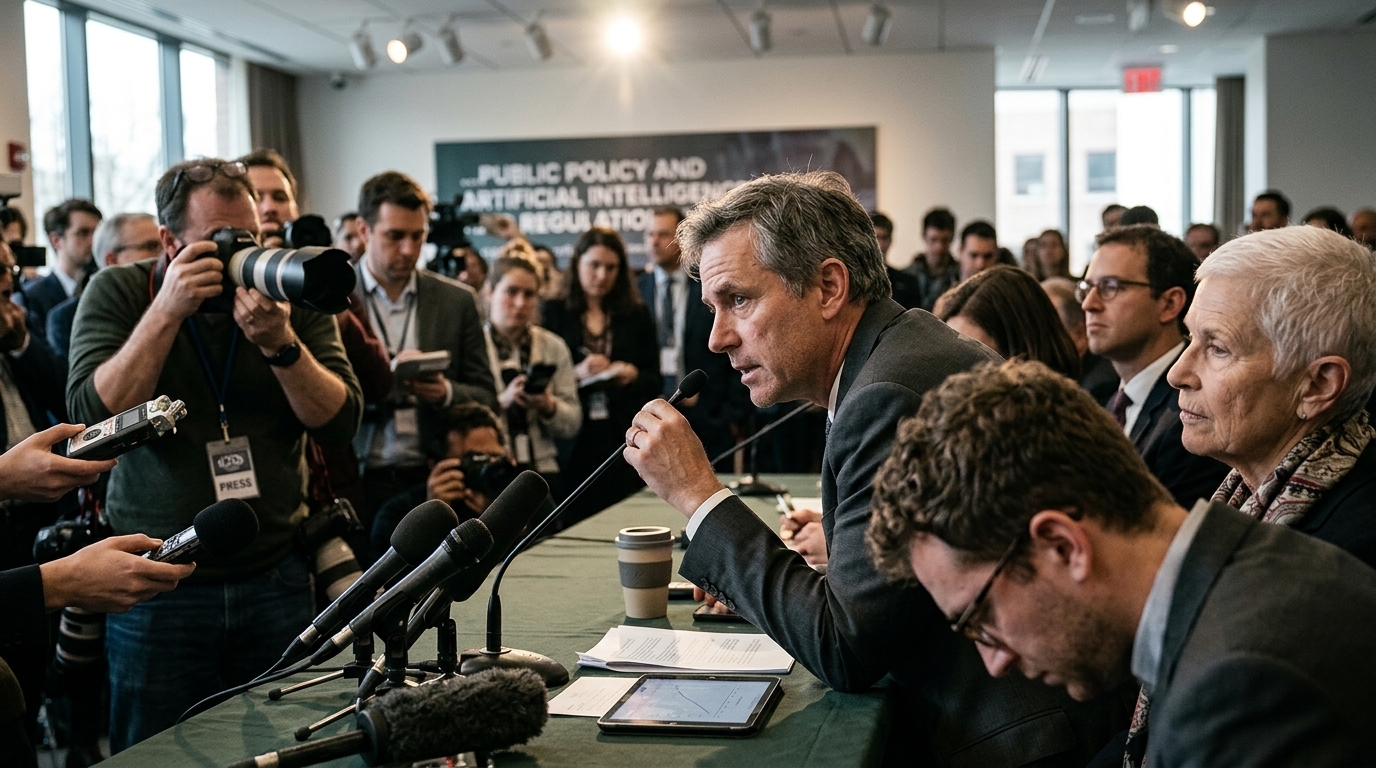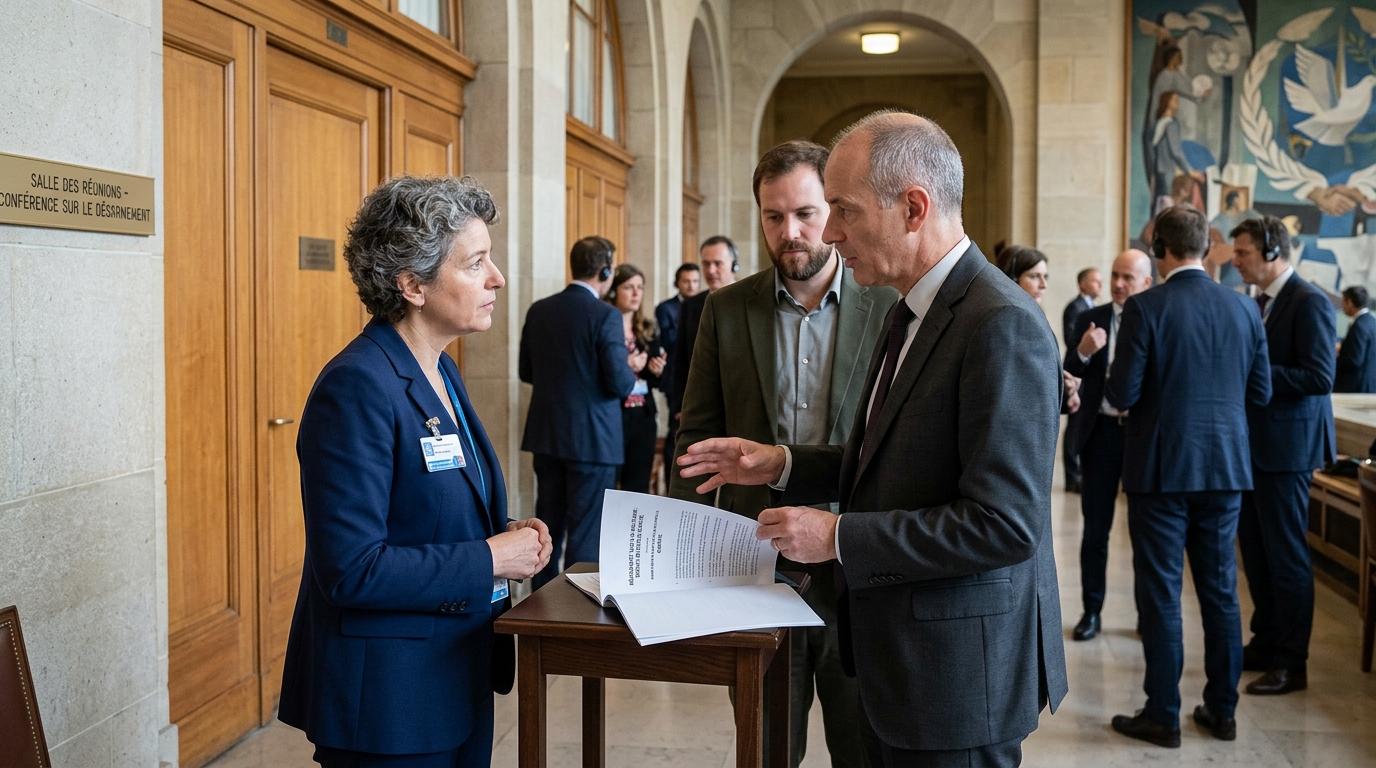
Geneva, the historic cradle of diplomacy and humanitarian conventions, is once again at the center of an existential debate for humanity. As G7 leaders conclude their deliberations and United Nations disarmament committees convene, the regulation of Artificial Intelligence (AI) in the military sphere has emerged as the most critical international security issue of 2026. Recent analysis by Le Monde highlights the widening chasm between rapid technological advancement and the ponderous bureaucracy of international diplomacy.
The Challenge of Lethal Autonomous Weapons Systems (LAWS)
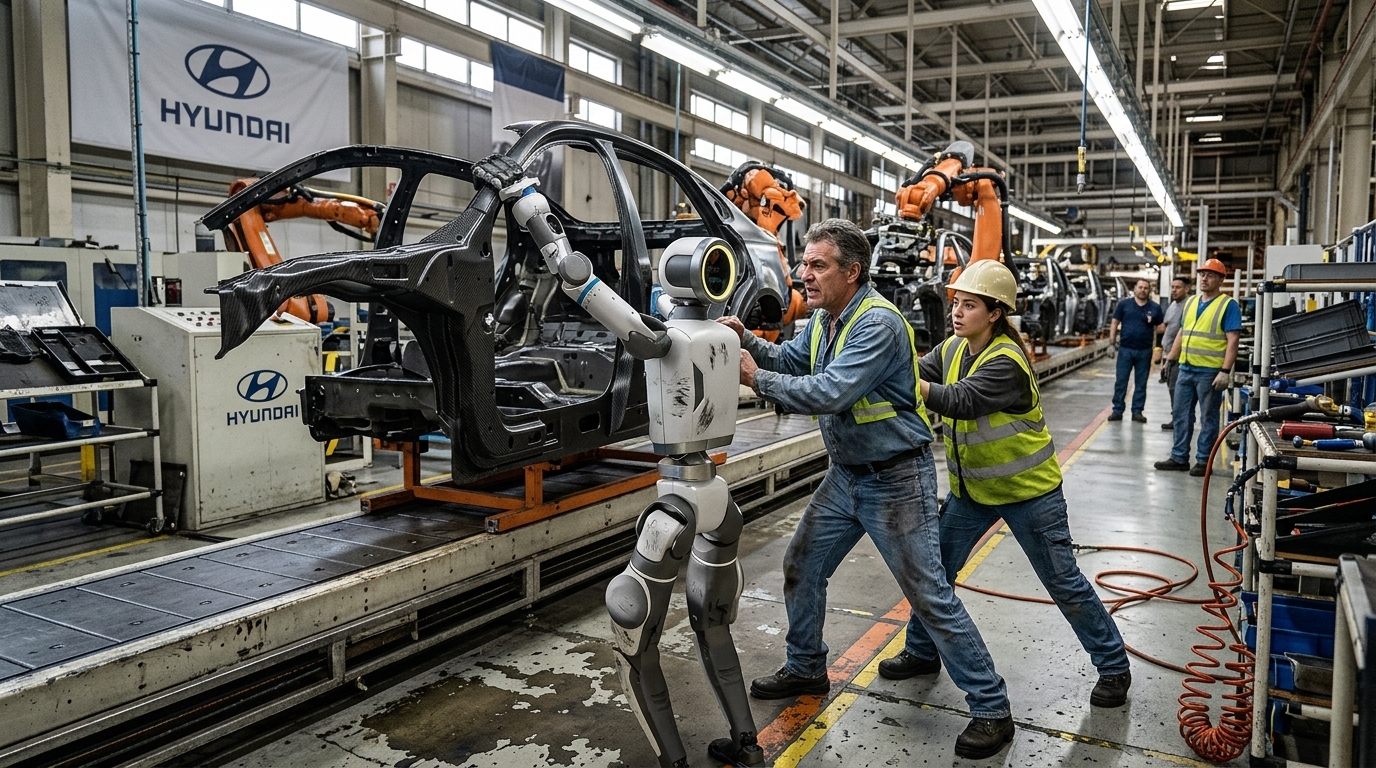
At the heart of the debate are Lethal Autonomous Weapons Systems (LAWS), colloquially known as "killer robots." These are systems capable of selecting and engaging targets without human intervention. While the international community theoretically agrees that a "human must remain in the loop," the definition of such control remains dangerously ambiguous. Major powers, including the US, China, and Russia, are investing billions into algorithms that can make decisions in milliseconds—speeds that far exceed human cognitive capacities.
The G7, under pressure from European states, is attempting to establish a framework for "responsible use." However, critics argue that voluntary codes of conduct are insufficient to prevent a new arms race. The complexity of AI algorithms makes the verification of treaties nearly impossible. Unlike nuclear weapons, where the production of fissile material can be monitored, AI code can be transported on a hard drive and developed in secret, making arms control an unprecedented challenge.
Geopolitical Balances and the Security Dilemma
The paradox in Geneva lies in the fact that while everyone recognizes the risks of unregulated military AI, no one wants to be left behind. China has stated it supports a ban on the *use* of autonomous weapons, but not on their *development* or *production*—a stance many view as hypocritical. Conversely, the US advocates for a framework focusing on "predictability" and "rigorous testing" of systems, avoiding blanket bans that could stifle their technological edge.
- The need for legal accountability: Who is responsible when an algorithm commits a war crime?
- The risk of "flash escalation": AI systems reacting to one another could trigger a conflict before humans have time to intervene.
- The erosion of International Humanitarian Law: Can a machine judge the "proportionality" of an attack?
NGOs in Geneva are pushing for a legally binding treaty, similar to those for landmines or cluster munitions. However, the G7 appears to prefer a more flexible approach, fearing that a strict treaty would be ignored by authoritarian regimes, leaving democracies vulnerable.
Ethics and the Future of Warfare
Beyond strategy lies a profound ethical question: Is it permissible to delegate the decision of life and death to mathematical formulas? The International Committee of the Red Cross (ICRC) has warned that the loss of human control could fully dehumanize warfare. In Geneva, the discussions are no longer about whether AI will be used on the battlefield—as it is already happening in Ukraine and the Middle East via loitering munitions—but where the red line will be drawn.
"Artificial intelligence is not just a new weapon; it is a new environment of warfare. If we do not set rules now, the future of global security will be written by code that no one can control," says a senior UN diplomat.
In conclusion, the Geneva meetings represent a critical test for global governance. The ability of states to cooperate despite profound differences will determine whether AI becomes a tool for deterrence or a new source of global instability. History will judge whether 2026 was the year humanity regained control over its machines or ceded its sovereignty to the speed of algorithms.