The history of humanity has been defined by technological revolutions that reshaped the social and political landscape. However, no previous shift—not the steam engine, nor electricity, nor the internet—possessed the velocity and autonomy of Artificial Intelligence (AI). Today, in June 2026, we stand at a critical crossroads where political leadership no longer has the luxury of waiting. The recent call for immediate intervention by politicians, as highlighted by the Daily Herald, is not merely a warning; it is a clarion call for the preservation of the democratic process itself.
The Threat to Democratic Integrity
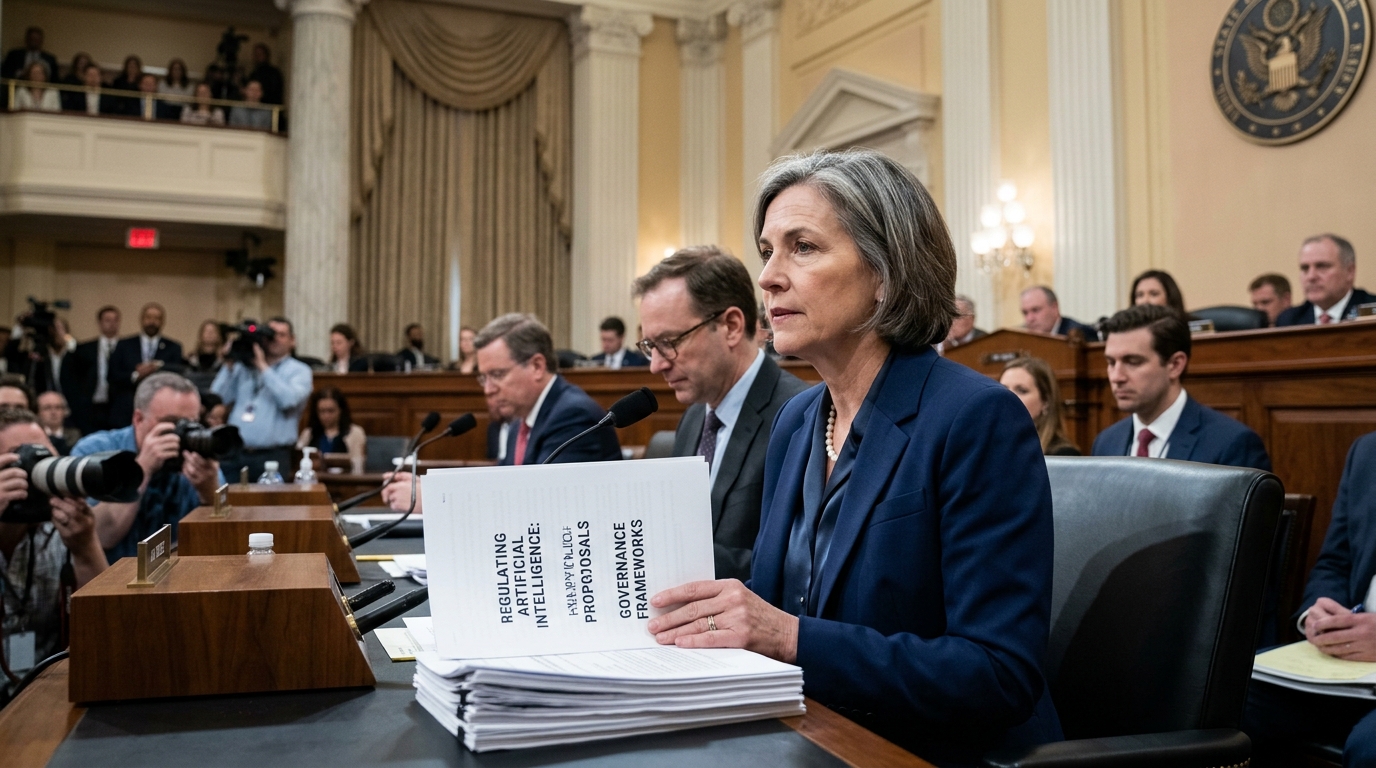
The most immediate front on which politicians must engage is that of misinformation. With the maturation of generative AI models, creating false but entirely convincing videos and audio (deepfakes) has become easier than ever. In a year marked by global elections, the potential for manipulating public opinion through artificially manufactured crises poses an existential threat. Legislators must establish strict frameworks for the labeling of AI-generated content and impose heavy sanctions on those who use technology to undermine public trust in institutions.
Furthermore, algorithmic bias remains a dark spot. When AI systems are used for decision-making in justice, hiring, or social welfare, there is a risk of reproducing and amplifying pre-existing social inequalities. Political intervention is essential to ensure the transparency of algorithms and the accountability of the companies that develop them. We cannot allow 'black boxes' of code to determine human lives without human oversight and ethical scrutiny.
The Economic Transition and the Social Contract
Beyond ethics and democracy, AI brings a sweeping change to the labor market. Automation no longer concerns only manual labor but extends to creative and administrative professions. Politicians must re-examine the social contract. Investments in workforce retraining are needed, and perhaps the discussion regarding Universal Basic Income (UBI) is no longer a utopian scenario but a necessity for maintaining social cohesion. Taxing the profits derived from AI automation could provide the funding for this transition.
- Establishment of global standards for AI safety and alignment.
- Protection of intellectual property against unregulated model training.
- Strengthening cybersecurity against AI-powered attacks.
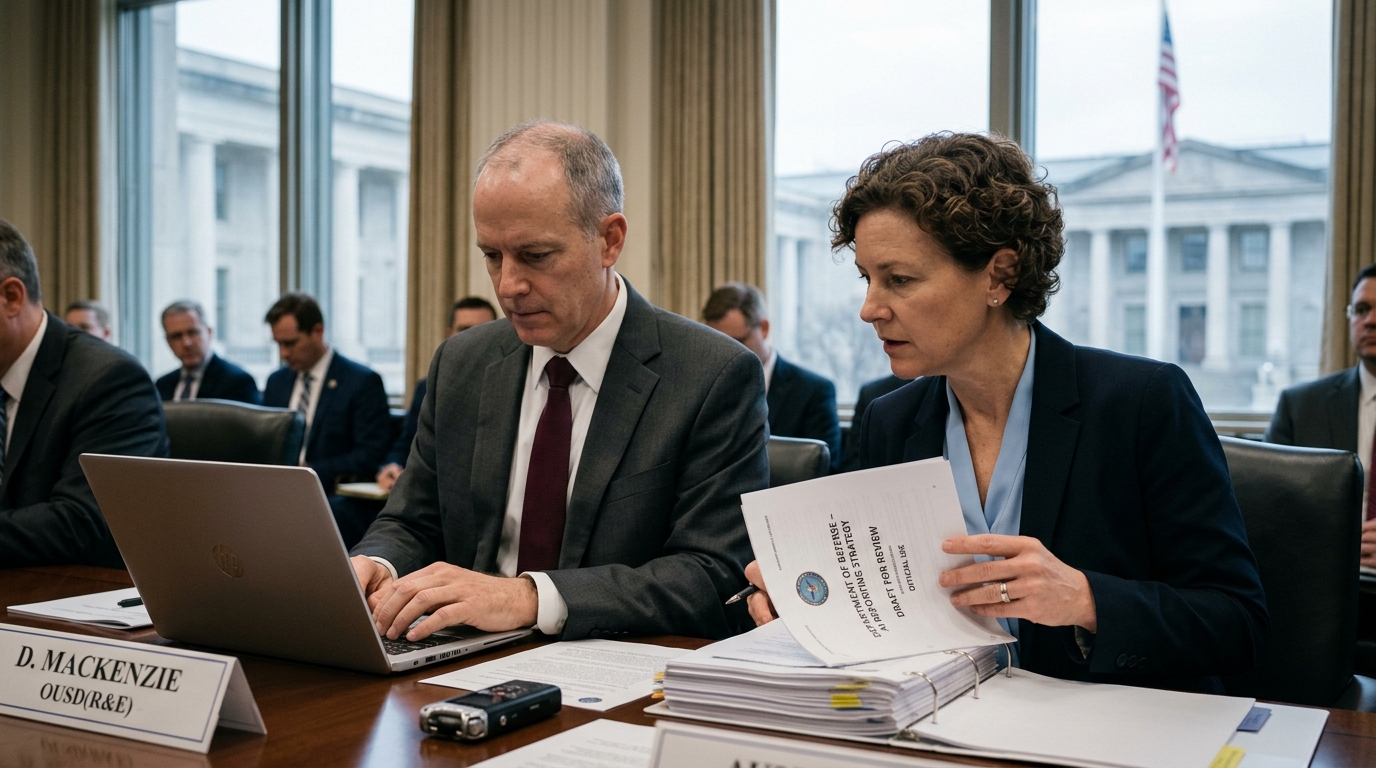
- Ensuring human sovereignty over autonomous weapon systems.
Geopolitics and the AI Arms Race
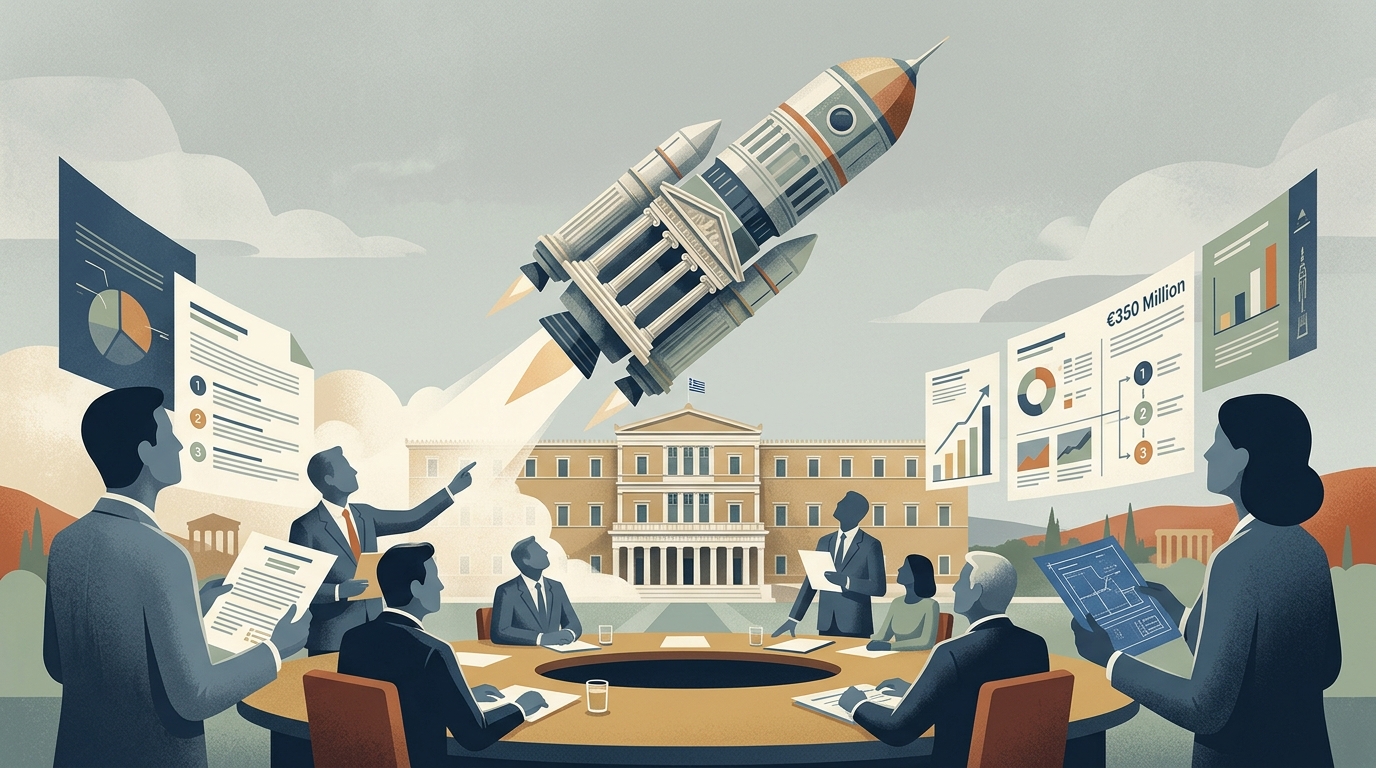
Finally, there is the geopolitical dimension. AI has turned into a new field of Cold War-style competition between major powers. Political leaders must avoid the trap of an unchecked race that could lead to dangerous technological deviations. International cooperation, similar to nuclear non-proliferation treaties, is essential. The European Union, with the EU AI Act, has taken the first step, but without a global consensus, these efforts risk being incomplete. The time for politicians to understand, react, and lead AI is now, before the technology decides for us, without us.