The era when military might was measured solely by the number of tanks and aircraft carriers is fading. Today, the United States Pentagon is turning toward Silicon Valley with unprecedented intensity, sealing multi-billion dollar deals with tech giants like Google, Nvidia, Microsoft, and Amazon. This move signals a fundamental shift in national security doctrine, where software is becoming as critical as hardware on the battlefield.
The Transformation of Military Strategy
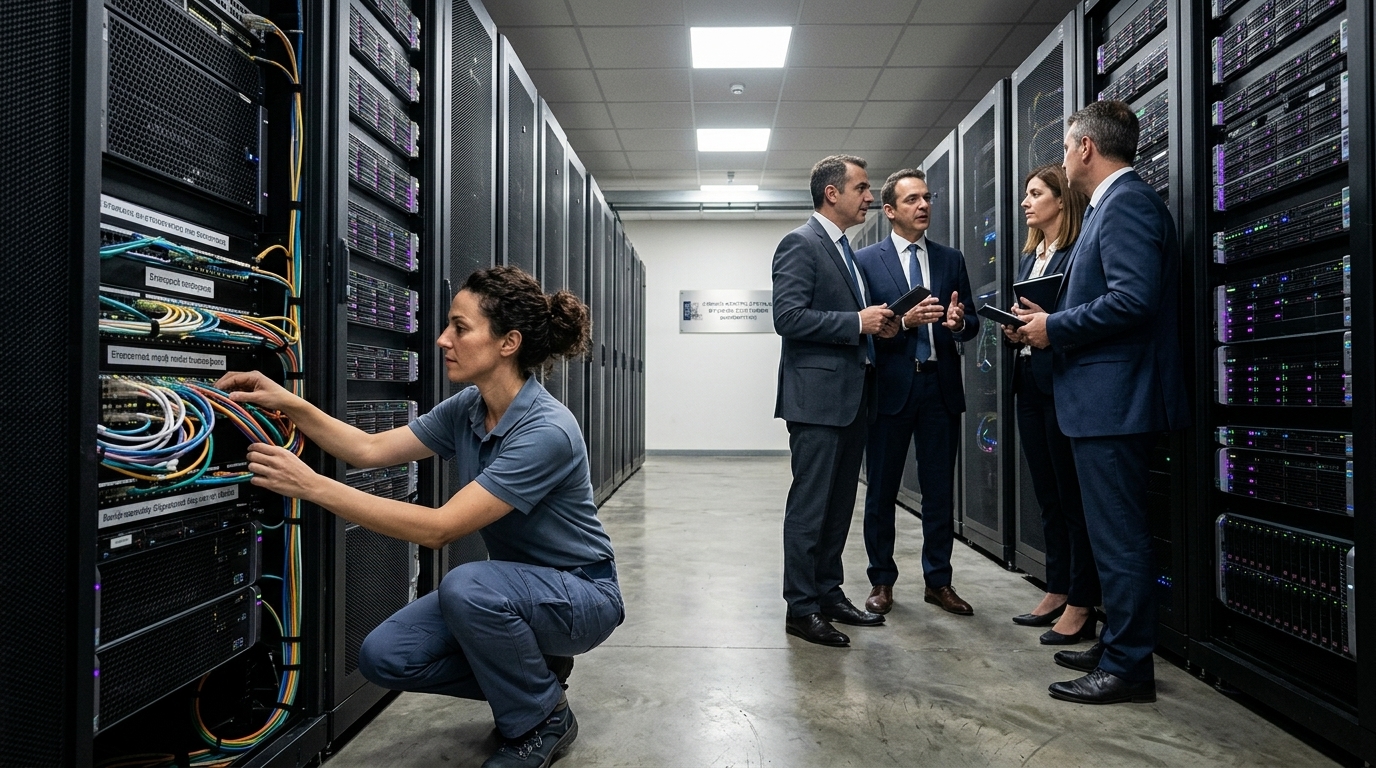
Recent announcements regarding partnerships with Nvidia and Google are not merely procurement contracts; they represent a deep integration of commercial technology into the military fabric. Nvidia, which dominates the AI chip market, provides the computational power necessary to process vast amounts of data in real-time. On the other hand, Google offers the algorithmic infrastructure and machine learning models capable of identifying targets, predicting enemy movements, and optimizing supply chains under crisis conditions.
This shift stems from the realization that the traditional defense industry cannot keep pace with the speed and innovation of the private tech sector. While developing a new fighter jet can take decades, AI algorithms evolve in weeks. The Pentagon seeks to leverage this speed to maintain its advantage over global competitors, most notably China.
From Project Maven to Total Integration
The relationship between Google and the Pentagon has been historically turbulent. In 2018, intense backlash from company employees forced Google's leadership to withdraw from Project Maven, an initiative to use AI for drone imagery analysis. However, the atmosphere has changed dramatically. Geopolitical instability and increasing competition with autocratic regimes seem to have eroded the ethical resistance within tech giants.
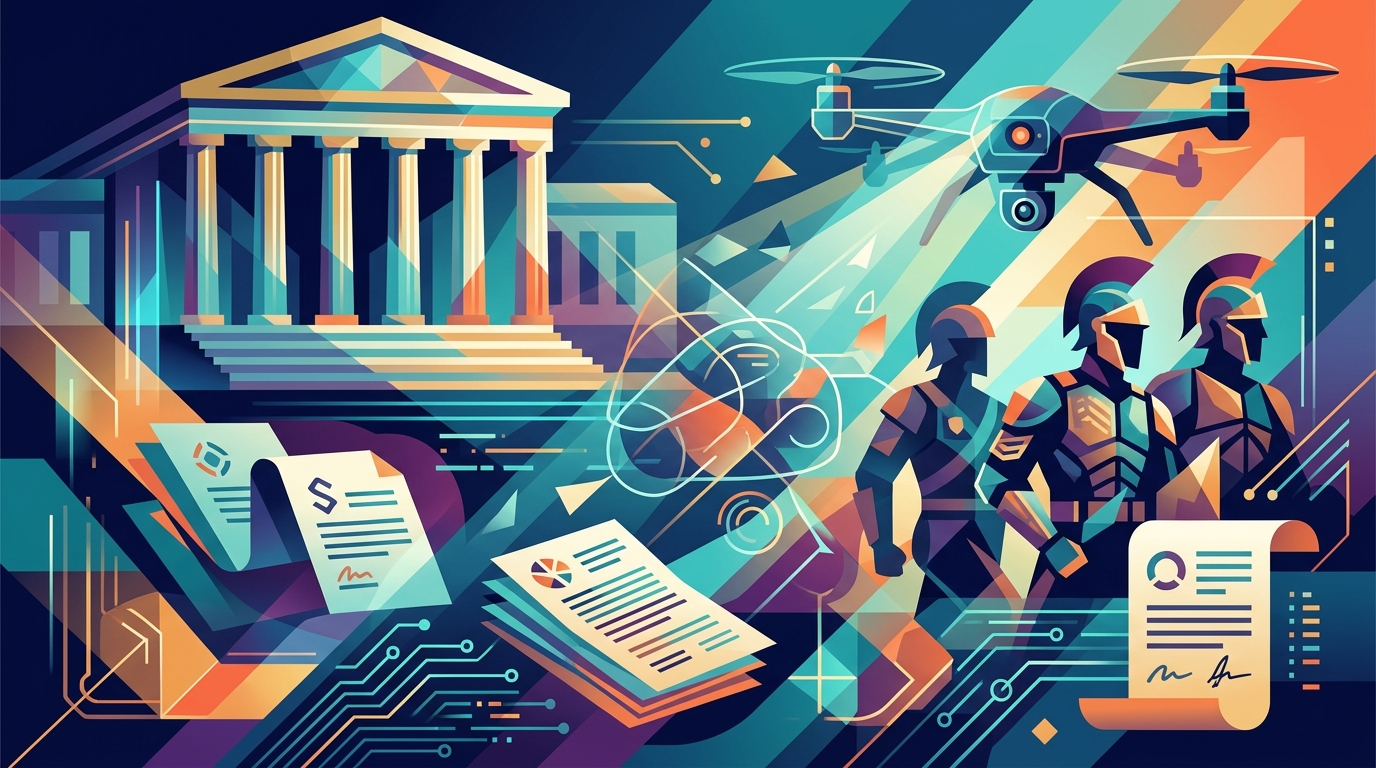
Today, participation in the Joint Warfighting Cloud Capability (JWCC) program shows that Silicon Valley is now an integral part of the defense architecture. Companies are no longer just providing "office tools" but the foundations upon which the autonomous systems of the future are built. AI usage is expanding from cybersecurity and intelligence gathering to the control of unmanned swarms and split-second decision-making.
Ethical Dilemmas and the 'Black Box' Risk
Despite the advantages, the use of AI in warfare raises serious questions. The lack of transparency in how algorithms make decisions—the so-called "black box" problem—is a central concern. Who bears responsibility if an AI system makes a mistake and strikes civilians? The Pentagon insists on maintaining a "human-in-the-loop," but the speed of modern warfare may render human intervention nominal rather than meaningful.
"AI will not replace the soldier, but the soldier using AI will replace the one who does not," defense analysts state.
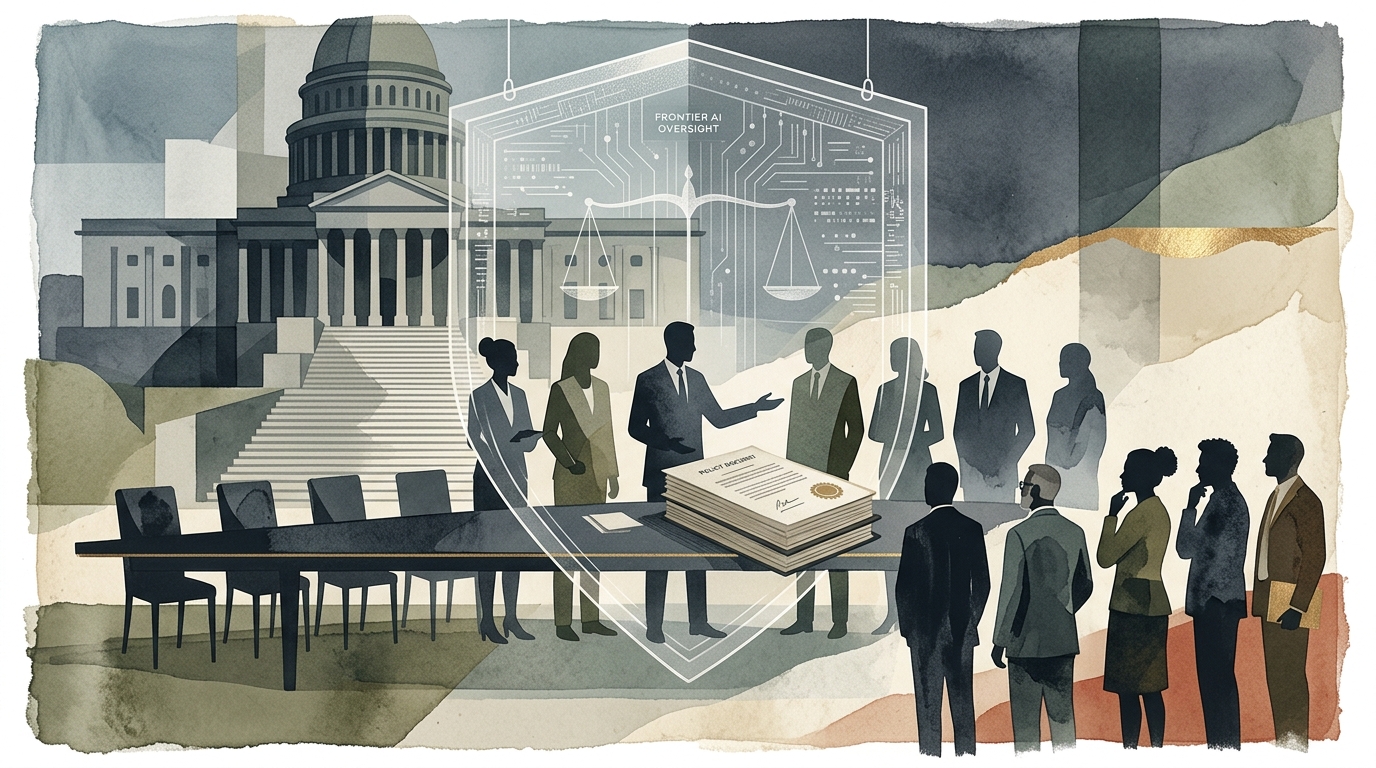
Furthermore, there is the risk of an algorithmic arms race. If the US, China, and Russia develop autonomous systems without international norms and restrictions, the possibility of unintended escalation increases sharply. Algorithms might react to provocations in ways that human diplomats could not predict or intercept.
Economic and Geopolitical Implications
For Nvidia and Google, these deals are not just a matter of patriotism but also of immense profits. The defense market offers stability and long-term contracts that are attractive to shareholders. At the same time, close cooperation with the state allows these companies to influence the regulatory framework around AI, ensuring that their innovation is not hindered by overly restrictive laws.
Globally, this alliance is reshaping the balance of power. A country's ability to produce advanced chips and develop sophisticated algorithms now determines its position in the global hierarchy. The war in Ukraine demonstrated the importance of satellite data and AI in battlefield analysis. The Pentagon's new deals are the official admission that the future of freedom—or dominance—will be decided in lines of code and the data centers of Silicon Valley.