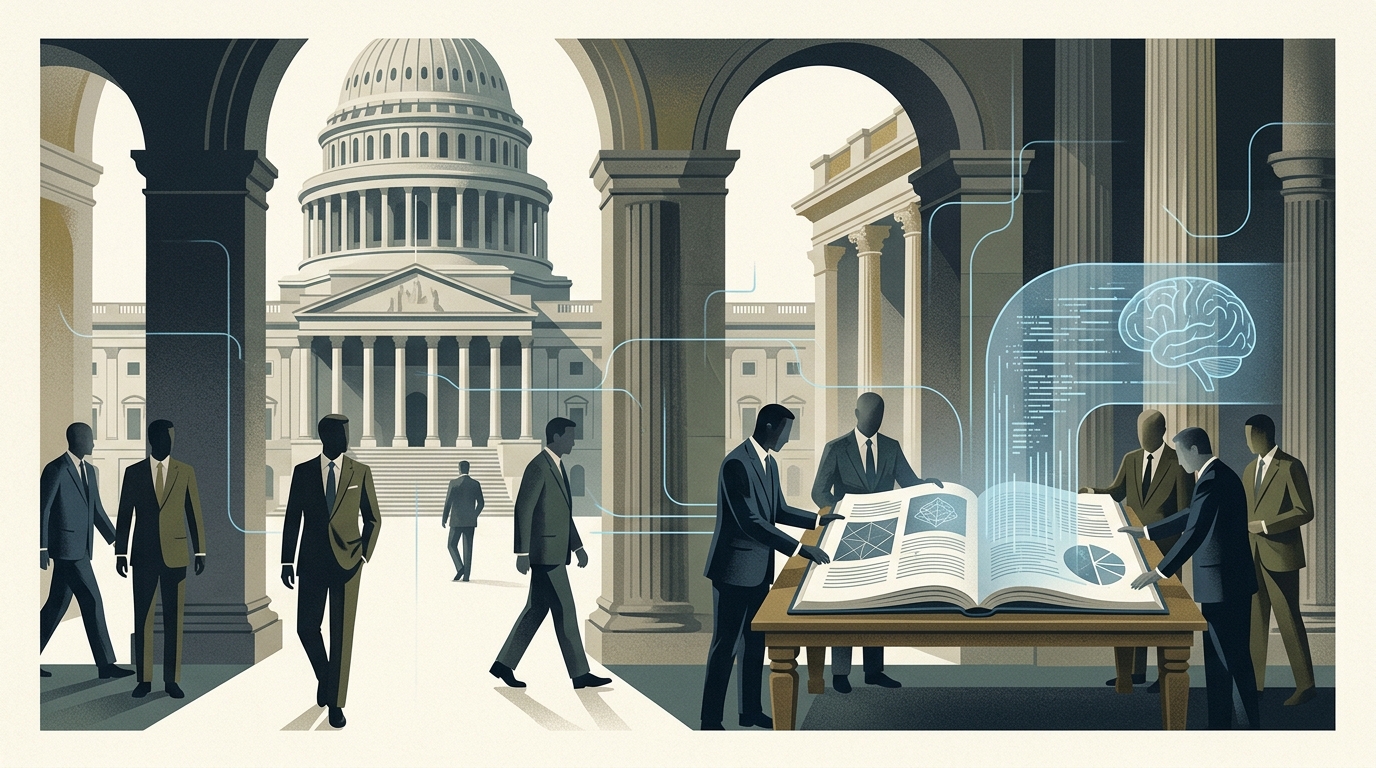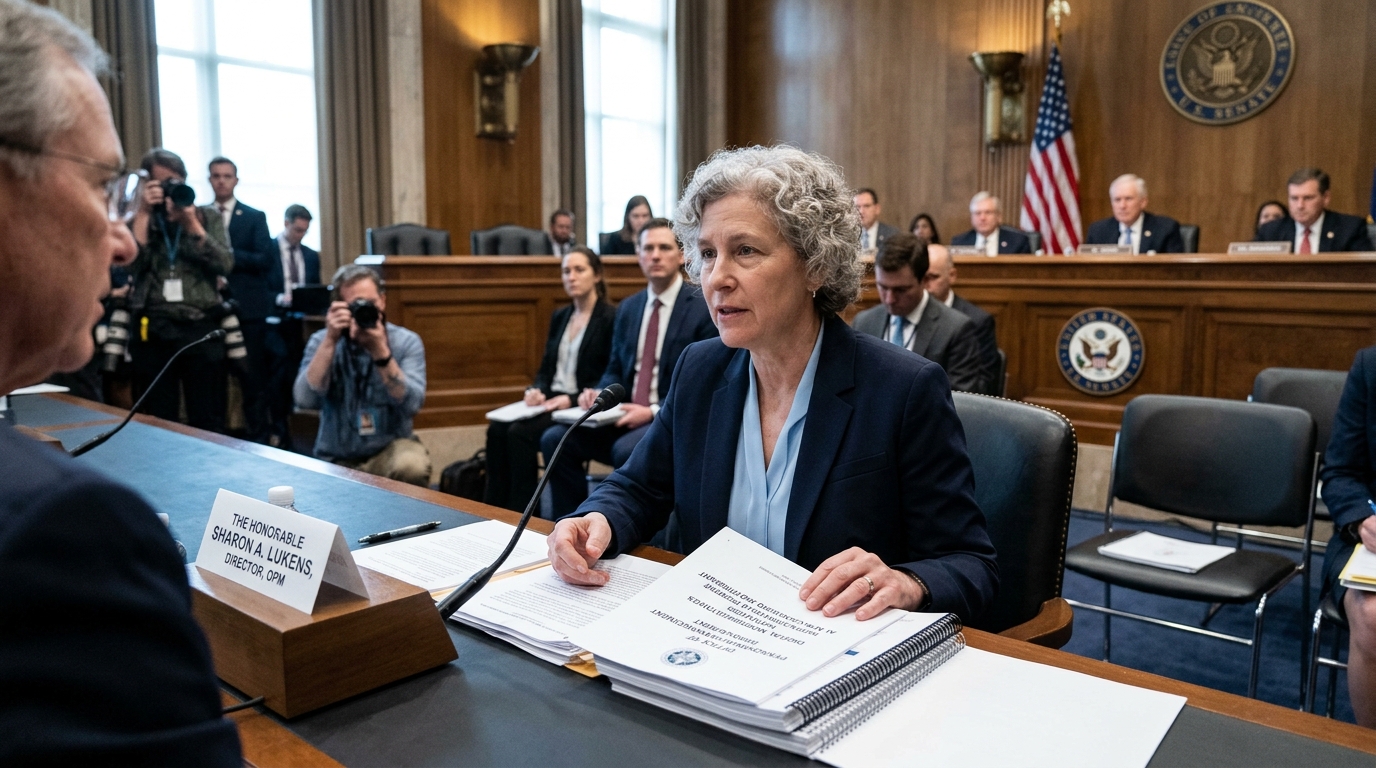
In a landmark move to dismantle the bureaucratic inertia often associated with the United States' largest employer, the Office of Personnel Management (OPM) has announced the integration of advanced Artificial Intelligence (AI) tools into its core operations. This initiative targets two of the most cumbersome areas of federal administration: the creation of job descriptions and the processing of retirement claims. This shift is not merely a technical upgrade; it represents a fundamental change in the philosophy of public administration, striving to match the pace and efficiency of the private sector.
The Skills-Based Hiring Revolution
For decades, federal job descriptions have remained static, often anchored in templates from the 1980s or 90s that fail to reflect modern workplace realities. OPM is now leveraging Generative AI to analyze labor market trends and draft dynamic job descriptions that prioritize skills over traditional educational credentials. This allows the government to attract talent in high-demand fields like cybersecurity and AI development, where legacy evaluation methods often failed to identify qualified candidates.
According to OPM officials, the use of AI enables hiring managers to synthesize complex roles into clear, engaging job postings in a matter of minutes—a process that previously took weeks of inter-agency back-and-forth. The focus is shifting from "what you did" to "what you can do," aligning with the broader White House strategy for skills-based hiring. However, the persistent challenge lies in ensuring that these algorithms do not replicate historical biases that could exclude qualified candidates from underrepresented backgrounds.
Tackling the Retirement Backlog
Perhaps the most pressing issue AI is tasked with solving is the staggering backlog in federal retirement processing. For years, retiring civil servants have faced months of uncertainty as OPM relied on paper-heavy applications and antiquated filing systems. The introduction of Machine Learning and Optical Character Recognition (OCR) now allows for the automated digitization and classification of documents with precision that often exceeds human capability.
AI is not replacing the human claims officers who make final determinations; rather, it acts as a "digital assistant" that prepares files, identifies missing documentation, and performs preliminary benefit calculations. This drastically reduces processing times and allows staff to focus on complex cases requiring nuanced human judgment. Transparency in this process is paramount, as retirees demand to understand how and why decisions affecting their livelihood are made.
Policy Context and Ethical Guardrails
This initiative falls under the umbrella of Executive Order 14110 on the "Safe, Secure, and Trustworthy Development and Use of Artificial Intelligence." The U.S. government is attempting to set a global standard for responsible AI usage. This means every tool deployed by OPM must undergo rigorous testing for data privacy and algorithmic fairness. Using AI in the public sector carries a higher burden of proof than in the private sector, as citizens cannot simply choose a different service provider.
Furthermore, there is a growing concern regarding the "digital divide" within the federal workforce itself. While AI promises efficiency, it necessitates that civil servants acquire new competencies to work alongside these systems. OPM has launched comprehensive upskilling programs, recognizing that technology is only one part of the equation; the human capital guiding it is the other. The success of this endeavor will determine if the federal government can transform into a nimble, 21st-century organization or remain shackled by its bureaucratic legacy.
"Artificial Intelligence is not a panacea for administrative ills, but it is the most powerful tool we have ever had to restore citizen trust in government through sheer efficiency."
In conclusion, OPM’s move is a bold experiment. If successful, it could provide a blueprint for governments worldwide. The challenge is to maintain the balance between technological acceleration and the human-centric approach that every public service must uphold. Ultimately, AI at OPM is not just about code and data; it is about the dignity of the worker and the security of the retiree.