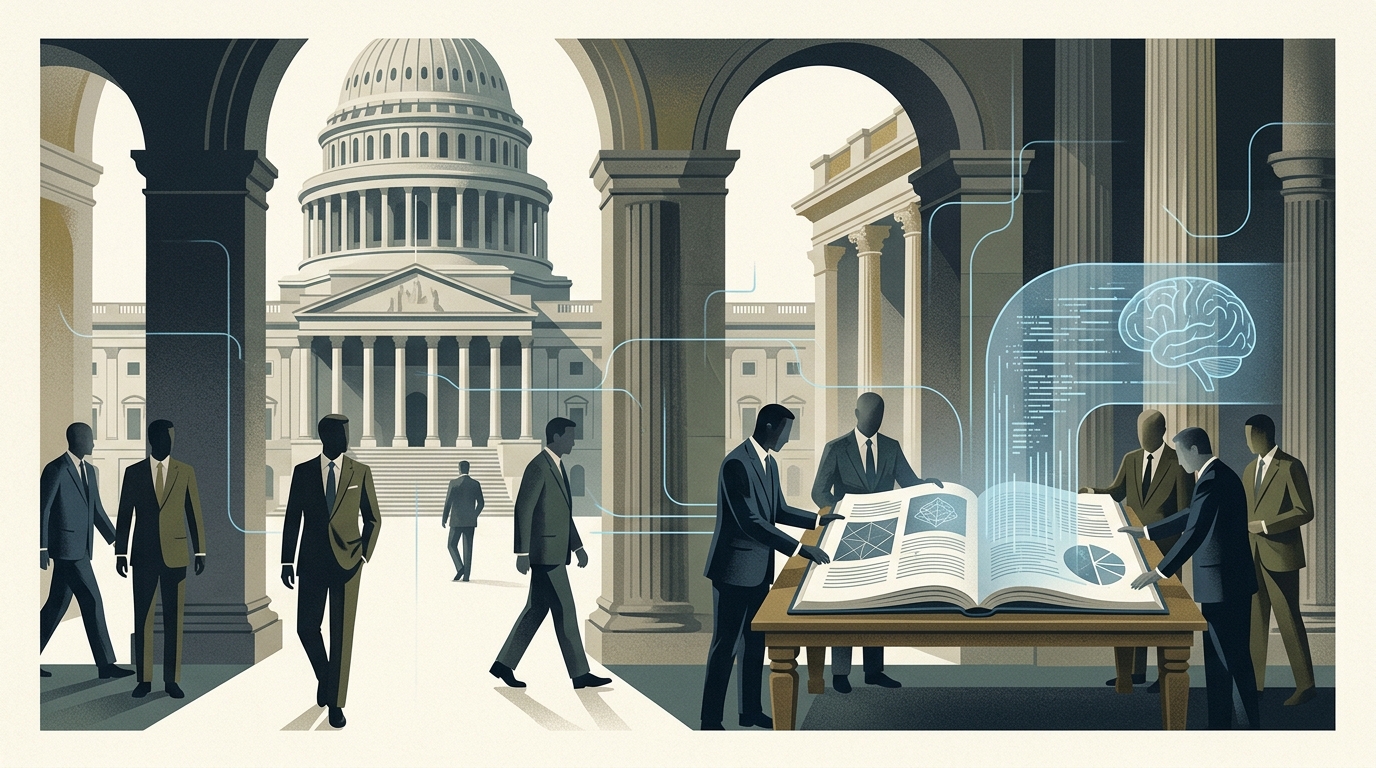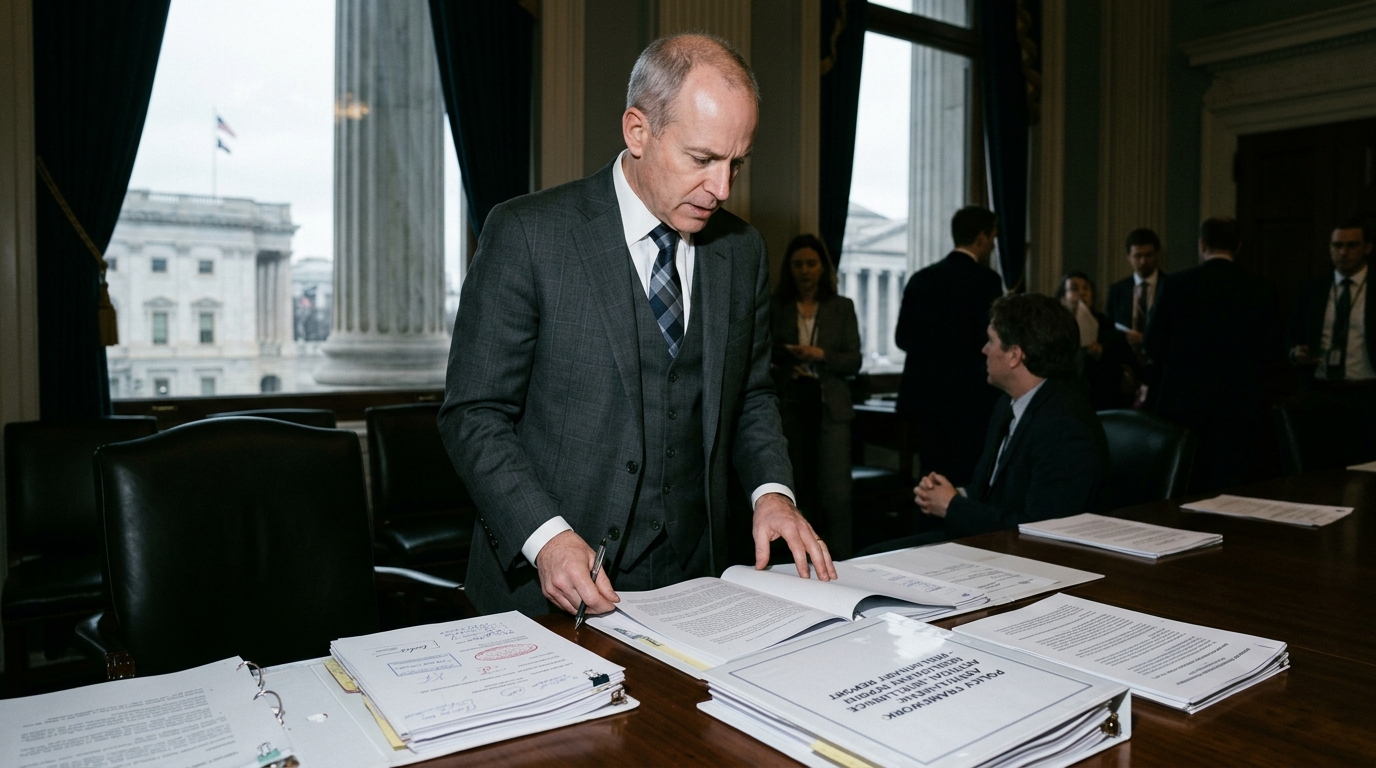
The image of Sam Altman, CEO of OpenAI, testifying before the US Congress with a blend of humility and an urgent plea for regulation, has become the hallmark of the new AI era. However, behind this carefully curated public persona of the "responsible innovator" lies a much more complex and, for many, unsettling strategy. OpenAI, a company that began as a non-profit aimed at democratizing AI, now appears to be setting a sophisticated political trap in Washington, aiming to cement its dominance through "regulatory capture."
The Art of Regulatory Capture
In political economy, regulatory capture occurs when an industry, instead of being regulated by the state for the public good, manages to direct regulatory agencies to serve its own interests. OpenAI seems to be following this playbook to the letter. By insistently asking the US government to establish strict rules and licensing systems for "frontier models," the company is essentially asking for a fence to be built around the market.
The argument is always safety: AI is so powerful that it could pose existential risks, therefore only a few, approved companies should be allowed to develop it. In practice, however, this means that startups and open-source researchers will face insurmountable bureaucratic and financial compliance costs. If Washington adopts the licensing model proposed by Altman, OpenAI will no longer have to fear competition from the next "garage" startup, but only from other giants who already have a seat at the table.
The Divide Between Closed and Open Systems
The biggest threat to OpenAI's business model is not Google or Meta, but the open-source community. When models like Meta's Llama or Mistral become available to everyone, the value of OpenAI's closed, subscription-based models comes under pressure. The company's strategy in Washington targets exactly this: criminalizing or severely restricting powerful open-source models under the pretext that they could be used by malicious actors.
- Stifling Innovation: Mandating licenses for model training could halt academic research and grassroots development.
- Concentration of Power: Only companies with multi-billion dollar capitalizations will be able to handle the regulatory burden.
- National Security as a Trojan Horse: Linking AI to the competition with China is used to persuade lawmakers to support "national champions" like OpenAI.
The Geopolitical Chessboard and Lobbying
OpenAI has invested massive amounts in lobbying over the last 18 months. Its approach is twofold: on one hand, it presents itself as the indispensable partner of the US government in the race for technological supremacy over China. On the other, it cultivates a fear of "uncontrolled AI" that only they know how to harness. This tactic creates a relationship of dependency between the state and the corporation.
"Regulation is necessary, but when the regulated write the laws themselves, the result is not safety, but monopoly," market analysts note.
Washington, often technologically illiterate, risks falling into the trap of over-regulation that will stifle the startup ecosystem, leaving the field clear for OpenAI and its allies (such as Microsoft). The stake is not just who will make money, but who will control the core infrastructure of 21st-century intelligence.
Conclusion: The Need for an Independent Approach
It is clear that artificial intelligence needs rules. However, these rules must focus on the applications and outcomes of the technology, not on the development of the models themselves. If Washington allows OpenAI to define the framework, it will have sacrificed the dynamism of American innovation on the altar of corporate stability. The "trap" has been set; it remains to be seen whether lawmakers will have the foresight to avoid it.