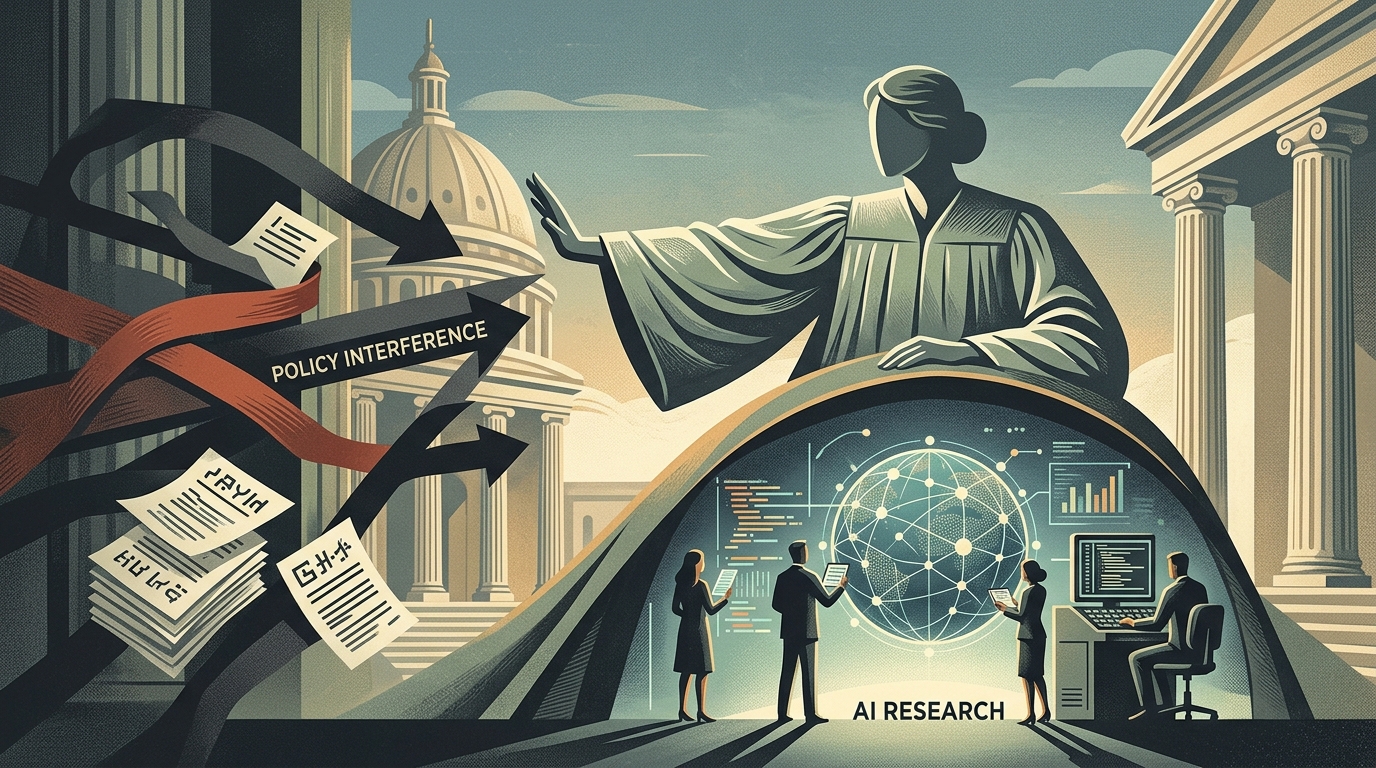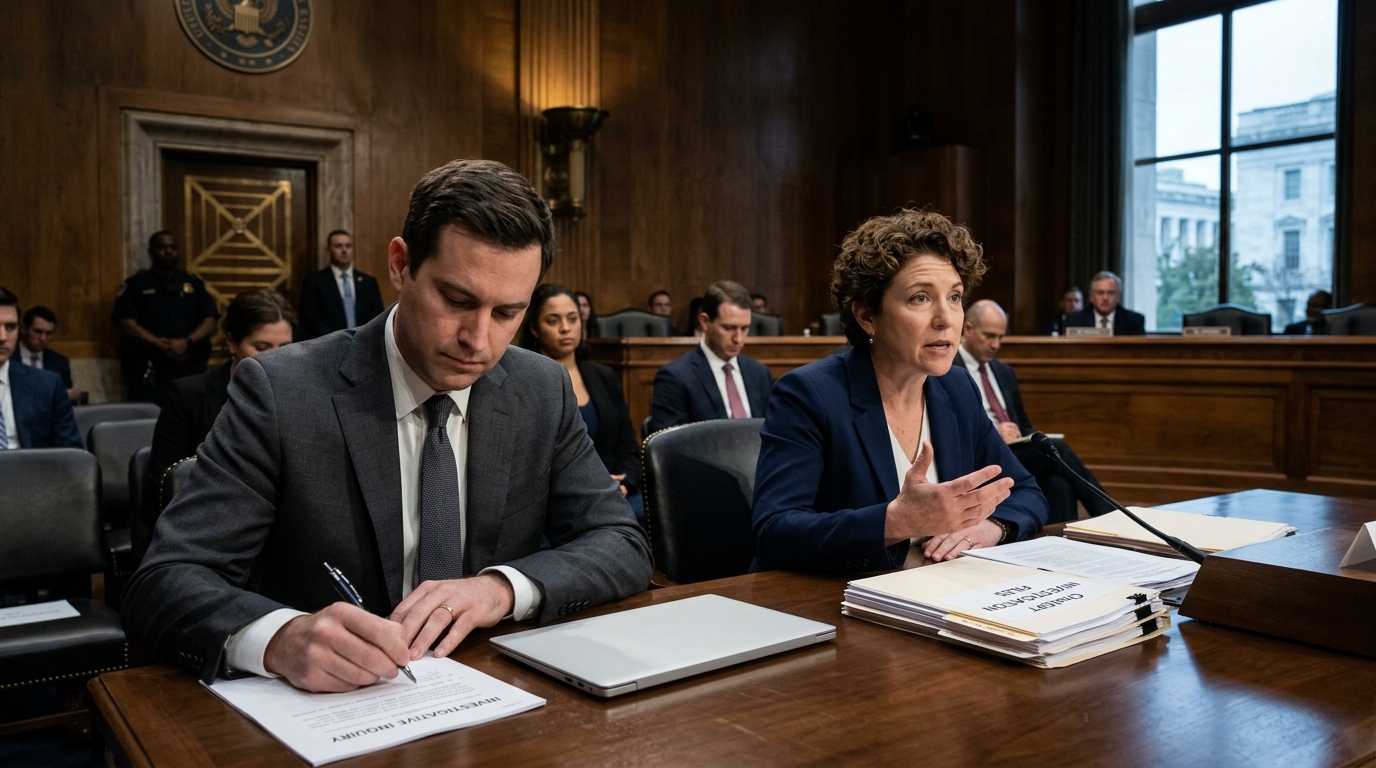
The era of "move fast and break things" for OpenAI appears to be hitting a significant legal wall, as Attorneys General from multiple U.S. states join forces for an in-depth investigation into the company's practices. At the heart of the probe is ChatGPT, the tool that revolutionized the tech world while simultaneously igniting a firestorm over data privacy, information accuracy, and user safety.
This move by state authorities is not a sudden occurrence. It comes at a time when the U.S. federal government, through the Federal Trade Commission (FTC), has already initiated its own oversight procedures. However, the intervention of State Attorneys General carries unique weight, as states possess powerful consumer protection tools that can lead to heavy fines and mandated changes in how algorithms operate.
The Issue of "Hallucinations" and Defamation
One of the primary points of contention is the phenomenon of AI "hallucinations." Prosecutors are examining whether OpenAI failed to adequately warn users that ChatGPT can produce false and defamatory information about real individuals. According to legal experts, if a company knows its product can damage a person's reputation and fails to take necessary protective measures, it may be violating unfair trade practice laws.
"Technology cannot serve as an excuse for violating the fundamental rights of citizens to truth and the protection of their personality," says a source close to the investigations.
OpenAI, for its part, maintains that it is constantly working to improve the accuracy of its models. However, prosecutors are looking for evidence of whether the company prioritized release speed over public safety.
Data Privacy and the Model's "Fuel"
The second major front concerns how GPT models were trained. OpenAI utilized vast amounts of data from the internet, often without the explicit consent of the creators or the users to whom that data belongs. State Attorneys General are investigating whether this practice violates state privacy laws, particularly in cases involving the collection of data from minors.
- Transparency in data collection is the number one demand from regulatory authorities.
- Concerns regarding child safety and exposure to inappropriate content remain high.
- Authorities are examining whether users have the right to request the deletion of their personal information from the model's "memory."
The cases of California and New York are indicative, as these two states lead in establishing strict rules for digital privacy. A conviction or a settlement there could set a precedent for the entire AI industry.
Corporate Governance and Conflict of Interest
The investigation is not limited to technical aspects but extends to OpenAI's internal structure. Following the dramatic events surrounding Sam Altman's removal and reinstatement, authorities are examining whether the company's transition from a non-profit organization to a profit-oriented entity affected its commitments to "safe and beneficial" AI. Prosecutors want to determine if investors, such as Microsoft, are exerting pressure that undermines the ethical protocols the company originally established.
In conclusion, OpenAI finds itself at a critical crossroads. The outcome of these investigations will determine not only the future of the company itself but also the framework within which artificial intelligence will develop over the next decade. The balance between innovation and consumer protection is more delicate than ever, and State Attorneys General seem determined to draw the red lines.