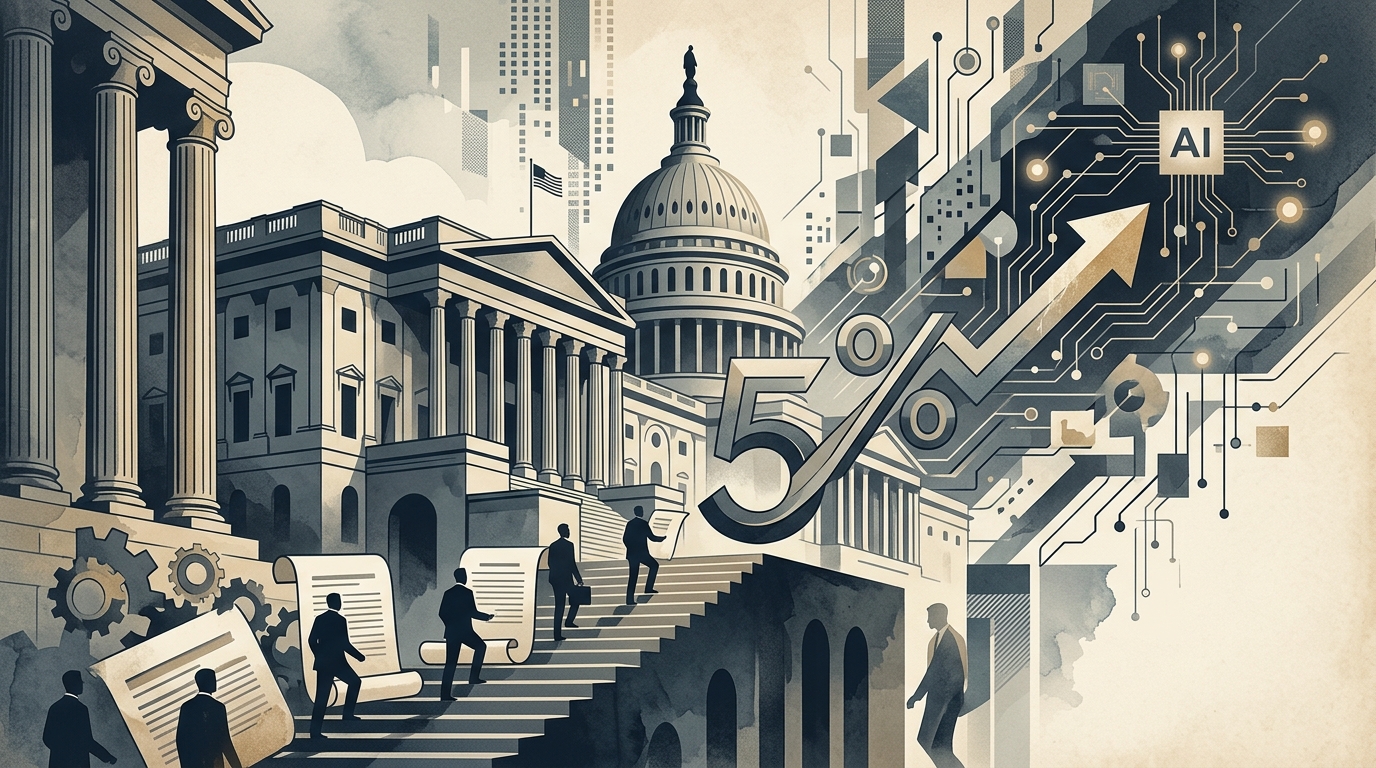
In a move that mirrors geopolitical diplomacy more than traditional corporate strategy, OpenAI, led by CEO Sam Altman, has put forward a proposal that could fundamentally rewrite the economic and political landscape of the United States. According to reports by the Financial Times, Altman is advocating for the creation of a sovereign wealth fund that would acquire a stake of up to 5% in leading American AI companies. This proposal is not merely a financial overture; it is a calculated attempt to purchase political stability at a time when Washington is tightening its grip on Big Tech.
The End of Autonomy and the Rise of the 'National Champion'
OpenAI is currently at a critical crossroads. On one hand, its transition from a non-profit entity to a full-fledged for-profit "public benefit corporation" is drawing fire for drifting away from its original mission. On the other hand, antitrust regulators and safety hawks in Washington are voicing serious concerns about the concentration of immense power in the hands of a few private entities. The 5% equity proposal serves as a "golden bridge": it offers the state a direct financial interest in the success of AI, effectively transforming OpenAI and its peers into "national champions" shielded by the American government.
The logic behind this move is deeply rooted in the need for massive infrastructure. Building next-generation data centers, such as the rumored $100 billion "Stargate" project, requires not just capital, but government approvals for access to energy resources and land. By tethering the company's fate to the American public treasury, Altman hopes to secure the necessary political backing for these gargantuan investments, framing AI as a shared national asset rather than a private monopoly.
The Geopolitical Dimension: AI and National Security
It is no coincidence that this proposal arrives at a moment when the technological race with China has taken on the characteristics of a Cold War. Washington is increasingly worried that the unchecked development of AI by private firms could compromise national security or lead to the leakage of critical technologies. By proposing a state stake, OpenAI is offering the Pentagon and the White House a "seat at the table," ensuring that AI development remains aligned with U.S. strategic interests.
- Energy Security: The demand for power is the new "oil" of the AI era. State participation could streamline access to nuclear energy and modernized grids.
- Antitrust Shield: It becomes significantly harder for the Department of Justice to break up a company in which the government itself holds a substantial stake.
- Social Dividend: Altman argues that citizens should benefit from AI profits, an idea reminiscent of the Alaska Permanent Fund.
The Risks of 'State-Sponsored' Innovation
Despite the promises of public benefit, critics of the proposal warn of dangerous side effects. The entry of the state into the equity of tech giants could lead to a form of "state capitalism," where political expediency trumps technological innovation. Furthermore, serious questions arise regarding privacy: if the state is a shareholder in OpenAI, how can we ensure that user data will not be funneled into government surveillance apparatuses?
"This proposal is a Trojan horse. Under the guise of a social dividend, OpenAI is seeking state protection from competition and regulation," market analysts argue.
Ultimately, Altman's move is an admission that the "Wild West" era of artificial intelligence is coming to an end. AI companies can no longer operate as isolated islands of innovation; they must integrate into the national fabric. Whether Washington accepts this "gift" or views it as an attempt to manipulate state power will determine the trajectory of human progress for decades to come.