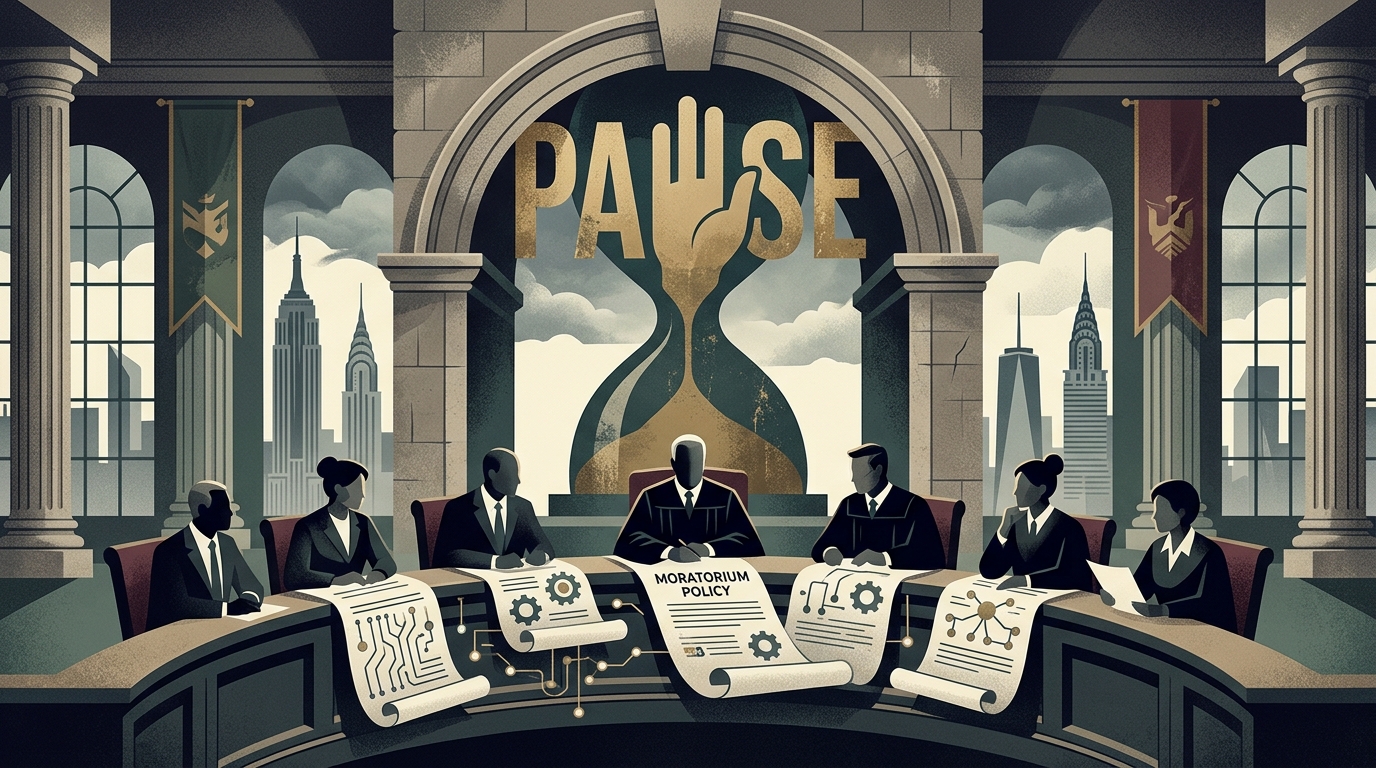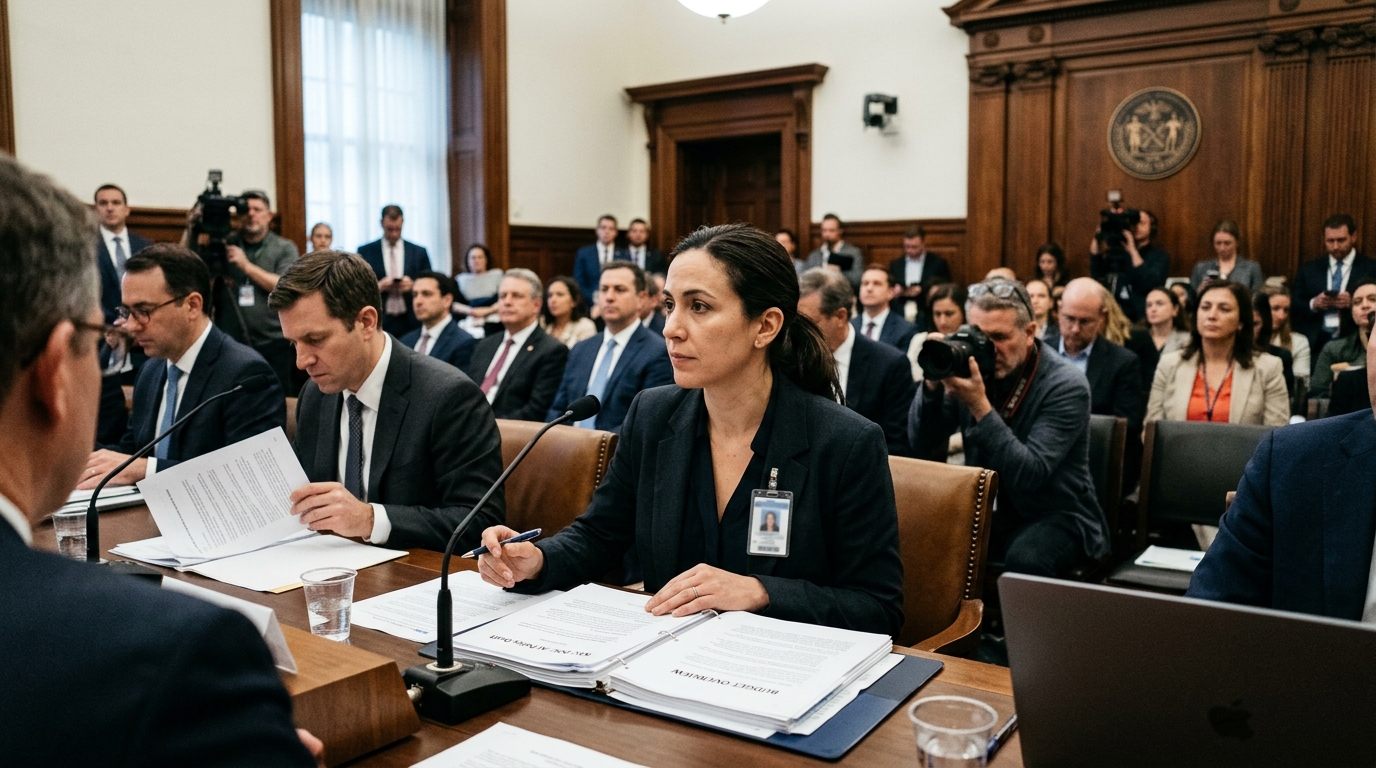
In a move that has sent ripples through the global educational community, the New York City Department of Education (DOE) has announced a temporary moratorium on all new technology procurements. This decision is not merely a budgetary measure but the culmination of an intense internal debate over how Artificial Intelligence (AI) is reshaping learning, privacy, and the very role of the educator. As we navigate 2026, AI technology is no longer a futuristic promise; it is a daily reality that demands robust governance.
The Chronicle of a Necessary Pause
New York City, which operates the largest public school system in the United States, has once again found itself at the center of critical scrutiny. Following the initial ban on ChatGPT in early 2023 and its subsequent lifting, the city attempted to integrate generative AI in a structured manner. However, the speed at which AI models evolve has outpaced the bureaucratic capacity of the system to establish safety protocols. The current spending freeze primarily affects software and platforms utilizing data-processing algorithms without clear guarantees for student protection.
Educators and parents are voicing significant concerns. On one hand, there is the fear that students will become "guinea pigs" for major tech corporations. On the other, tech advocates argue that every day of delay widens the digital divide between public and private schools, where access to advanced AI tools is already a given. This move by NYC is seen as a wake-up call for other metropolises grappling with similar dilemmas.
Ethics, Privacy, and the Role of Data
The primary point of contention remains the management of minors' data. New AI platforms proposed for classrooms promise personalized learning by analyzing every move, mistake, and preference of the student. However, this creates a massive digital footprint that could follow a child for their entire life. NYC's political leadership is under pressure to establish a framework guaranteeing that this data will never be used for commercial purposes or for creating profiles that could impact students' future career paths.
- Protection of minors' personal data from algorithmic exploitation.
- Ensuring equity in access to technological tools.
- Retraining teachers for the effective use of AI in the classroom.
- Evaluating the efficacy of digital tools before spending public funds.
Furthermore, there is the issue of "algorithmic bias." Many tools currently on the market have been trained on data sets that do not reflect the multiculturalism of a city like New York. The risk of embedding tools into the educational system that favor specific social groups at the expense of others is real and represents a red line for the current administration.
Reaction from Unions and Industry
The United Federation of Teachers (UFT) has welcomed the decision to pause, emphasizing that technology must serve pedagogical goals rather than replace them. Educators are demanding more of a voice in the tool selection process, arguing that expensive programs are often purchased only to sit unused because they do not meet the practical needs of the classroom.
"We don't need more gadgets. We need tools that enhance the teacher-student relationship and do not turn education into an impersonal interaction with a screen," a union spokesperson stated.
Conversely, EdTech companies warn that New York City risks falling behind global developments. They argue that bureaucratic foot-dragging will deprive an entire generation of students of the skills necessary for the future labor market. This conflict is expected to escalate in the coming months as the city prepares its new "Strategic Technology Plan 2027."
Conclusion: A Moment for Reflection
New York City's decision to hit the "pause" button on tech spending is an act of courage in an era where speed is often seen as an end in itself. It highlights the need for a deeper conversation about the values we want to govern our education. Artificial Intelligence offers unique opportunities, but without the proper framework, it risks becoming a mechanism for widening inequality. The challenge for NYC is to turn this pause into a productive period of consultation, laying the foundations for a school system that is both modern and profoundly human.