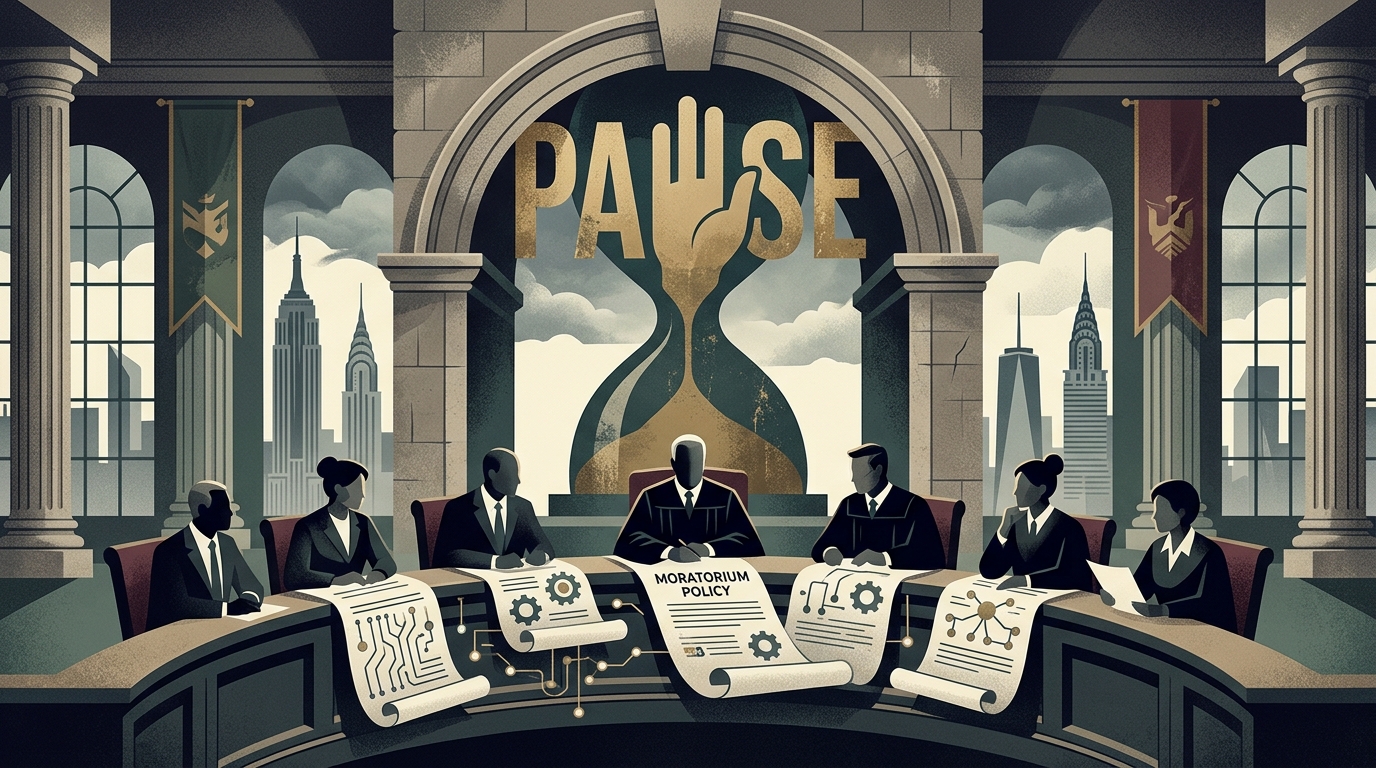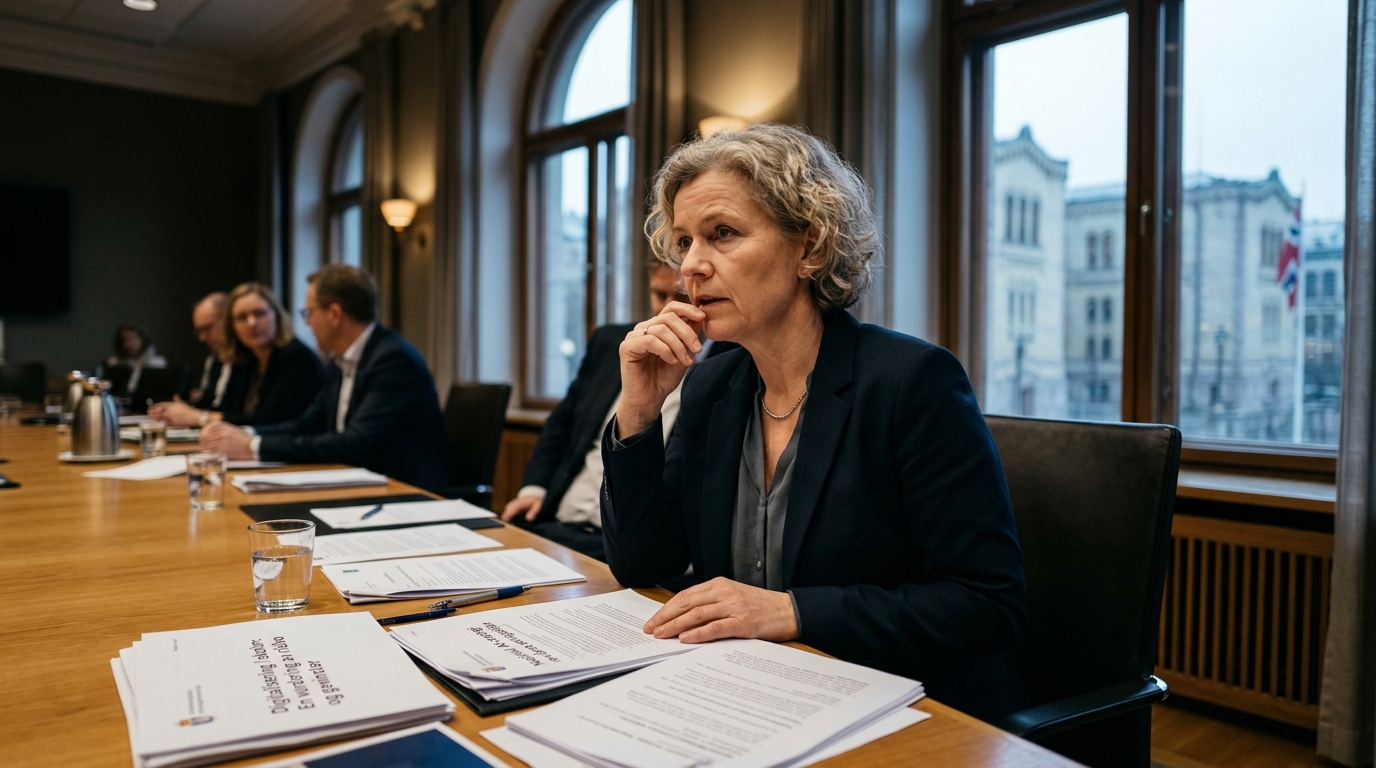
In an era where the global race for Artificial Intelligence (AI) dominance is accelerating, Norway is choosing an unexpected but deeply calculated stance: restraint. The recent decision by the Norwegian government and the Directorate for Education and Training (Udir) to impose a near-total ban on the use of Generative AI tools for children aged 6 to 13 is not merely an administrative act; it is a profound statement on the future of human cognition.
Norway, a country that has traditionally ranked among the most digitally advanced societies, appears to recognize that excessive exposure to algorithmic tools during the critical years of primary education could have irreversible consequences. This move follows the example of neighboring Sweden, which recently pivoted back to physical textbooks, highlighting a broader Nordic shift toward "digital humanism."
The Pedagogical Concern: The Erosion of Critical Thinking
The primary argument from Norwegian experts focuses on cognitive development. For a child of 7 or 10, the process of learning is not just about the final output—an essay or a solved math problem—but about the neural pathways formed during the struggle to achieve it. When tools like ChatGPT or Google Gemini provide instantaneous answers, the essential process of grappling with information is bypassed.
Educators warn that premature AI integration can lead to a form of "cognitive atrophy." If students do not learn to structure arguments or research sources manually, they will lack the foundational skills required to critically evaluate AI itself later in life. Norway aims to ensure that technology remains a tool rather than a substitute for thought, preserving the child's ability to wonder, analyze, and create independently.
Data Privacy and the Clash with Big Tech
Beyond the educational framework, the decision carries significant political and legal weight. The use of AI tools in schools raises serious questions regarding compliance with the European Union’s General Data Protection Regulation (GDPR). Most AI models are trained on vast datasets and often collect user interactions to further refine their algorithms.
The Norwegian government expresses legitimate concerns over how Big Tech companies handle the data of minors. Without clear guarantees that children's interactions with AI bots will not be used to build digital profiles or for commercial exploitation, their use is deemed high-risk. "We cannot turn classrooms into testing grounds for opaque algorithms," sources within the Ministry of Education have noted. This reflects a growing European skepticism toward the unchecked influence of Silicon Valley in public institutions.
The Return to Analog and the Future of Schooling
This restriction should not be mistaken for technophobia. On the contrary, Norway is proposing a calibrated approach. After the age of 13, AI introduction will be gradual and strictly supervised, focusing on high-level digital literacy. Students will be taught how to identify AI "hallucinations" and how to use these tools ethically and effectively as assistants, not as masters.
In the meantime, schools are being encouraged to reinvest in physical libraries, handwritten assignments, and oral examinations. This "de-digitalization" is seen as necessary to restore student focus, which has been fragmented by the ubiquitous nature of screens. Norway is sending a clear message to the global community: progress is not always linear, and sometimes the most progressive step is a return to the analog roots of human learning. By hitting the brakes now, they hope to raise a generation that controls technology, rather than being controlled by it.