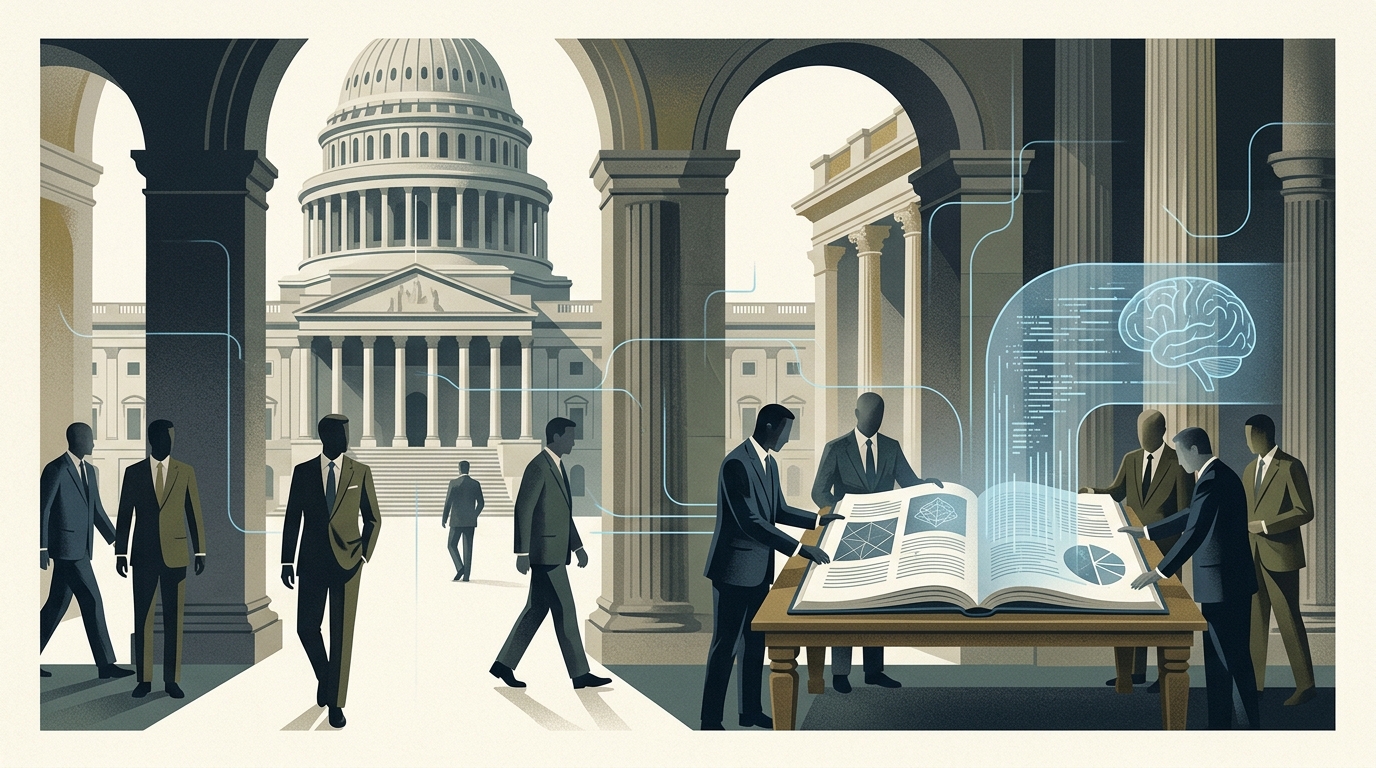
In the heart of the American Great Plains, where wheat fields and oil rigs once defined the horizon, a new form of power is surging: computational might. North Dakota, a state traditionally anchored by its natural resources, is now pivoting toward the 21st-century's most valuable asset—data and Artificial Intelligence (AI). The formation of the Artificial Intelligence and Data Center Committee is more than a bureaucratic milestone; it is a calculated strategic move to prepare legislators for the 2027 session, which promises to be a watershed moment for the state's digital future.
The Energy-Compute Nexus
North Dakota’s primary competitive advantage in the AI race isn't found in Silicon Valley’s venture capital, but in its own energy grid. With vast reserves of natural gas, coal, and a rapidly expanding wind energy sector, the state offers what tech giants crave most: reliable, affordable, and abundant power. Data centers, the physical cathedrals of the digital age, require immense electricity for both processing and cooling. The committee is tasked with exploring how the state can leverage this surplus to attract multi-billion dollar investments without compromising the grid's integrity or increasing costs for residential consumers.
This balancing act is delicate. On one hand, the influx of data centers promises a massive boost to the tax base and local economies. On the other, the sheer scale of energy consumption by these facilities—often operating 24/7—demands a sophisticated regulatory framework. Legislators are looking into innovative infrastructure models and power-sharing agreements that ensure the state’s legacy industries, like ranching and mining, can thrive alongside the high-tech newcomers.
Legislative Foresight for 2027
The decision to begin preparations years in advance of the 2027 session reflects an understanding of AI’s disruptive potential. Unlike traditional industries, AI evolves at an exponential rate, often outpacing the speed of lawmaking. The committee’s goal is to bridge this knowledge gap, educating policymakers on the nuances of machine learning, algorithmic bias, and data sovereignty. By the time the gavels fall in 2027, North Dakota aims to have a robust suite of laws that protect citizen privacy while fostering an environment of permissionless innovation.
A key focus area is precision agriculture. North Dakota is a global leader in crop production, and the integration of AI could revolutionize yields and resource management. However, this transition raises questions about data ownership. The committee is investigating how to protect farmers' proprietary data from being exploited by multinational tech firms, ensuring that the benefits of AI-driven farming remain in the hands of the local producers who till the soil.
Challenges: Ethics, Jobs, and Cybersecurity
Despite the economic allure, the committee must address significant societal concerns. Automation driven by AI has the potential to displace workers in sectors ranging from logistics to administrative services. Part of the committee's mandate involves examining workforce development programs and educational initiatives to ensure the local population is equipped for the jobs of the future. The transition from a blue-collar or green-collar economy to a 'silicon-collar' one requires more than just infrastructure; it requires human capital investment.
Furthermore, as North Dakota positions itself as a central node in the nation's data architecture, cybersecurity becomes a matter of state security. Protecting these massive data repositories from foreign and domestic threats is a priority. The 2027 legislative package will likely include stringent security standards for data center operators, positioning North Dakota as not just a cheap place to host data, but the most secure one. As the committee continues its work, it is clear that North Dakota is not just observing the AI revolution—it is building the foundation to lead it from the prairies.