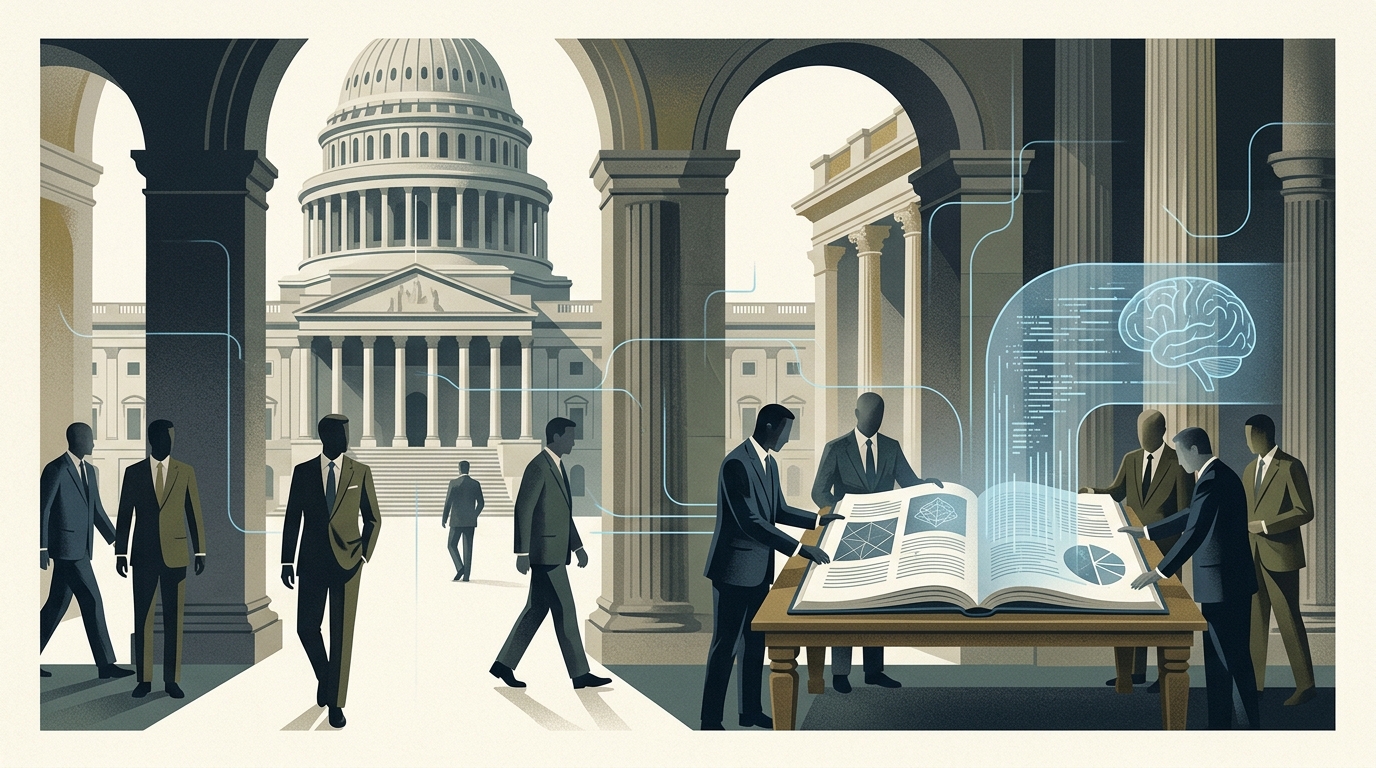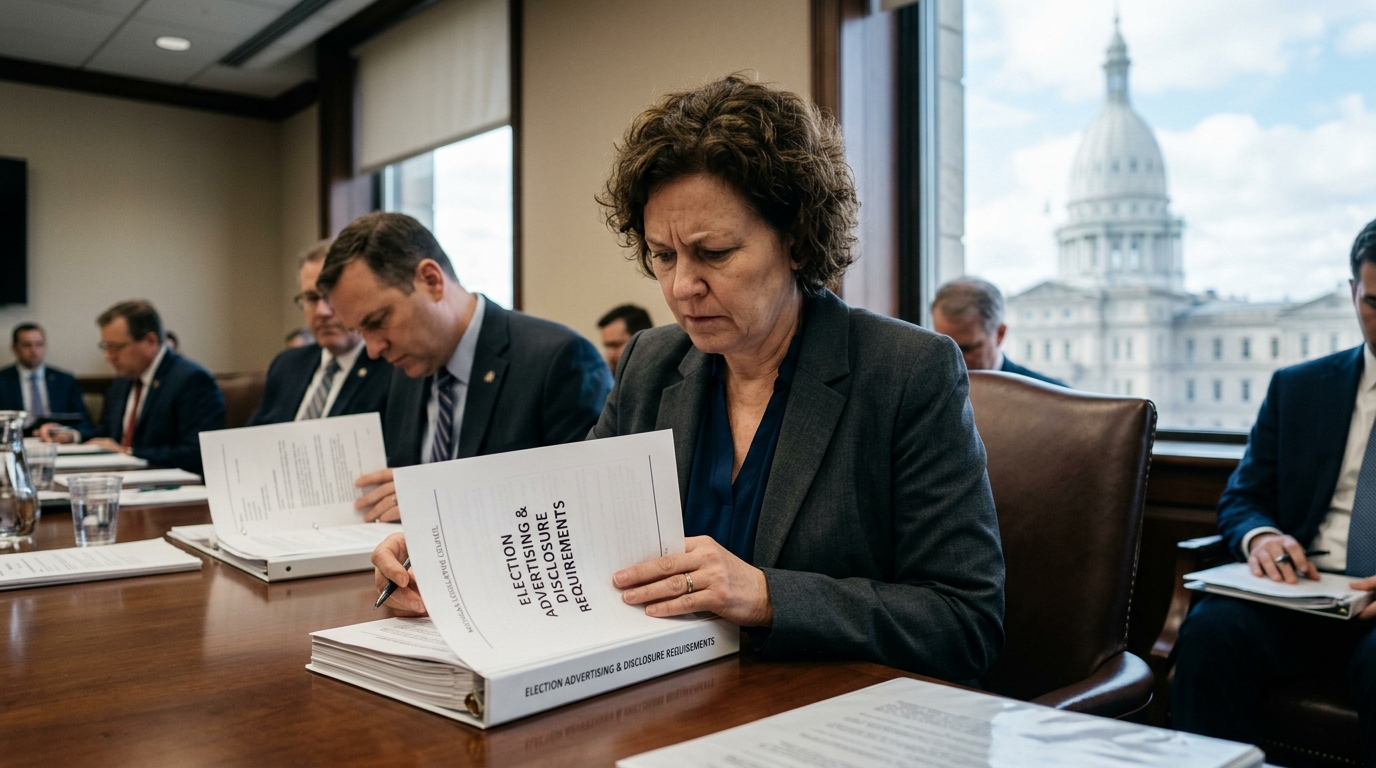
As we navigate the middle of 2026, the technological prowess of content generation has reached a zenith where the line between reality and digital fabrication is nearly invisible to the naked eye. A recent campaign advertisement in Michigan has transcended local politics to become a flashpoint in the global struggle to regulate Generative AI (GenAI). The ad, which utilized synthetic tools to alter backgrounds and enhance vocal cadences, has prompted immediate scrutiny from regulators and civil rights advocates alike, raising fundamental questions about the future of democratic discourse.
The Regulatory Maze and the Challenge of Enforcement
Michigan was a pioneer in the United States, enacting stringent AI disclosure laws in late 2023. These statutes mandate that any political content substantially altered by AI must carry a clear disclaimer if it depicts individuals saying or doing things they never actually did. However, the ad in question occupies a precarious 'gray zone.' It didn't create a complete fabrication—a traditional deepfake—but rather used GenAI to 'beautify' the scene and inject emotional resonance through synthetic environmental sounds and lighting adjustments that were absent during filming.
Critics argue that even these 'minor' enhancements constitute a form of psychological manipulation. When a voter views an ad, they subconsciously process cues about a candidate's authenticity. If the environment is algorithmically engineered to evoke specific emotions—such as anxiety or patriotic fervor—without explicit disclosure, the democratic process is arguably compromised. The central question for 2026 is: where does creative editing end and systemic deception begin?
The Voter's Dilemma and the 'Liar's Dividend'
One of the most insidious phenomena of the current electoral cycle is the 'Liar's Dividend.' As the public becomes increasingly aware that AI can manufacture anything, politicians have gained a potent new defense: they can claim that authentic, incriminating evidence—such as a leaked video of misconduct—is merely a sophisticated AI forgery. The Michigan incident feeds into this pervasive skepticism. When ads blur the lines of reality without transparency, they erode the very foundation of public trust.
- The collapse of visual and auditory evidence as a source of truth.
- The inability of regulatory bodies to enforce penalties within the fast-paced 'news cycle' of an election.
- The growing necessity for comprehensive digital literacy programs for the electorate.
Analysts suggest that GenAI enables campaigns to generate thousands of hyper-personalized ad variations, tailored to the psychological profiles of individual users. This 'micro-targeting on steroids' means that every voter might be living in a slightly different version of reality, making a unified national conversation nearly impossible.
Future Oversight and Global Precedents
The situation in Michigan is being closely monitored by international bodies, including the European Commission, which is currently refining the implementation of the EU AI Act. Yet, technology consistently outpaces the slow machinery of legislation. By the time a court determines if a specific ad violated disclosure rules, the ballots have often already been cast and the results certified. The solution may lie not just in legal frameworks, but in technological countermeasures: digital watermarking and content provenance tracking are becoming essential infrastructure for news organizations and social platforms.
"Democracy relies on a shared understanding of basic facts. Generative AI threatens to dissolve that common ground, turning politics into a war of competing algorithms rather than a debate of ideas," notes a senior political analyst at the University of Michigan.
In conclusion, the Michigan controversy is merely the tip of the iceberg. As major elections loom across the globe in late 2026, the need for a new social contract regarding truth in the digital sphere has never been more urgent. Technology may be neutral, but its application in the pursuit of power is anything but.