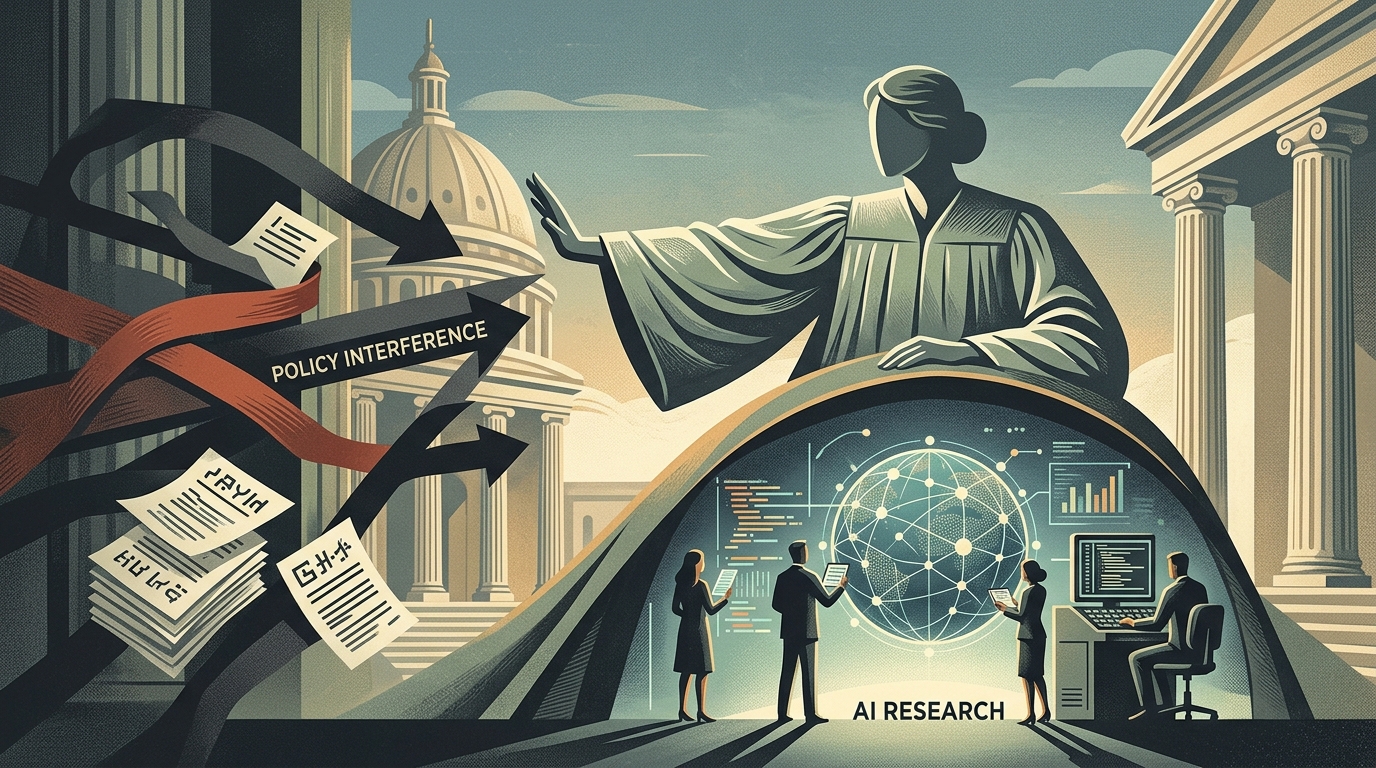
The imagery of a political congress in Greece traditionally evokes party slogans, ideological clashes, and organizational reshuffling. However, the recent New Democracy (ND) party congress offered a distinct departure, shifting the focus from the past to a tech-driven future. Prime Minister Kyriakos Mitsotakis’ intervention in a dedicated panel on Artificial Intelligence (AI) was far from a mere formality; it was a clear statement of intent. AI has now become the central pillar of the government’s strategic roadmap for the coming years.
Digital Transformation as a National Imperative
During the discussion, the Prime Minister emphasized that AI is no longer a science fiction scenario but a tool for daily governance. Greece, having already made significant strides in digital transformation through gov.gr, is now poised to enter the era of "smart" administration. Mitsotakis spoke extensively about the need for the country to evolve from a mere consumer of technology to a co-shaper of European developments. The establishment of the High-Level Advisory Committee on AI, featuring world-renowned scientists like Constantinos Daskalakis, marks the first step in this ambitious journey.
The vision presented focuses on three core sectors: Healthcare, Education, and Civil Protection. In Healthcare, AI can facilitate faster diagnosis and personalized treatment while simultaneously reducing operational costs. In Civil Protection, the use of predictive models for forest fire and flood prevention is considered critical for shielding the nation against the climate crisis. The Prime Minister stressed that technology must act as a "power multiplier" for the state, offering services that were previously thought impossible.
Ethics, Transparency, and the Fear of Replacement
A significant portion of the panel was dedicated to the challenges and inherent risks. Mitsotakis did not shy away from addressing public anxiety regarding job displacement and the ethical use of data. He argued that the transition must be "human-centric," ensuring that AI complements rather than replaces human judgment. The European AI Act serves as the framework within which Greece will operate, seeking a delicate balance between fostering innovation and protecting fundamental rights.
"Artificial intelligence will not replace humans, but humans who use AI will replace those who do not," he noted, highlighting the educational challenge the country faces.
Investment in skills—upskilling and reskilling—emerged as a top priority. The state is tasked with preparing the workforce for a rapidly changing labor market by integrating computer science and data analysis into every level of education. Greece aims to attract "digital nomads" and investments from tech giants, leveraging its geopolitical advantage and high-caliber scientific talent.
The 'mAI' Assistant and the New State-Citizen Relationship
Special mention was made of the digital assistant "mAI," which is already in pilot operation, allowing citizens to communicate with the public sector using natural language. This tool represents the cutting edge of the fight against bureaucracy. Instead of navigating labyrinthine websites for information, citizens can rely on AI to provide immediate answers and guide them through administrative requests. This paradigm shift promises to restore citizen trust in the state by making administration more transparent and efficient.
In conclusion, Kyriakos Mitsotakis’ presence at the AI panel signals a strategic political choice: technology is no longer a peripheral issue but the "operating system" of modern Greece. The challenge now moves to the field of implementation, where theory must be translated into practice, ensuring that the benefits of AI permeate all levels of society rather than just a digital elite.