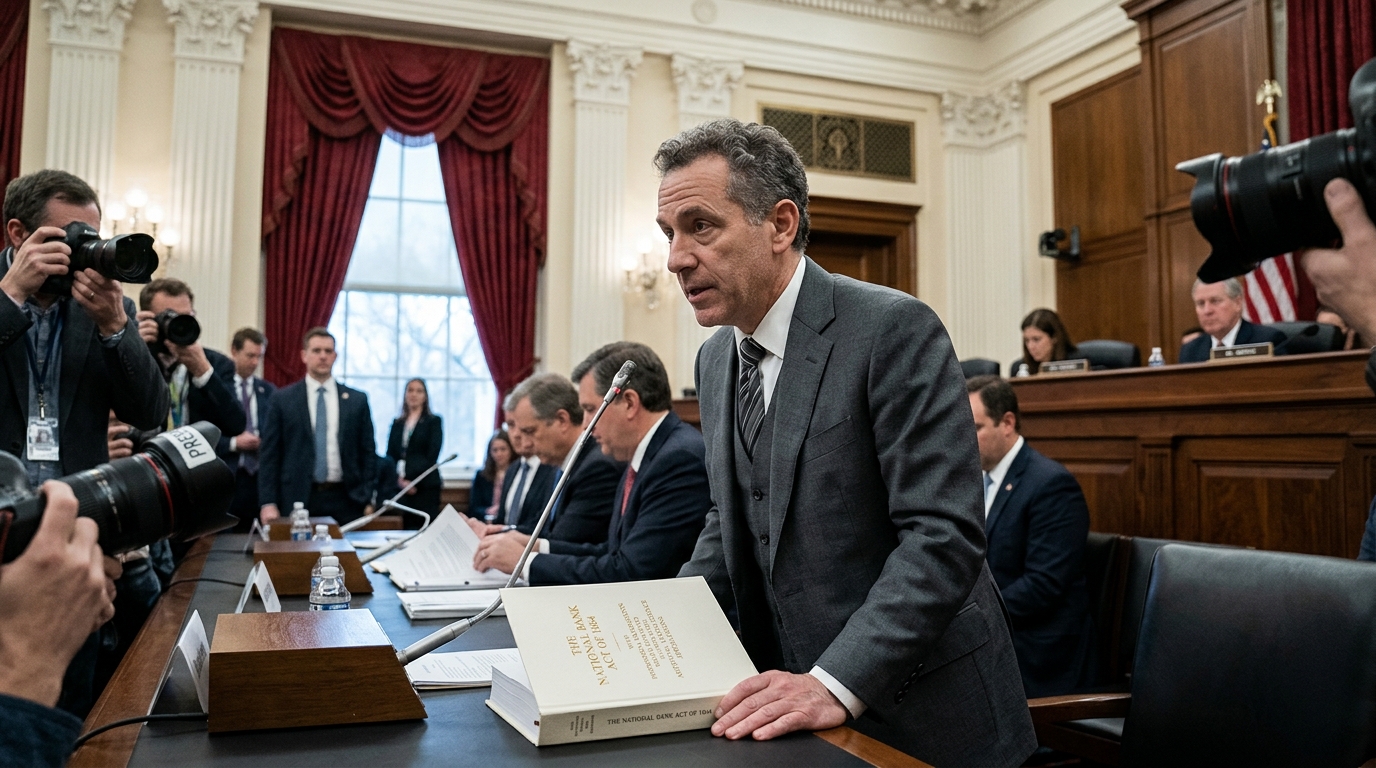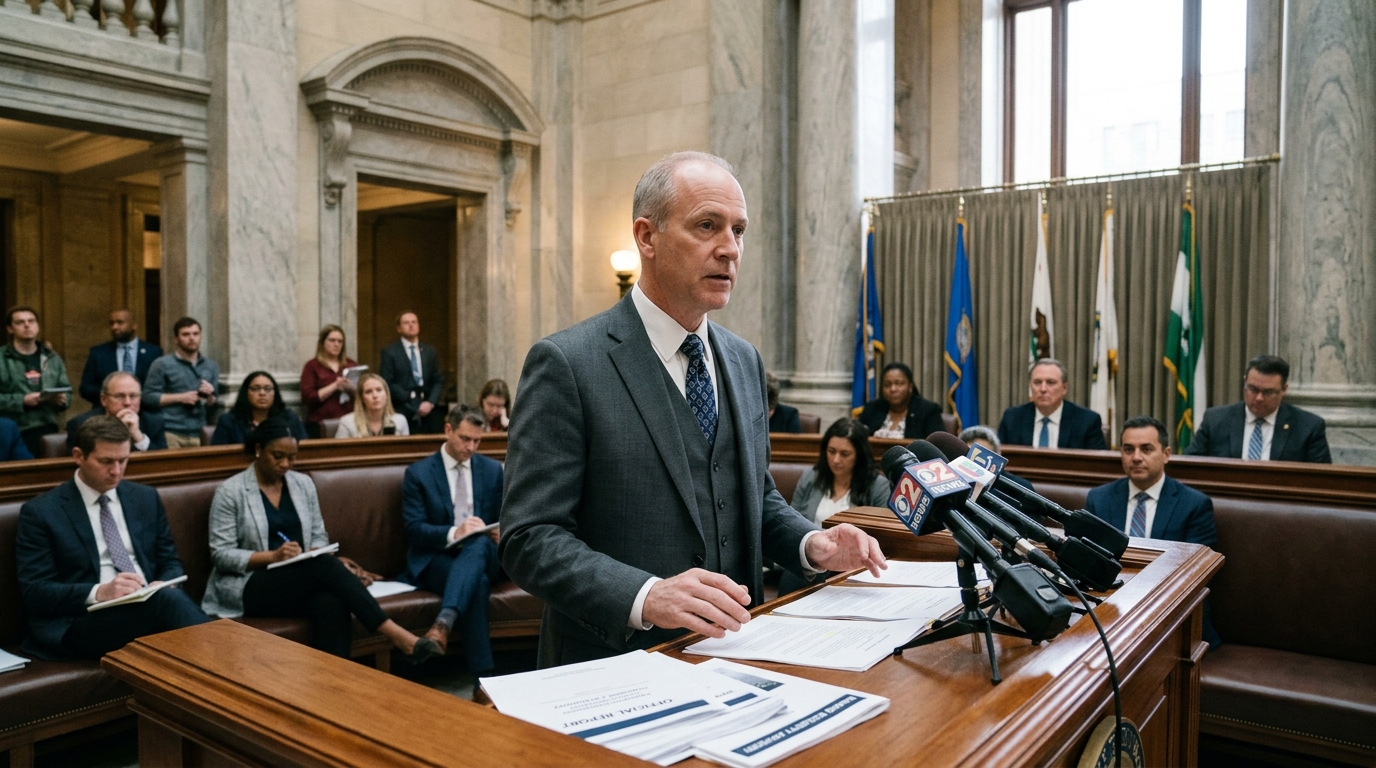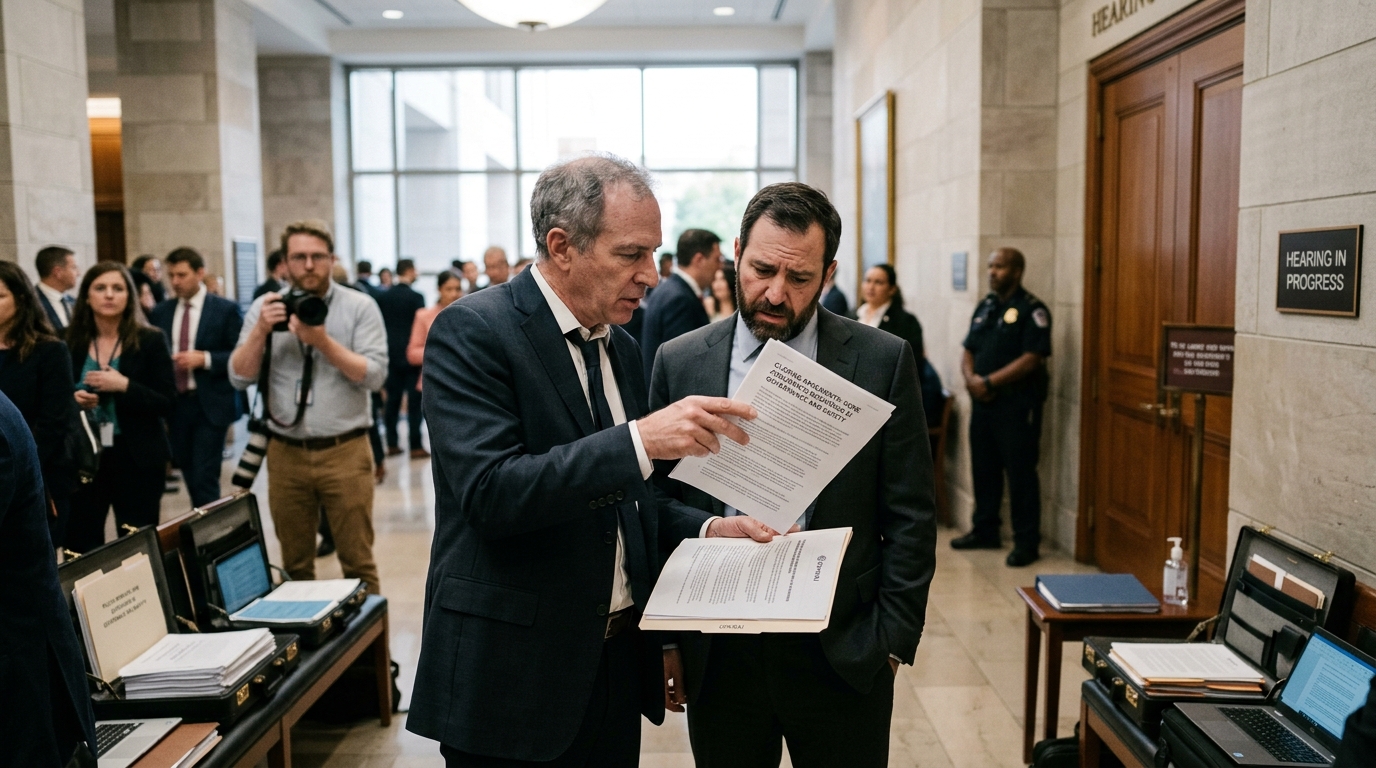
In the heart of Silicon Valley, a courtroom has become the stage for the most significant ideological and legal battle in modern technological history. As lawyers for Elon Musk and OpenAI begin their closing arguments, the stakes are not merely financial damages or corporate control, but the very definition of Artificial General Intelligence (AGI) and whether it belongs to humanity or to corporate shareholders.
The Rupture of a Vision
The case, initiated by Musk’s lawsuit against OpenAI, Sam Altman, and Greg Brockman, centers on the allegation that the company betrayed its original mission. Musk, a co-founder and primary initial financier, argues that OpenAI was established as a non-profit dedicated to developing AGI for the benefit of humanity, insulated from commercial interests. According to Musk’s side, OpenAI’s close partnership with Microsoft and its transition to a 'capped-profit' model represents a flagrant breach of the 'Founding Agreement.'
Musk’s legal team presented a series of documents and emails dating back to 2015, arguing that OpenAI has morphed into a 'closed-source de facto subsidiary' of Microsoft. The argument is simple yet potent: if OpenAI truly develops an intelligence that surpasses human capability, such technology cannot remain locked behind the walls of a company valued at hundreds of billions of dollars.
OpenAI’s Defense: Realism or Greed?
On the opposing side, OpenAI’s legal team is counterattacking with a dose of harsh realism. They contend that a formal, legally binding 'Founding Agreement'—as Musk describes it—never existed. Instead, they claim the structural shift was a matter of survival. Developing AGI requires computational power and capital that only large markets and strategic partnerships can provide.
“Elon Musk cannot accept that OpenAI succeeded without him,” one of the company's attorneys stated pointedly. The defense focuses on the fact that Musk once attempted to gain full control of OpenAI or merge it with Tesla; when that failed, he decided to fight it through the courts. For OpenAI, the lawsuit isn't about ethics—it's about ego and competition, especially following the launch of his own AI venture, xAI.
Implications for the AI Ecosystem
The court's decision is expected to set a massive legal precedent. Should the court rule in favor of Musk, OpenAI might be forced to open-source its models, such as GPT-5, or completely restructure its relationship with Microsoft. Such a move would send shockwaves through the market, affecting billions in investments that rely on the exclusivity of the technology.
Furthermore, the trial brings the question of governance to the forefront: Who decides when an AI reaches the level of AGI? Currently, that decision rests with OpenAI’s board. If the court intervenes, we may see the entry of regulators into processes previously considered purely corporate. The future of 'open' versus 'closed' AI hangs in the balance, and the verdict will determine whether AI is treated as a public good or as the ultimate commercial product of the 21st century.