In the heart of the American West, the state of Montana is becoming the center of a quiet but decisive revolution in educational policy. As we move through 2026, the state's school boards, under the guidance of the Montana School Boards Association (MTSBA), are moving away from initial fear-based reactions and adopting a structured framework for the use of Artificial Intelligence (AI) in schools.
From Prohibition to Pragmatism
When ChatGPT and similar generative AI tools first appeared, the initial reaction of many school districts was a total ban. Fears of widespread plagiarism and concerns about the erosion of critical thinking dominated the conversation. However, reality proved different. Students continued to use these tools outside the school environment, creating a digital divide between those who knew how to use them constructively and those who simply exploited them to bypass assignments.
Montana's shift toward adopting guidelines rather than bans is an admission that AI is now an integral part of the modern professional and social landscape. The new guidelines aim to teach students 'AI literacy' as a fundamental skill, while ensuring that academic integrity remains at the heart of the educational process.
The MTSBA Framework: Safety and Ethics
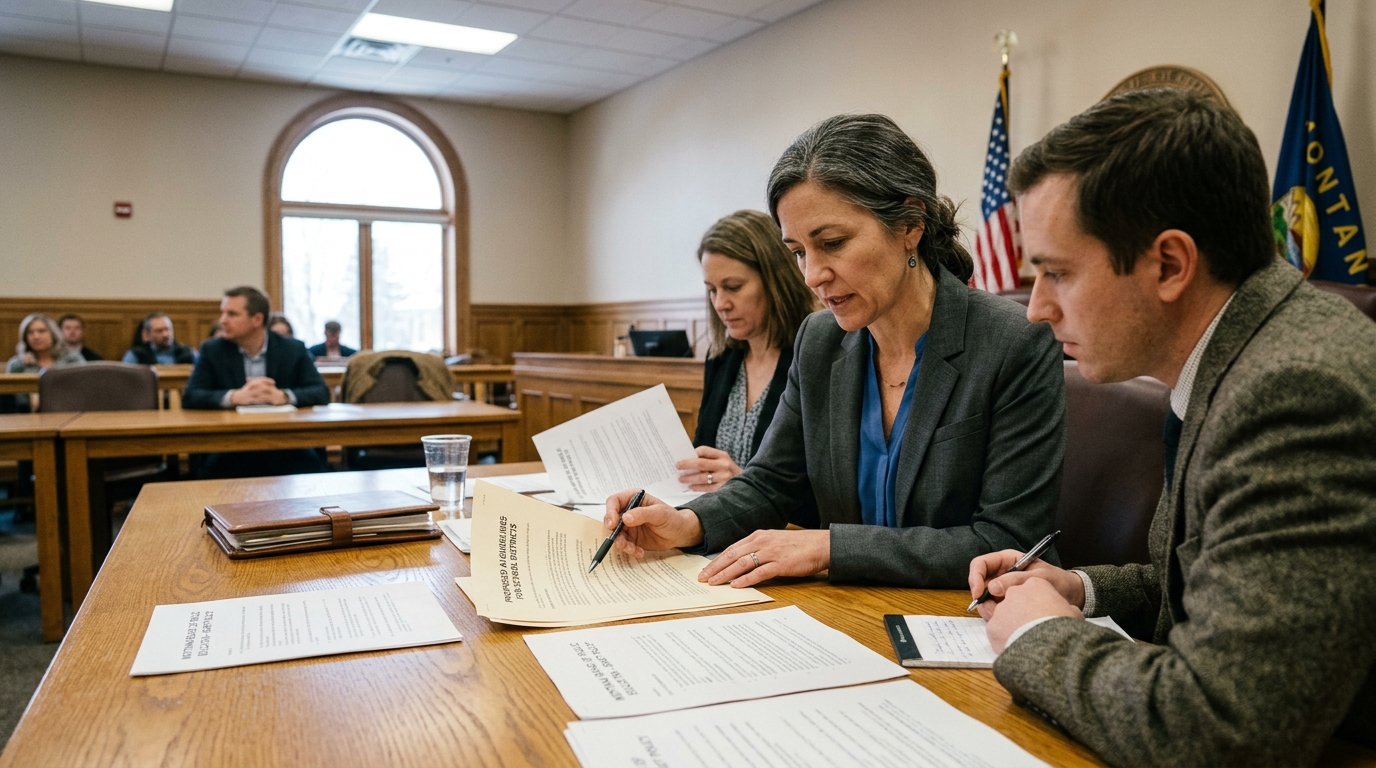
The guidelines being promoted are not merely technical manuals, but deeply ethical documents. One of the primary focus areas is the protection of student data privacy, in compliance with federal laws such as FERPA and COPPA. School boards are now required to evaluate every AI tool not only for its educational value but also for how it handles the data of minors.
- Transparency: Students must disclose when and how they used AI in their assignments.
- Critical Evaluation: The curriculum is being enriched with lessons on identifying AI 'hallucinations' and inherent algorithmic biases.
- Equity: Ensuring that all students, regardless of socioeconomic status, have access to the same advanced tools within the school setting.
"We cannot prepare students for 2030 with the tools and bans of 2010," a representative from the MTSBA noted. "The challenge is to integrate technology without losing the human connection that defines learning."
Challenges in Rural Districts
Montana, with its vast distances and many small, rural school districts, faces unique challenges. In many cases, AI can act as an equalizer, providing personalized support to students who do not have access to specialized tutors or a wide range of elective courses. However, the lack of high-speed internet infrastructure remains an obstacle to the full implementation of these guidelines in certain areas.
Furthermore, teacher training is the 'key' to success. Educators in Montana are being asked to redefine their roles: moving from being the sole sources of knowledge to becoming mentors and orchestrators of learning, where AI serves as a teaching assistant for routine grading or the creation of personalized exercises.
Conclusion: A Model for the Future
The gradual adoption of guidelines in Montana demonstrates that educational policy can be flexible. Instead of a top-down mandate from the federal government, the 'bottom-up' approach allows each community to tailor technology to its own needs. The challenge for the coming years will be maintaining the balance between technological convenience and the deep, meaningful learning that requires effort and critical thinking.