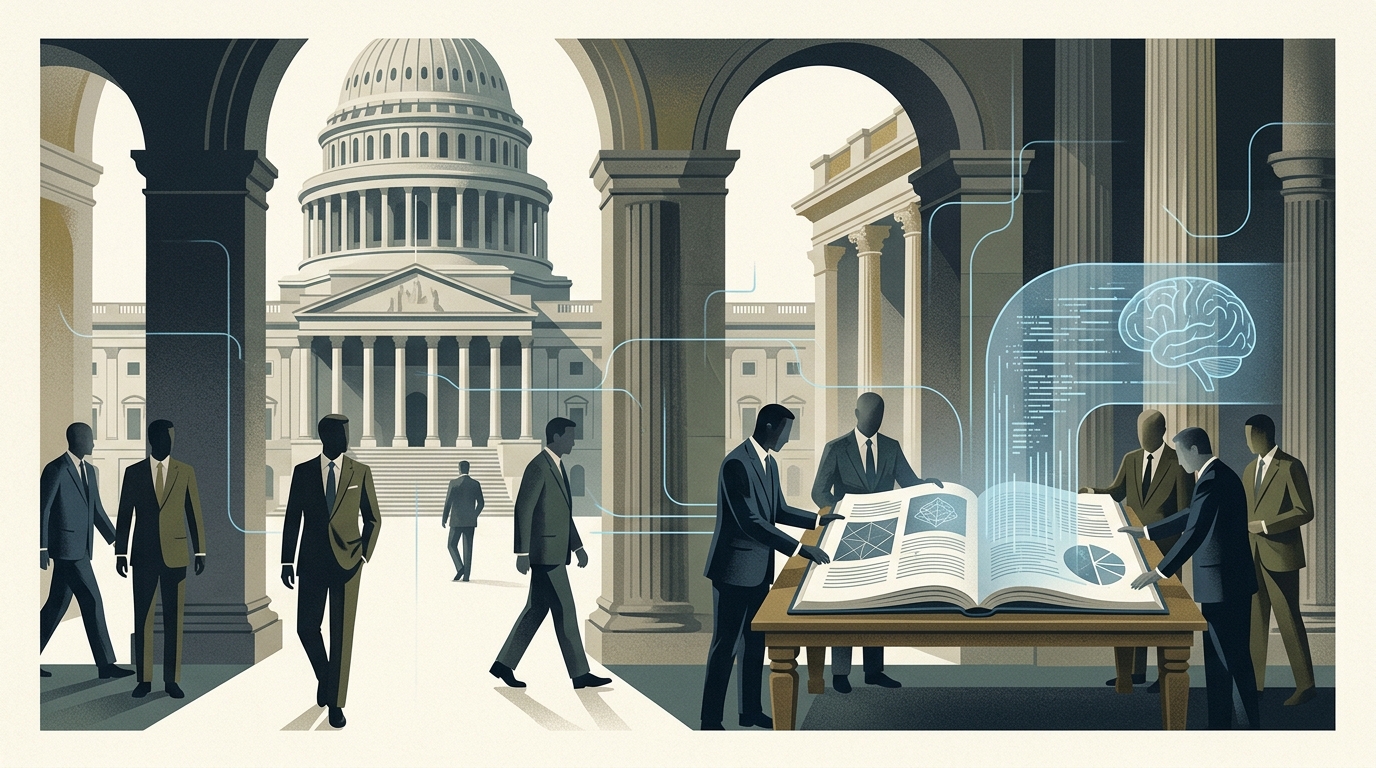
In an era where the line between reality and digital fabrication is becoming increasingly blurred, the need for a clear regulatory framework in journalism has become imperative. The recent initiative by Vietnam’s Ministry of Information and Communications (MIC) to mandate labeling for any journalistic work utilizing Artificial Intelligence (AI) is not merely local news; it is the prelude to a global shift in how we consume information. This move highlights the fundamental question of our time: How can public trust survive when the "author" of a news story may not be a human, but an algorithm?
The Anatomy of New Regulation and the Demand for Transparency
The decision to introduce infographics and clear markings in media outlets aims to protect the public from misinformation and deepfakes. According to the new guidelines, any text, image, or video created or significantly edited by Generative AI tools must bear a distinct label. This "digital watermark" is not just a technical detail; it is an ethical commitment to the reader.
Journalism, as a pillar of democracy, is built on accountability. When a journalist bylines an article, they take responsibility for the accuracy of their words. In the case of AI, this responsibility becomes diffused. Algorithms can produce hallucinations, replicate biases, or distort facts with terrifying speed. Mandatory labeling acts as a warning light, allowing the reader to approach content with the necessary critical thinking. Furthermore, this regulation encourages news organizations to maintain a "human-in-the-loop" approach, ensuring that technology remains a tool rather than a replacement for human judgment.
Global Trends and the European Framework
Vietnam is not alone in this endeavor. The European Union, through the AI Act, has already laid the groundwork for similar transparency requirements. The core idea is shared: the public has the right to know if they are interacting with a machine. However, implementing these rules poses significant challenges. Where does "assistance" end and "creation" begin? Does a grammar correction tool based on AI require a label? Or should labeling be reserved only for content generated entirely from prompts?
Experts warn of the risk of "label fatigue." If every article carries a warning, readers might eventually ignore them, reducing the measure's effectiveness. Nevertheless, the media industry seems to be leaning toward adopting standards like C2PA (Coalition for Content Provenance and Authenticity), which allows for tracking the origin of content through metadata. Technology, therefore, is called upon to solve the problems it created, establishing an unalterable history of digital information.
Ethical Dilemmas and the Future of News
Beyond technical specifications, mandatory labeling touches the essence of journalistic ethics. There is a fear that labeling content as "AI-generated" might stigmatize innovation. Some argue that if the result is accurate and of high quality, the method of production should not matter. However, journalism is not just about the final product; it is about the process of research, verification, and ethical weighing.
In the future, the success of news organizations will depend on their ability to combine the speed of AI with the validity of a human signature. Mandatory labeling, as proposed by Vietnam and other jurisdictions, is the first step toward a new social contract between media and the public. In this contract, transparency is not a burden but the most valuable currency. As we move toward 2027, a media outlet's ability to prove the authenticity of its content will be what distinguishes it from the ocean of synthetic noise flooding the internet. Journalism is not dying because of AI; instead, it is being forced to return to its roots: the pursuit of truth at all costs.