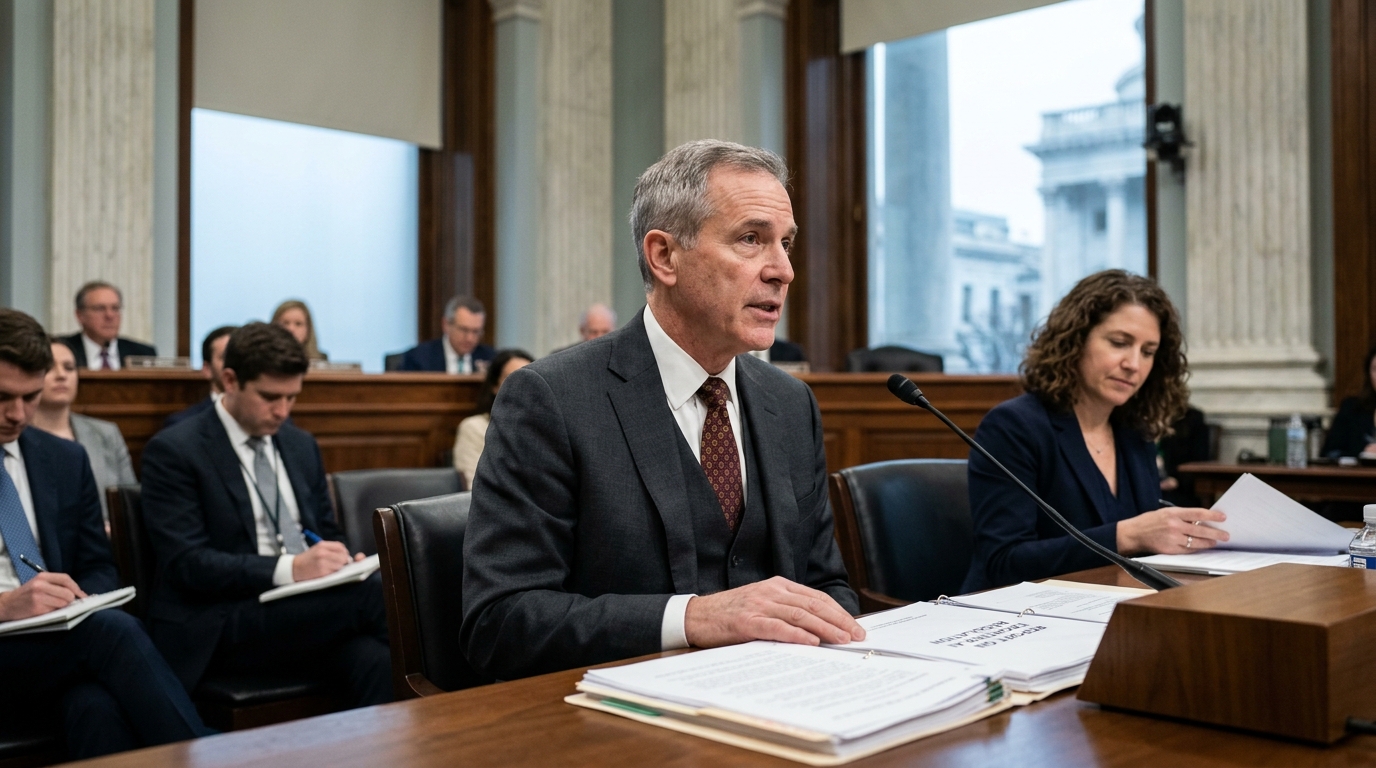
In a move set to reverberate through Silicon Valley and redraw the geopolitical boundaries of technology, US Commerce Secretary Howard Lutnick has issued a stark warning to Anthropic PBC. According to documents obtained by Bloomberg, the letter clarifies that access to the company’s most advanced AI models by foreign nationals is no longer a private corporate matter, but a national security issue requiring explicit government authorization.
The 'Deemed Export' Hammer
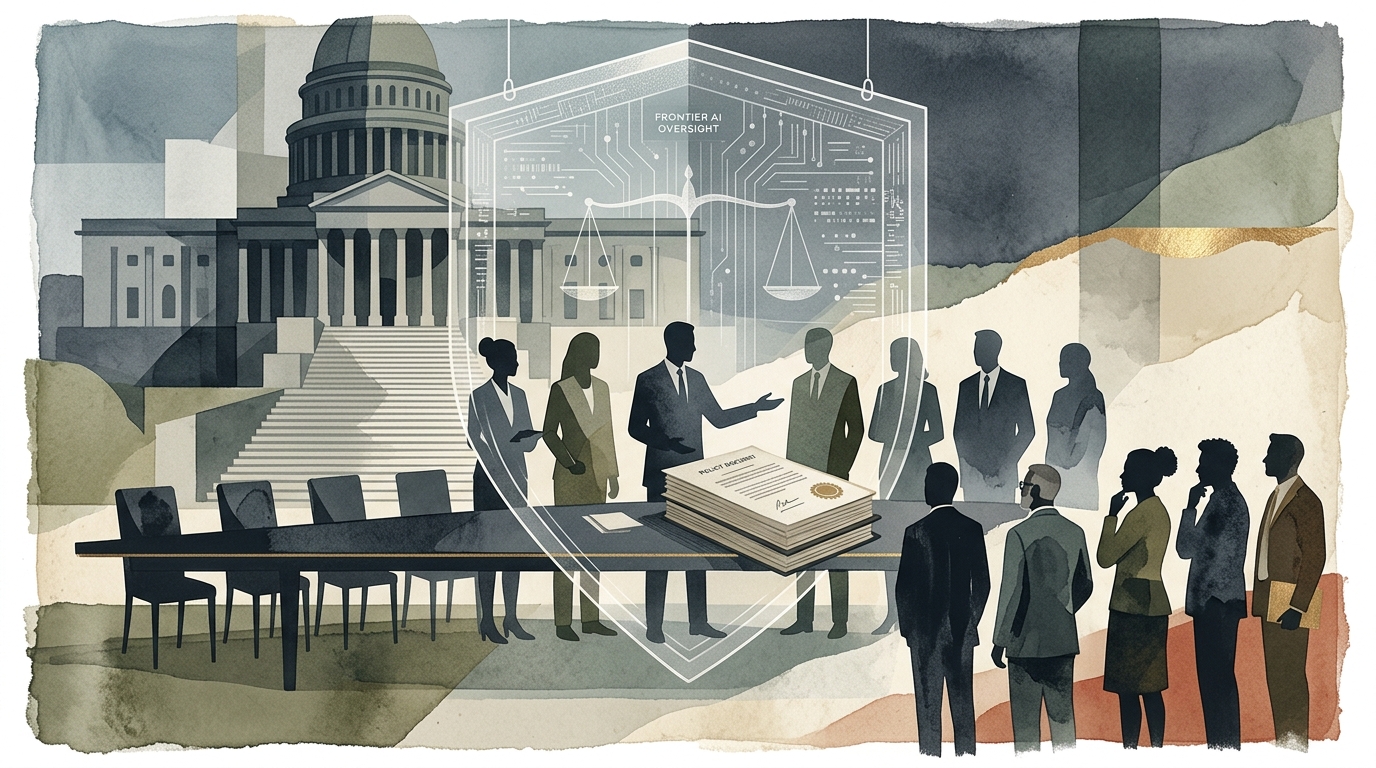
The legal foundation for Lutnick’s intervention is the concept of 'deemed exports.' Under this regulatory framework, sharing sensitive technology or source code with a foreign national within US borders is legally equivalent to exporting that technology to the individual’s home country. While historically applied to nuclear physics and aerospace engineering, the US government in 2026 appears determined to apply it with full force to Large Language Models (LLMs).
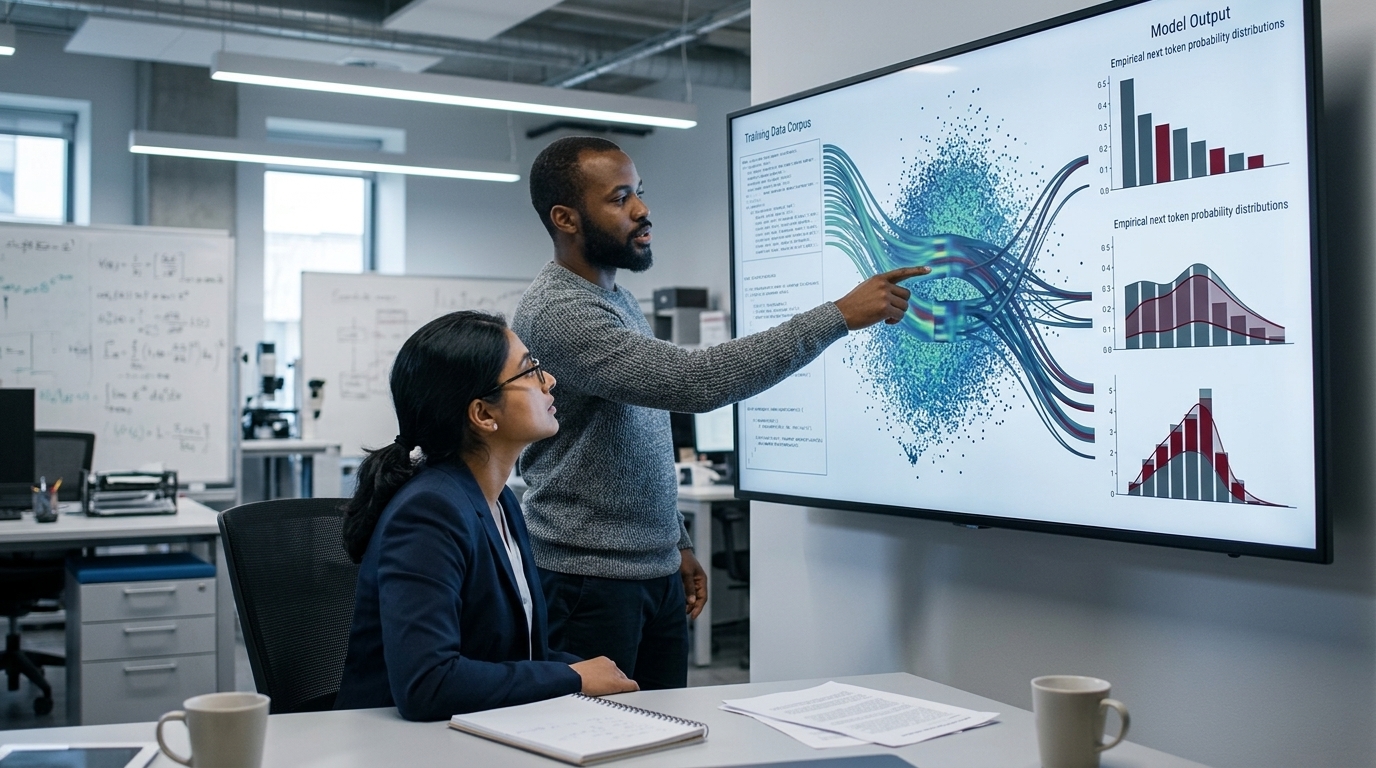
Anthropic, widely seen as the primary rival to OpenAI and Google, now finds itself in a precarious position. The letter warns of both civil and criminal penalties if the firm allows employees or researchers from 'countries of concern'—a clear reference to China, Russia, and Iran—to access model weights or the massive compute clusters used for training.
The Impact on Global Talent
Silicon Valley was built on its ability to attract the brightest minds from every corner of the globe. The Commerce Department's move threatens to sever this vital artery. If a company like Anthropic must navigate a bureaucratic labyrinth to hire a top-tier researcher from Beijing or Tehran who is already living in the US, the incentive for such collaboration plummets.
- Research Stagnation: Restrictions could slow the development of new capabilities, as real-time collaboration is hindered by security clearances.
- Brain Drain: There is a growing fear that talent will migrate to jurisdictions with less stringent controls, such as Europe or the UAE.
- Legal Precedent: Anthropic is likely just the beginning; similar missives are expected to land on the desks of executives at OpenAI and Meta.
Geopolitical Chess and National Security
From Washington’s perspective, this stance is a necessary defense. Artificial intelligence is no longer viewed as a mere commercial product, but as a dual-use technology with profound military implications. The ability of frontier models to assist in writing code for cyberattacks or designing biological agents has deeply alarmed intelligence agencies. 'We cannot allow our adversaries to weaponize our own innovation against us,' said a source close to Lutnick.
'The era of innocence for AI is over. Every line of code is now a potential weapon in the global arena,' note national security analysts.
Anthropic has remained officially silent, though internal sources express concern over how these restrictions will impact their mission of building 'safe and aligned' AI. The irony is palpable: a company founded on the principle of safety is being told that 'safety' is now defined by borders and citizenship, rather than just technical robustness.
Conclusion: A Two-Tiered Tech World
Lutnick’s intervention signals the end of the dream of a unified, global scientific community in AI. If the US persists with this hardline approach, we will witness the emergence of two parallel technological ecosystems: a Western one, controlled and fortified, and an Eastern one, developing under its own set of rules. The ultimate question remains whether innovation can truly thrive within a container of strict state surveillance and institutionalized suspicion.