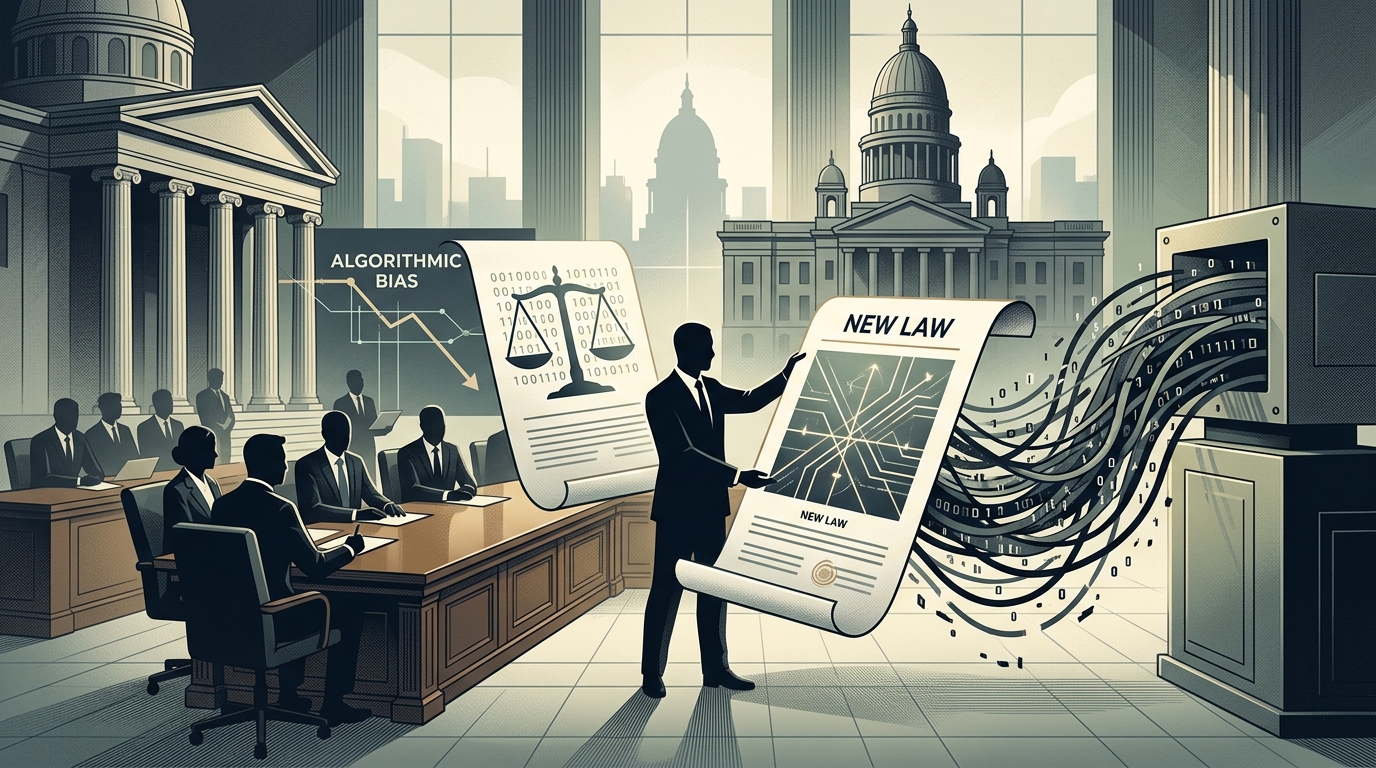
In a move expected to reshape the landscape of digital governance in the United States, the Governor of Illinois signed into law last week one of the most comprehensive Artificial Intelligence (AI) regulation bills in the nation. This legislation, arriving at a time when the federal government in Washington struggles to reach a unified framework, positions Illinois at the forefront of civil rights protection in the digital age. The bill directly aims to address the risks stemming from the unchecked use of algorithms in critical sectors such as employment, housing, and banking.
The Fight Against Algorithmic Discrimination
The heart of the new legislation beats around the concept of "algorithmic accountability." For years, activists and tech experts have warned that AI systems, while seemingly objective, often reproduce and amplify human biases. The new law requires companies developing or using "automated decision-making tools" to conduct regular audits for potential discrimination based on race, gender, or age.
Particular emphasis is placed on the recruitment sector. Many companies now use AI software to filter thousands of resumes or even analyze facial expressions of candidates during video interviews. Under the new framework, employers are required to inform candidates about the use of these tools and provide clear explanations of how decisions are made. This represents a massive step toward transparency, as until now, algorithms operated as "black boxes."
Protection from Deepfakes and Digital Deception
Beyond discrimination, the bill tackles the burning issue of deepfakes. As we navigate through 2026, the technology for creating false but highly realistic images and videos has reached levels that threaten social cohesion and personal dignity. The law criminalizes the creation and distribution of deepfakes intended to mislead voters or harass individuals through non-consensual pornographic material.
Social media platforms are now called upon to adopt stricter identification protocols for AI-generated content. "We cannot allow technology to undermine truth itself," the Governor stated during the signing ceremony. This regulation is considered crucial for safeguarding the democratic process, especially in view of future election cycles.
Reactions from the Tech Industry
Unsurprisingly, the reaction from the tech industry has been mixed. While major corporations like Microsoft and IBM have expressed support for certain aspects of the regulation, smaller startups express concerns about compliance costs. They argue that strict audits and transparency requirements might stifle innovation and drive investment to states with more flexible legislative frameworks.
- Compliance Costs: Companies will need to hire ethics experts and data auditors.
- Legal Liability: The law opens the door for lawsuits from citizens who feel they were wronged by an algorithm.
- Competitiveness: There is fear that Illinois will lose ground to tech hubs like Texas.
However, supporters of the law counter that public trust is a necessary prerequisite for the long-term success of AI. Without rules, consumer backlash could be far more damaging to the market than any regulation.
The Future of Regulation in the US
Illinois' move is not isolated. It follows the example of Colorado and California, creating what many call a "patchwork effect." In the absence of a federal law, each state enacts its own rules, forcing companies to navigate a complex web of varying requirements. This puts increasing pressure on Congress to take action for national legislation that would harmonize standards.
In conclusion, the new Illinois law represents a bold attempt to place a human-centric approach at the heart of technological evolution. Its success or failure will be judged by its practical application and whether it manages to protect the most vulnerable without halting the progress promised by Artificial Intelligence.