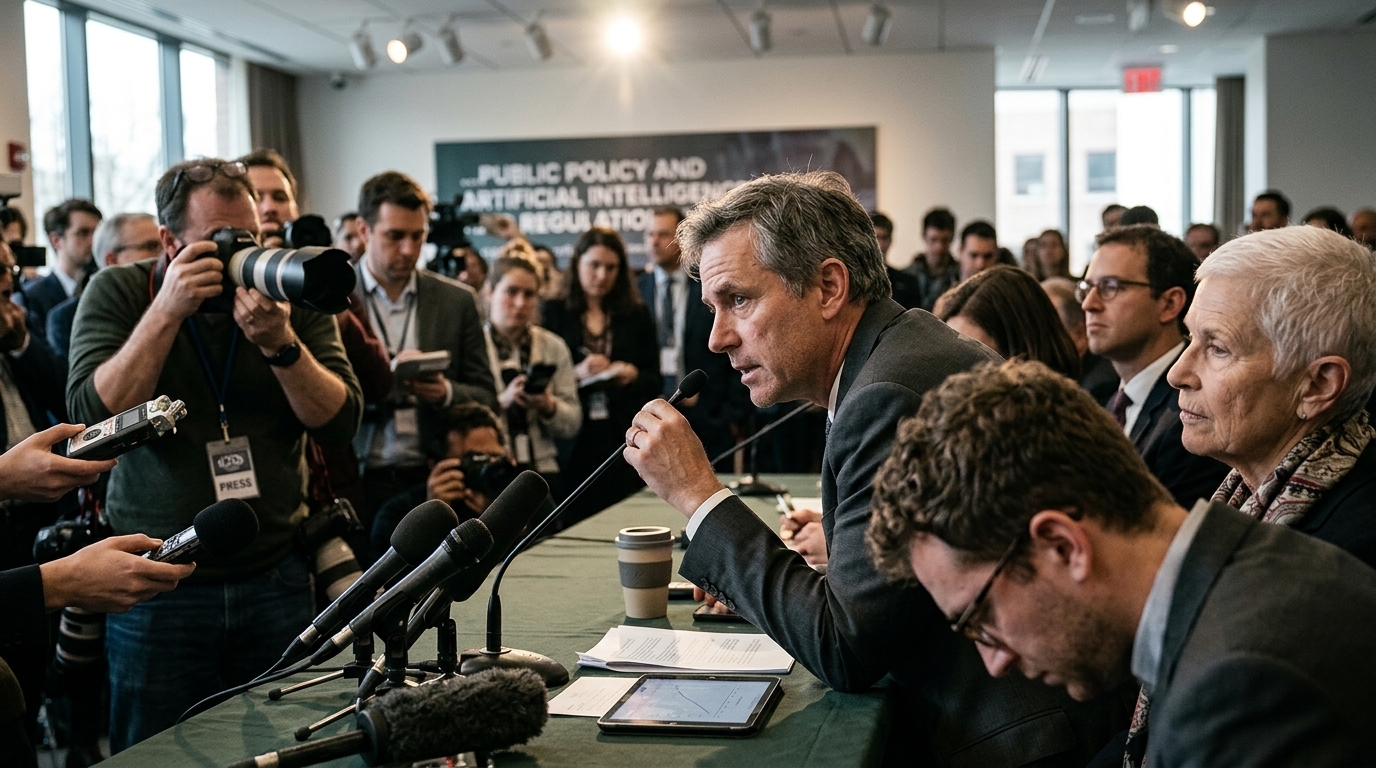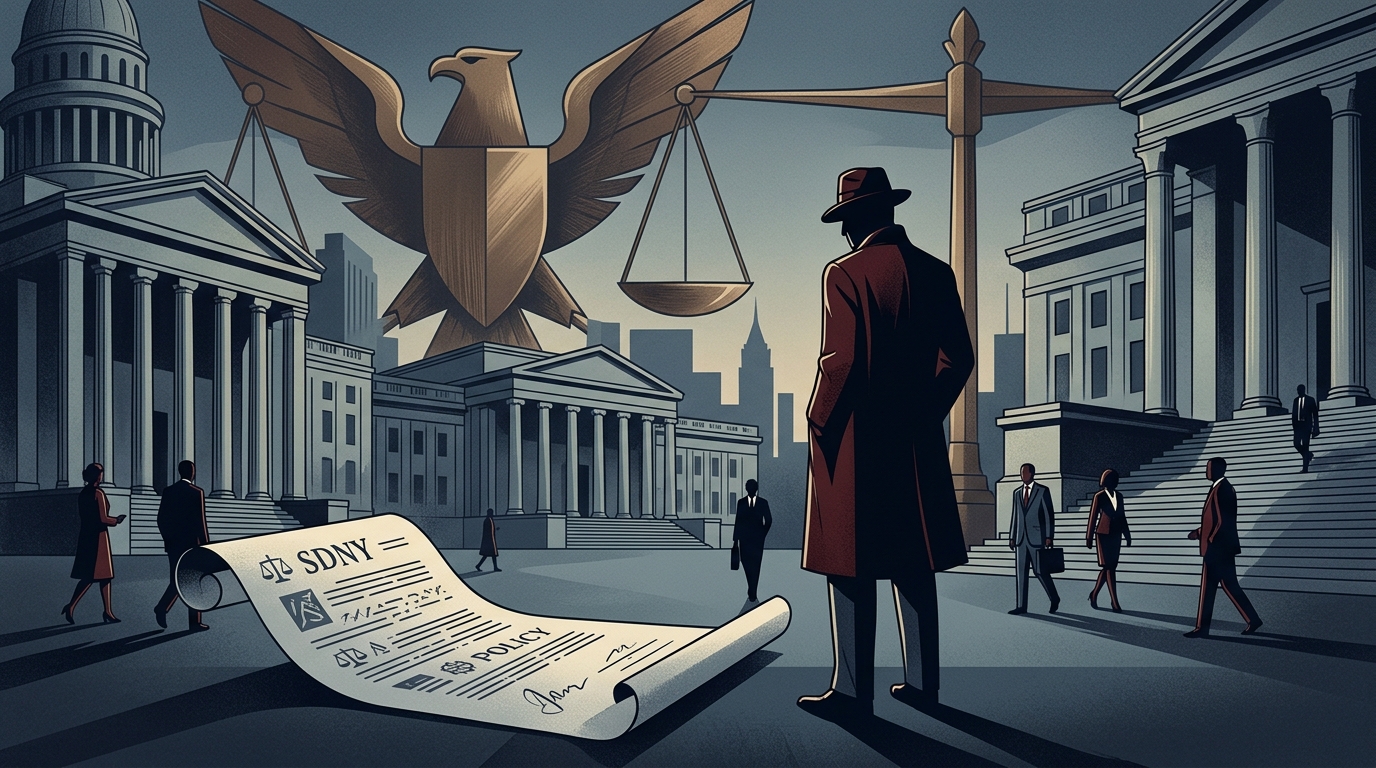
In a move poised to fundamentally alter the landscape of federal law enforcement in the United States, President Donald Trump has announced his intention to nominate James McDonald as the U.S. Attorney for the Southern District of New York (SDNY). This selection is far more than a routine administrative appointment; it serves as a definitive statement on how the second Trump administration intends to manage the crown jewel of the American legal system—a district often referred to as the 'Sovereign District' due to its storied independence and vast jurisdictional reach.
McDonald, a former enforcement director at the Commodity Futures Trading Commission (CFTC), brings a rare blend of technocratic expertise and regulatory rigor to the table. His tenure at the CFTC was marked by an aggressive yet methodical approach to the derivatives and cryptocurrency markets, earning him respect across both legal circles and the financial sector. However, his placement at the helm of the SDNY comes at a moment of profound political polarization, where the relationship between the White House and federal prosecutors is under unprecedented scrutiny.
The Weight of the Southern District
The SDNY is no ordinary prosecutor’s office. With jurisdiction over Manhattan, the Bronx, and several neighboring counties, it stands as the global epicenter for the prosecution of financial crime. Since the era of Rudy Giuliani in the 1980s, the SDNY has cultivated a reputation as the 'Sheriff of Wall Street,' spearheading cases involving insider trading, money laundering, and international terrorism. For Donald Trump, this district has historically been a source of significant legal friction, having hosted some of the most sensitive investigations into his business dealings and close associates.
Analysts interpret McDonald’s nomination as a strategic effort by Trump to install a 'trusted yet capable' leader in a pivotal position. Unlike other more controversial appointments, McDonald is viewed as a legal professional capable of navigating the delicate balance between political alignment and institutional integrity. His primary challenge will be to demonstrate that the SDNY will remain the independent bastion of justice it has always been, steering clear of accusations that the law is being weaponized against political adversaries.
The McDonald Agenda: Wall Street and Beyond
Given his background at the CFTC, McDonald is expected to prioritize purging markets of fraud, but perhaps through a lens more conducive to business growth than some of his predecessors. The Trump administration has consistently voiced a desire for deregulation, and McDonald will be tasked with implementing this agenda without allowing for corporate malfeasance. His expertise in digital assets will be particularly critical, as New York remains the global hub for the regulation of the burgeoning crypto-economy.
Furthermore, under McDonald’s leadership, the SDNY is anticipated to sharpen its focus on national security and cybercrime. Relations with foreign powers and the fight against industrial espionage will likely sit high on the agenda, aligning with Trump’s broader foreign policy objectives. Yet, the looming question remains: how will he handle ongoing cases involving individuals close to the President? The answer to this will define his legacy and the continued credibility of the office.
Political Fallout and the Confirmation Path
The announcement of McDonald’s nomination triggered immediate reactions on Capitol Hill. While Republicans hailed the choice as a victory for experience over ideology, Democrats expressed significant reservations. The Senate, which must confirm the appointment, is expected to subject McDonald’s record to exhaustive scrutiny. Inquiries will likely focus on his commitment to maintaining independence from the Department of Justice and the White House, especially in matters involving executive privilege.
In an era where trust in institutions is being tested to its limits, the role of the U.S. Attorney in New York takes on almost mythical proportions. James McDonald is not just being asked to manage an office; he is being asked to convince the American public that the law is applied equally to all, regardless of political affiliation. If he succeeds, he could serve as the bridge American justice needs to restore its prestige. If he fails, the SDNY risks being reduced to another theater of partisan conflict, losing the aura of the 'Sovereign District' forever.