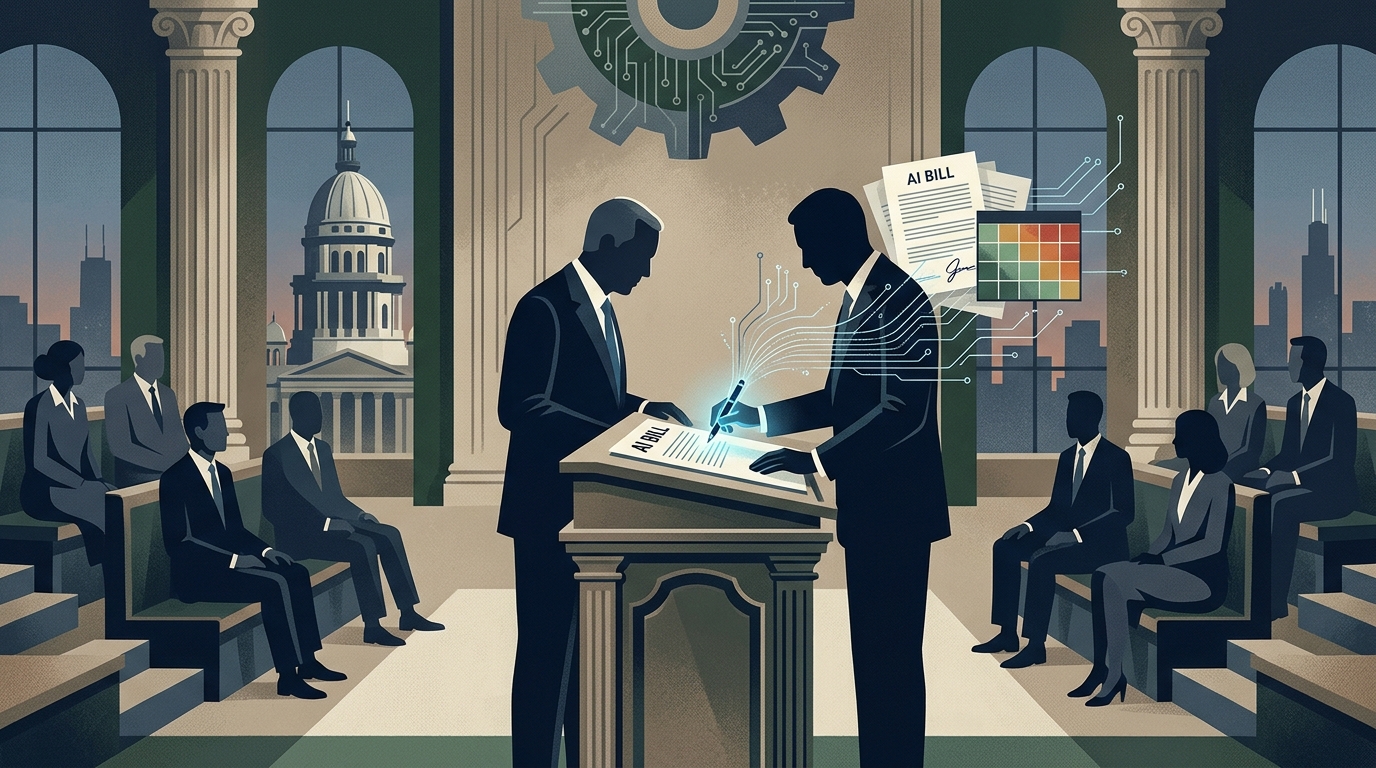
In a move that solidifies Illinois' position as a leader in high-tech regulation within the United States, Governor J.B. Pritzker has signed a series of legislative acts aimed at curbing the risks posed by the unchecked use of Artificial Intelligence (AI). The bill, which received broad support, focuses on two critical pillars: combating algorithmic discrimination in employment and protecting citizens from the malicious use of deepfakes.
Safeguarding the Labor Market from Invisible Bias
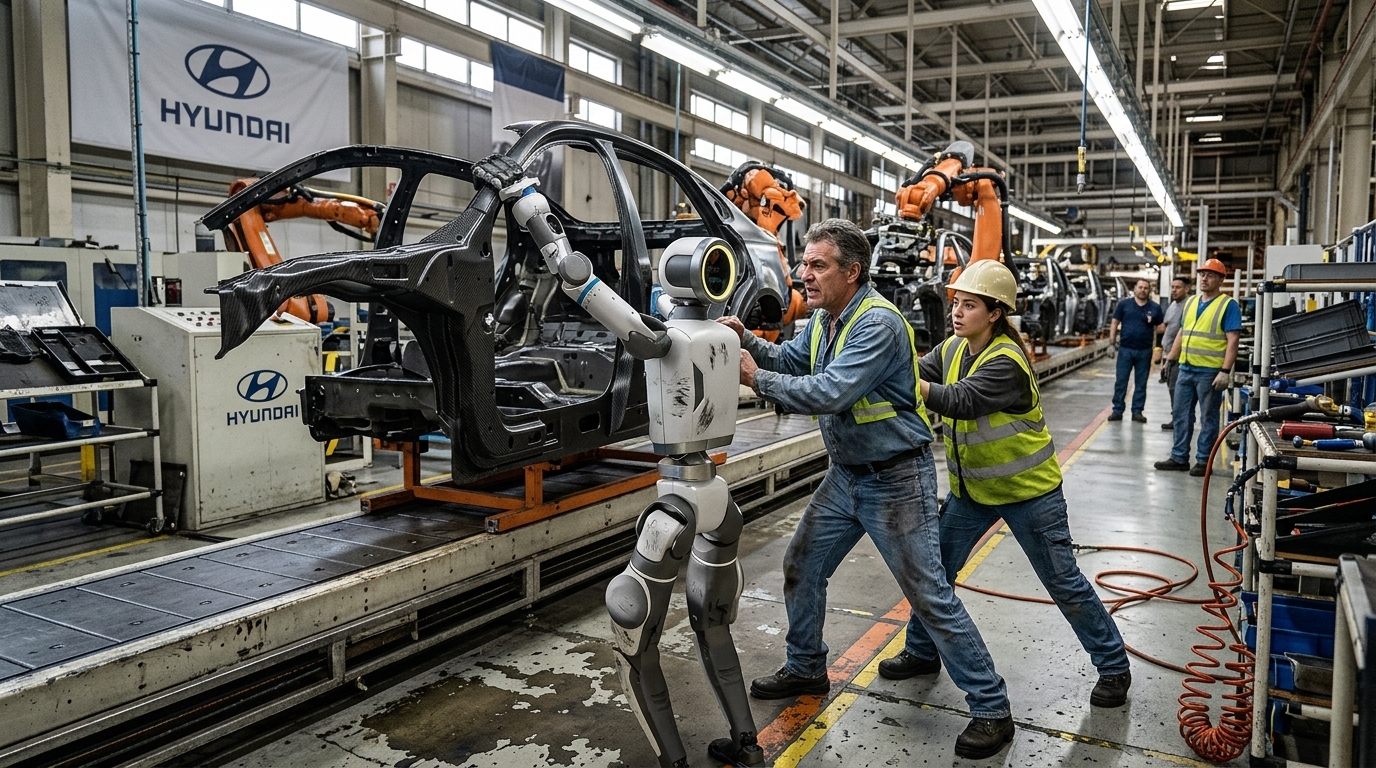
One of the most progressive elements of the new legislation is the prohibition of using algorithms that incorporate bias during the hiring, promotion, or termination processes. As more businesses rely on AI systems to screen resumes and evaluate personnel, the risk of 'digital racism' or gender discrimination has skyrocketed. Illinois now requires companies to conduct annual audits of the AI systems they use, ensuring that algorithms do not exclude candidates based on race, gender, age, or disability.
This move is not accidental. Illinois has a long tradition of privacy protection, having enacted the landmark Biometric Information Privacy Act (BIPA), which has cost tech giants billions in fines. With the new AI legislation, the state is sending a clear message: innovation cannot be an excuse for circumventing labor rights. Employers must now be transparent about when and how they use automated decision-making systems, giving employees the right to know the criteria of their evaluation.
Deepfakes and the Protection of Digital Likeness
Beyond the workplace, the bill addresses the dark side of Generative AI. The rapid spread of deepfakes—videos or images manipulated to show someone doing or saying something that never happened—has created a crisis of trust and security. The new law criminalizes the creation and distribution of non-consensual deepfake pornographic content, while also setting strict rules for the use of individuals' digital likeness in political advertisements.
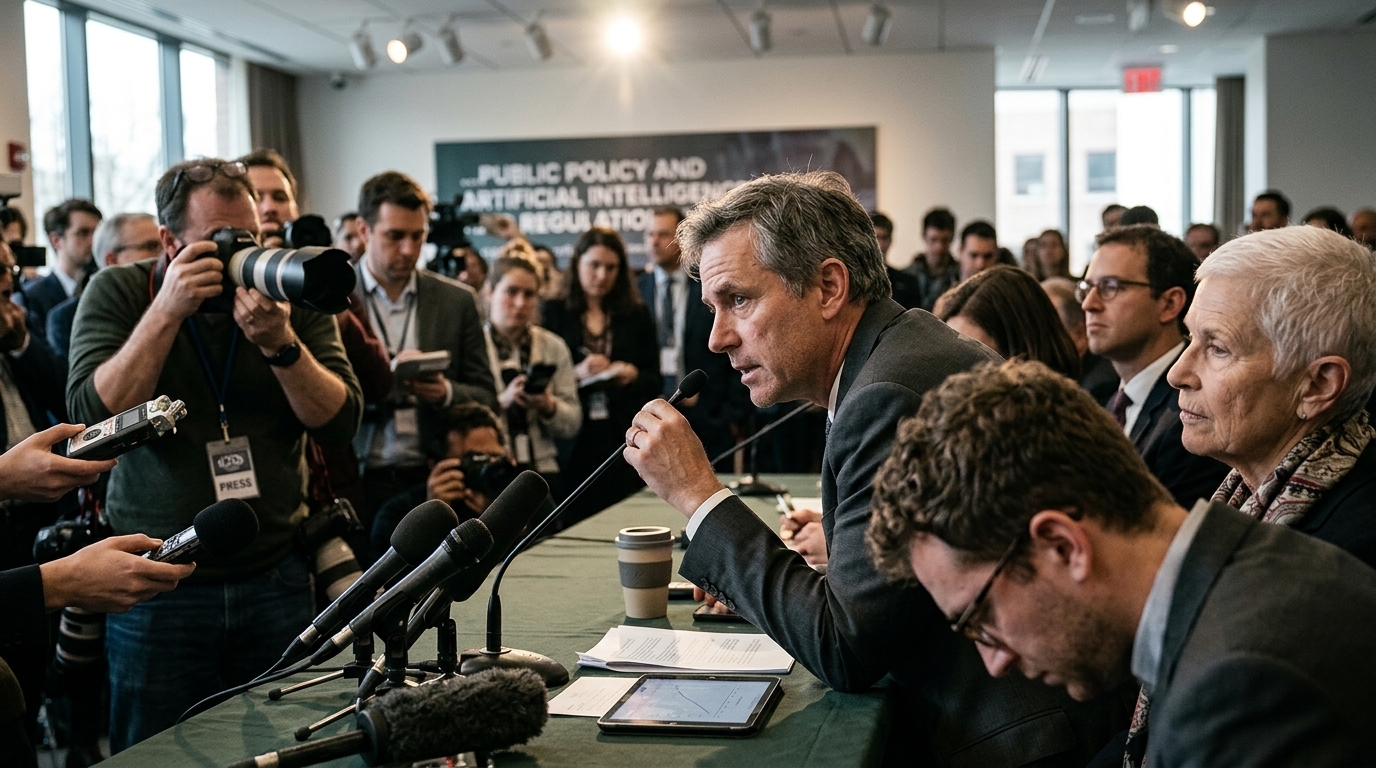
In the context of the 2026 elections, protecting the truth is becoming a matter of national security at the local level. The bill mandates clear labeling of any AI content used in political campaigns, preventing the deception of voters. "Technology is moving faster than our laws, but today we are closing that gap," Pritzker stated during the signing ceremony in Chicago. The legislation also grants citizens the right to sue if their digital identity is stolen or manipulated for commercial purposes without their permission.
A Model State in a Divided Nation
While Congress in Washington remains deadlocked over federal AI legislation, states like Illinois, California, and Colorado are taking the lead. This creates a patchwork of regulations that often forces tech companies to comply with the strictest standards to maintain access to major markets. Analysts call this the "Illinois Effect," where stringent consumer protection becomes the de facto national standard.
However, this move is not without its critics. Some industry representatives warn that strict audits and potential litigation could discourage startups from settling in Chicago, favoring states with looser regulatory frameworks like Texas. Nevertheless, the Pritzker administration insists that creating an "ethical AI ecosystem" will attract more stable and responsible investment in the long run. The balance between protection and growth remains the great challenge for the next decade as AI integrates into every aspect of public and private life.