In a move poised to redefine the landscape of labor law across the United States, the state of Illinois has enacted one of the nation’s most ambitious AI oversight mandates. House Bill 3773, which amends the Illinois Human Rights Act, seeks to curb algorithmic bias and ensure transparency when employers utilize automated systems for personnel-related decisions. Yet, as the ink dries on Governor J.B. Pritzker’s signature, the legal and business sectors are grappling with a series of unresolved questions regarding how these new provisions will function in the real world.
The Core of the New Legal Framework
HB 3773 is built upon two foundational pillars: notification and anti-discrimination. Specifically, companies operating in Illinois are now legally required to inform applicants and employees if Artificial Intelligence is being used to evaluate their applications, performance, or other critical aspects of their employment. Furthermore, the law explicitly states that the use of AI does not shield an employer from liability should the system result in decisions that discriminate based on race, gender, age, or other protected classes.
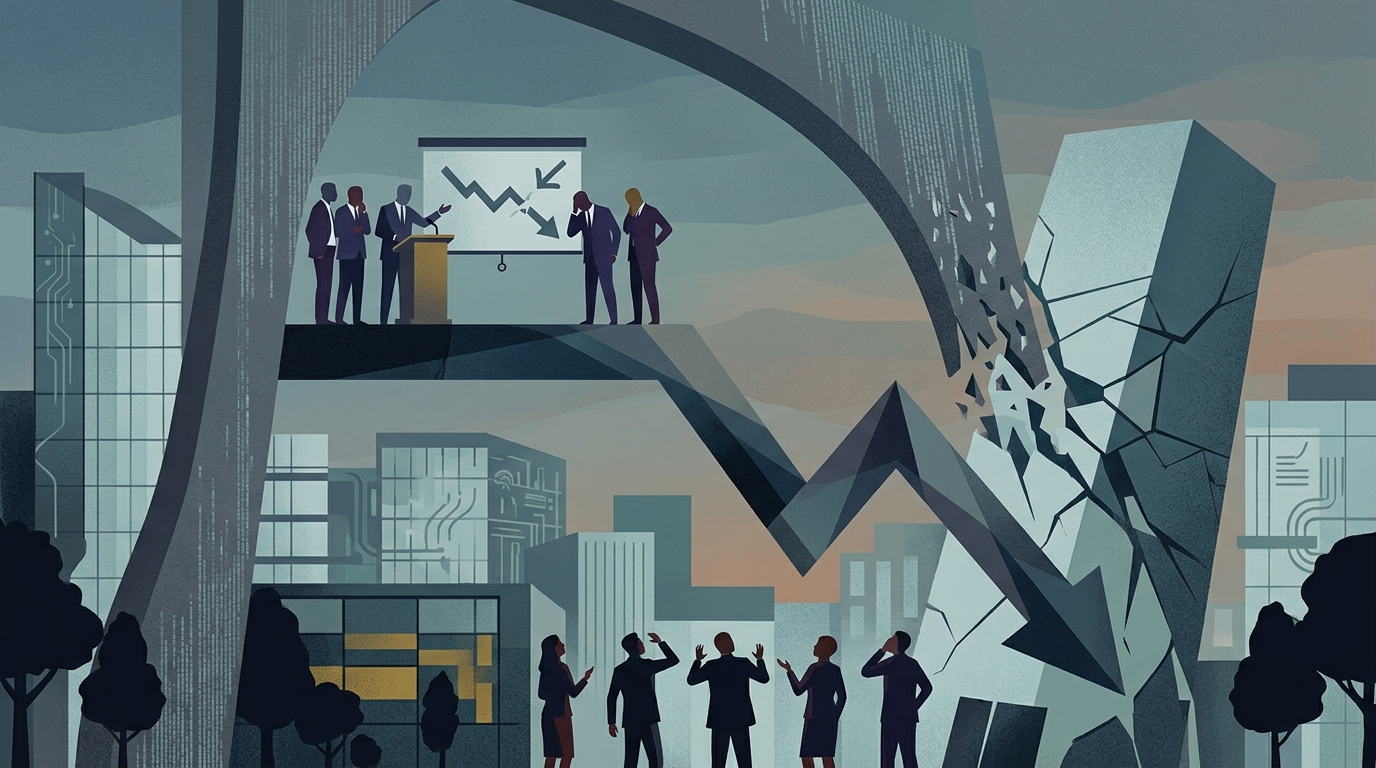
This legislative push is hardly a surprise for those familiar with Illinois' regulatory history. The state has long been a pioneer—or a disruptor, depending on one’s perspective—in privacy protection, most notably through the Biometric Information Privacy Act (BIPA). BIPA has led to a decade of high-stakes litigation and billions of dollars in settlements. Many analysts now fear that HB 3773 could open a similar "Pandora's box" of class-action lawsuits, targeting the often-opaque nature of AI-driven hiring tools.
Implementation Challenges and Technical Ambiguity
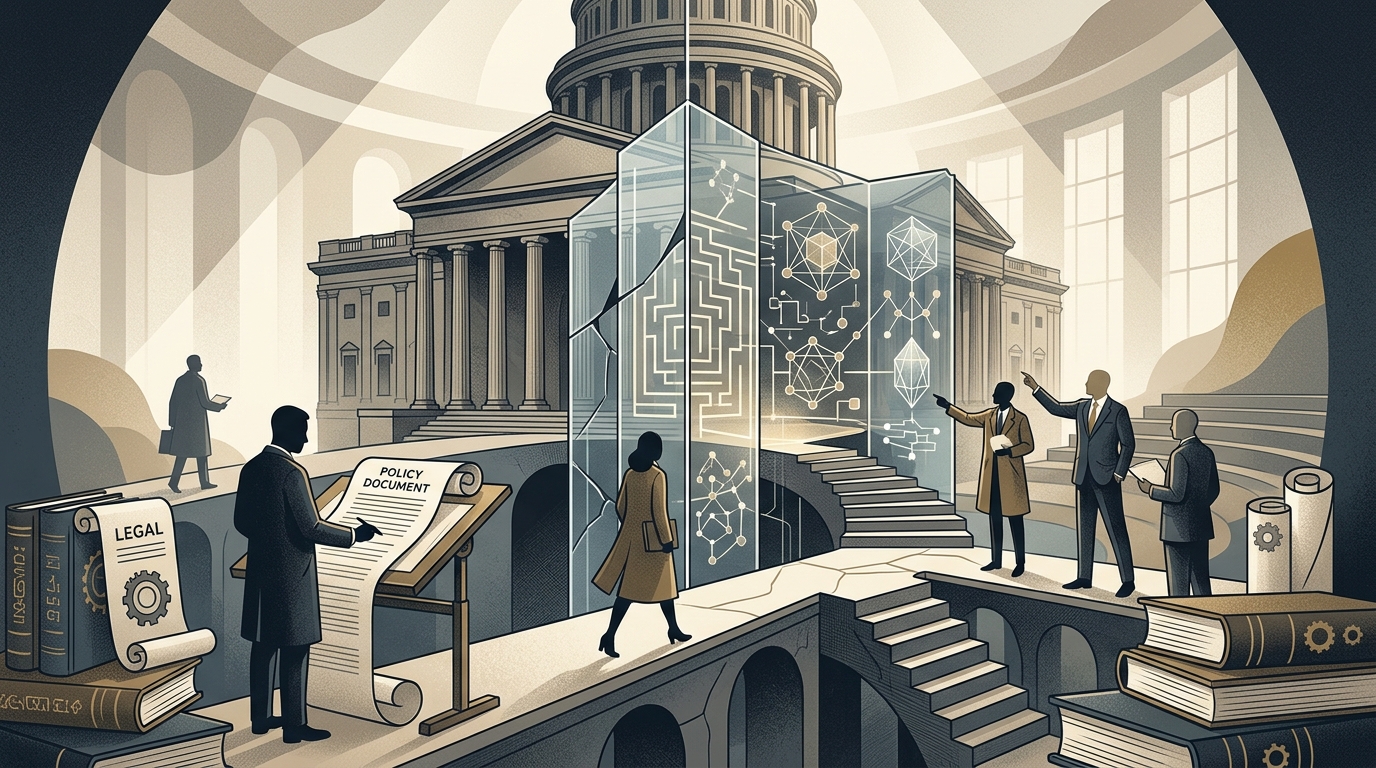
Despite the noble intentions behind the bill, the technical terminology within HB 3773 remains frustratingly vague. The definition of "Artificial Intelligence" in the statute is broad, encompassing everything from basic resume-filtering tools to sophisticated Generative AI models. This lack of specificity creates a compliance vacuum: How can a company definitively prove its algorithm is unbiased when the "black box" nature of modern AI makes the decision-making process inherently difficult to audit?
- What level of granularity is required in the notification provided to candidates?
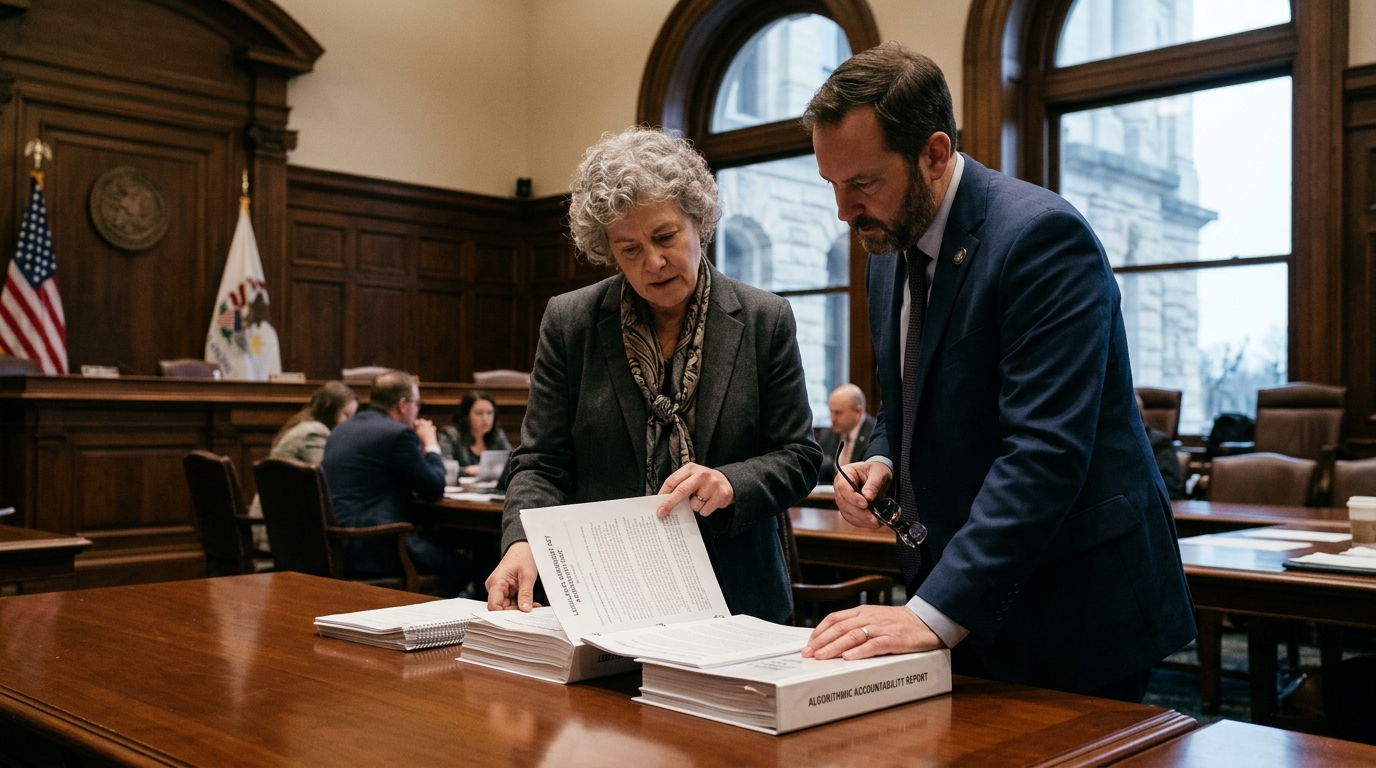
- What standards will be used to conduct audits for algorithmic bias?
- Where does the liability lie between software vendors and the employers who use them?
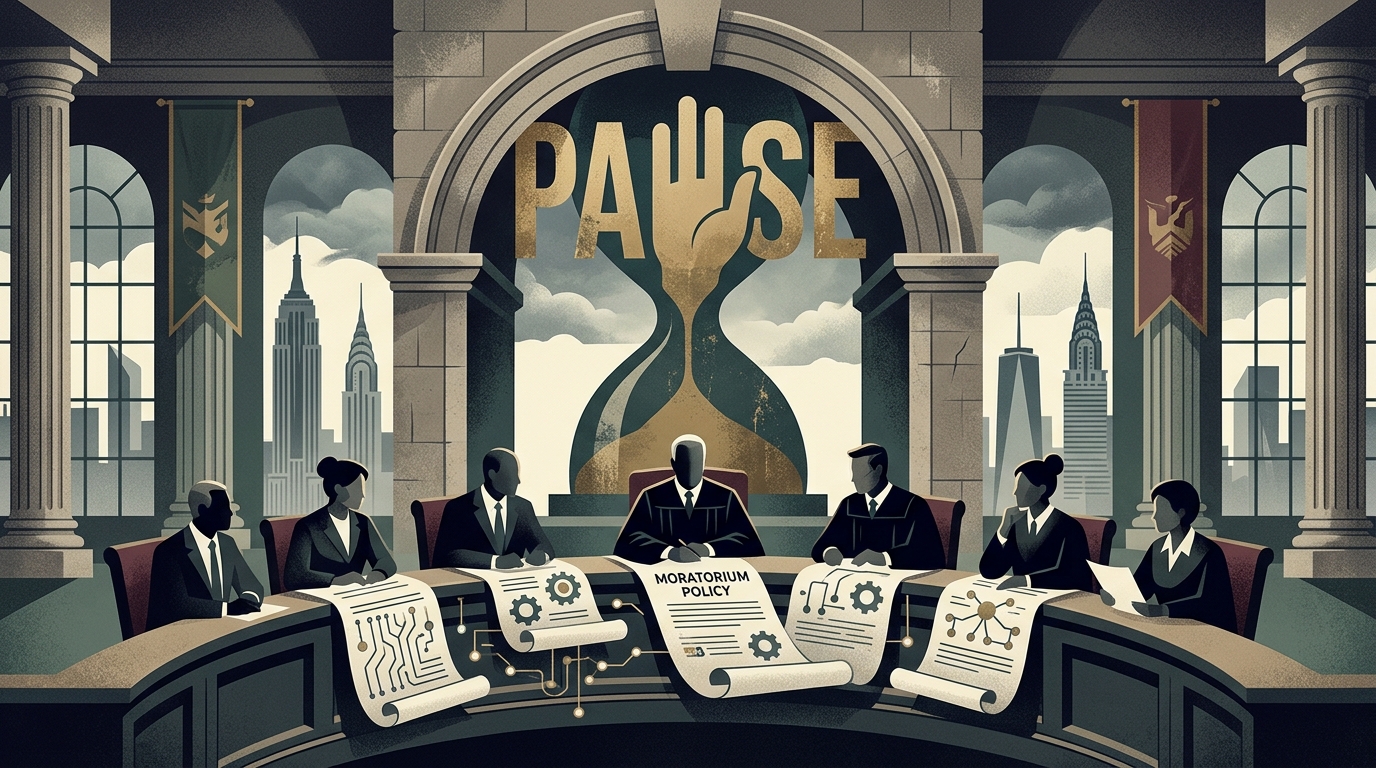
Legal experts suggest that the absence of concrete technical standards means courts will be forced to interpret the law on a case-by-case basis. This creates an environment of regulatory uncertainty that could stifle innovation within the state. Businesses will likely need to invest heavily in legal counsel and third-party technical audits, a burden that falls disproportionately on small and medium-sized enterprises (SMEs).
National and Global Implications
Illinois does not exist in a vacuum. Its legislation follows in the footsteps of Colorado’s AI Act (SB 205) and the European Union’s landmark AI Act. However, the Illinois approach is more surgical, focusing specifically on civil rights and the workplace. This makes it a critical bellwether for how the United States might handle the social impact of technology in the absence of a unified federal framework.
"The Illinois legislation is a warning shot to Silicon Valley: the 'Wild West' era of algorithmic human resource management is coming to an end," says a prominent policy analyst.
In conclusion, while HB 3773 represents a necessary step toward the ethical deployment of technology, its ultimate success hinges on the ability of regulatory bodies to provide clear, actionable guidelines. Without such clarity, the law risks becoming a bureaucratic hurdle that fuels the litigation industry rather than providing meaningful protection for workers against the invisible prejudices of code.