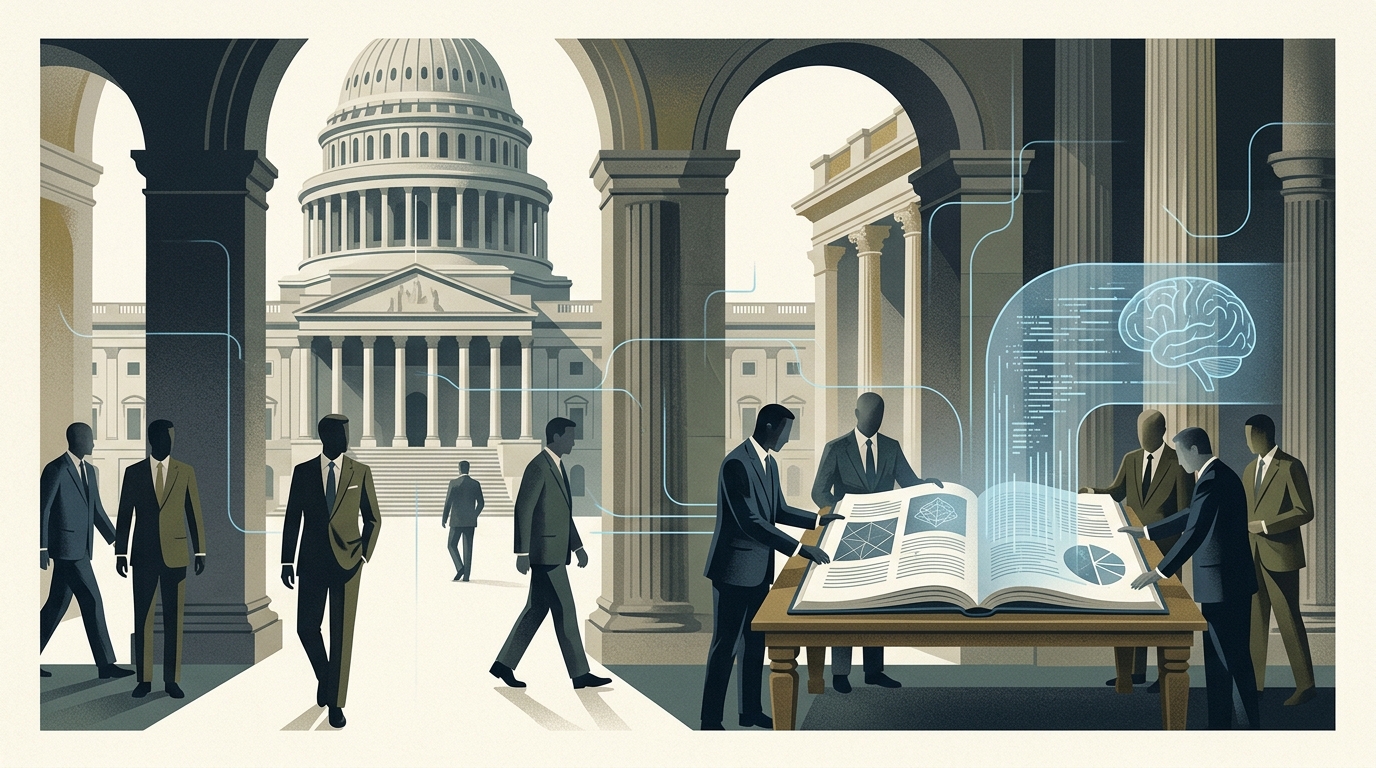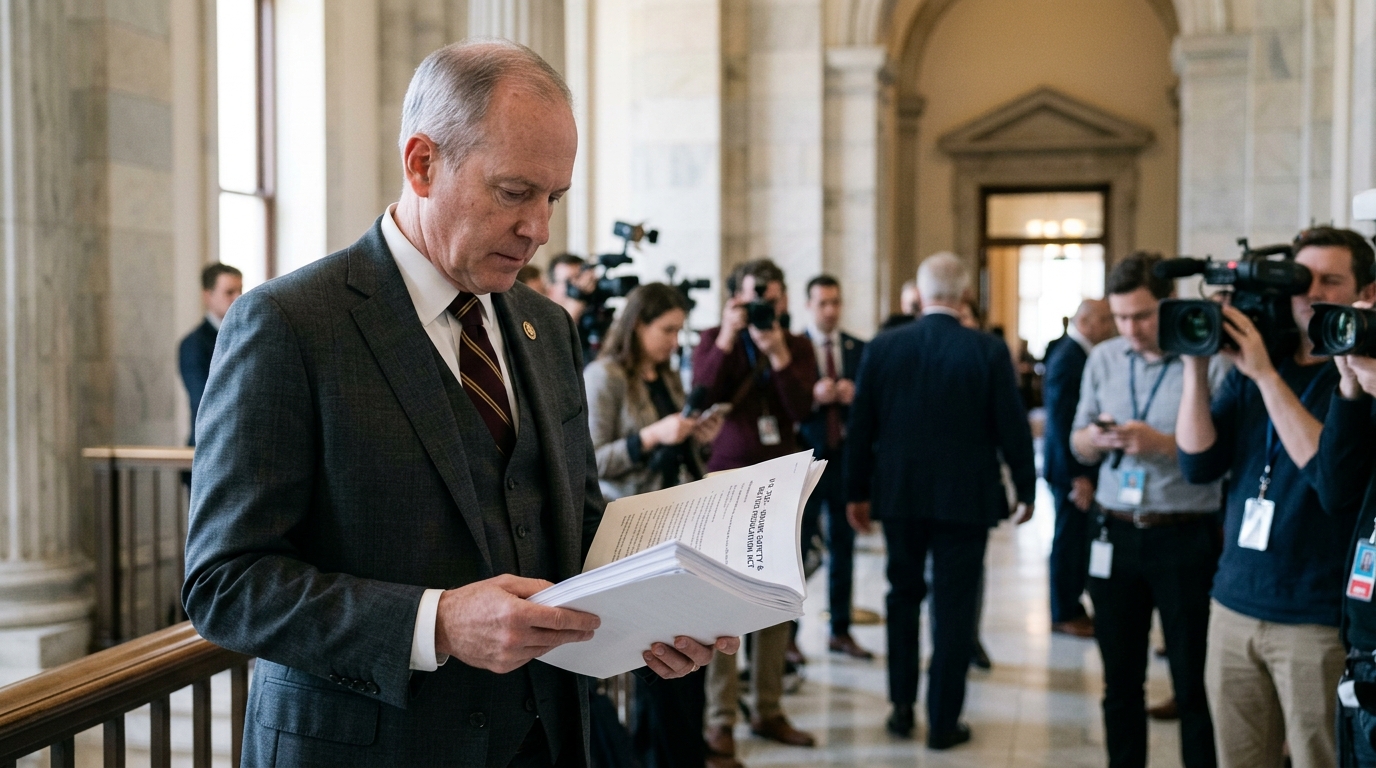
In a rare display of bipartisan unity, the U.S. House of Representatives passed a landmark bill on Monday aimed at strengthening safety standards for children in the digital sphere. The move reflects growing political pressure in Washington to curb the influence of social media on youth mental health, yet the legislation appears headed for a head-on collision with the Senate, where lawmakers are pushing for even more stringent measures.
The 'Duty of Care' and New Obligations
The House-passed bill introduces the concept of a "duty of care" for tech platforms. This means companies like Meta, TikTok, and Alphabet will now be legally responsible for designing products that could harm minor users. These harms include the promotion of content related to self-harm, eating disorders, and sexual exploitation.
Furthermore, the legislation requires platforms to enable the strictest privacy settings by default for users under 18. This includes disabling algorithmic recommendation systems that "trap" youth in endless scrolling, as well as limiting notifications during nighttime hours. For many advocates, this is a necessary intervention in a market that has operated for decades without meaningful oversight.
Senate Resistance: Demanding More
Despite the success in the House, the bill faces a difficult path in the Senate. Senators, led by a group that considers the House action a "watered-down gift to Big Tech," are seeking to incorporate provisions that would outright ban targeted advertising to minors and give parents the right to permanently delete their children's data with a single click.
The disagreement lies primarily in the intensity of the restrictions. While the House attempts to balance protection and innovation, the Senate appears willing to provoke a radical restructuring of the Silicon Valley business model. This clash is not just political but ideological, touching the limits of state intervention in private enterprise and freedom of speech.
Industry Impact and Legal Challenges
Tech giants have already begun mobilizing. Through lobbying groups, they argue that some of the provisions are technically infeasible or could lead to unintended censorship. Their concern is that to comply with the "duty of care," they will be forced to use filtering algorithms that block beneficial content, such as LGBTQ+ youth health information or educational material.
At the same time, civil liberties organizations warn of the risk of violating the First Amendment of the U.S. Constitution. They argue that imposing specific design standards on platforms constitutes a form of government control over speech. It is almost certain that once the bill becomes law, a long series of legal challenges will follow, likely reaching the Supreme Court.
Conclusion: A New Era of Digital Responsibility
The passage of the bill by the House is the strongest signal Washington has sent in years: the era of the "Wild West" on the internet is ending. Whether the House version or the stricter Senate version prevails, tech companies will have to adapt to an environment where user safety takes precedence over profit maximization.
For parents and educators, this legislative initiative offers a glimmer of hope. However, the real challenge will be implementation. In a world where technology evolves faster than legislation, regulators will need to remain extremely agile to ensure that the protections of 2026 remain relevant in 2030.