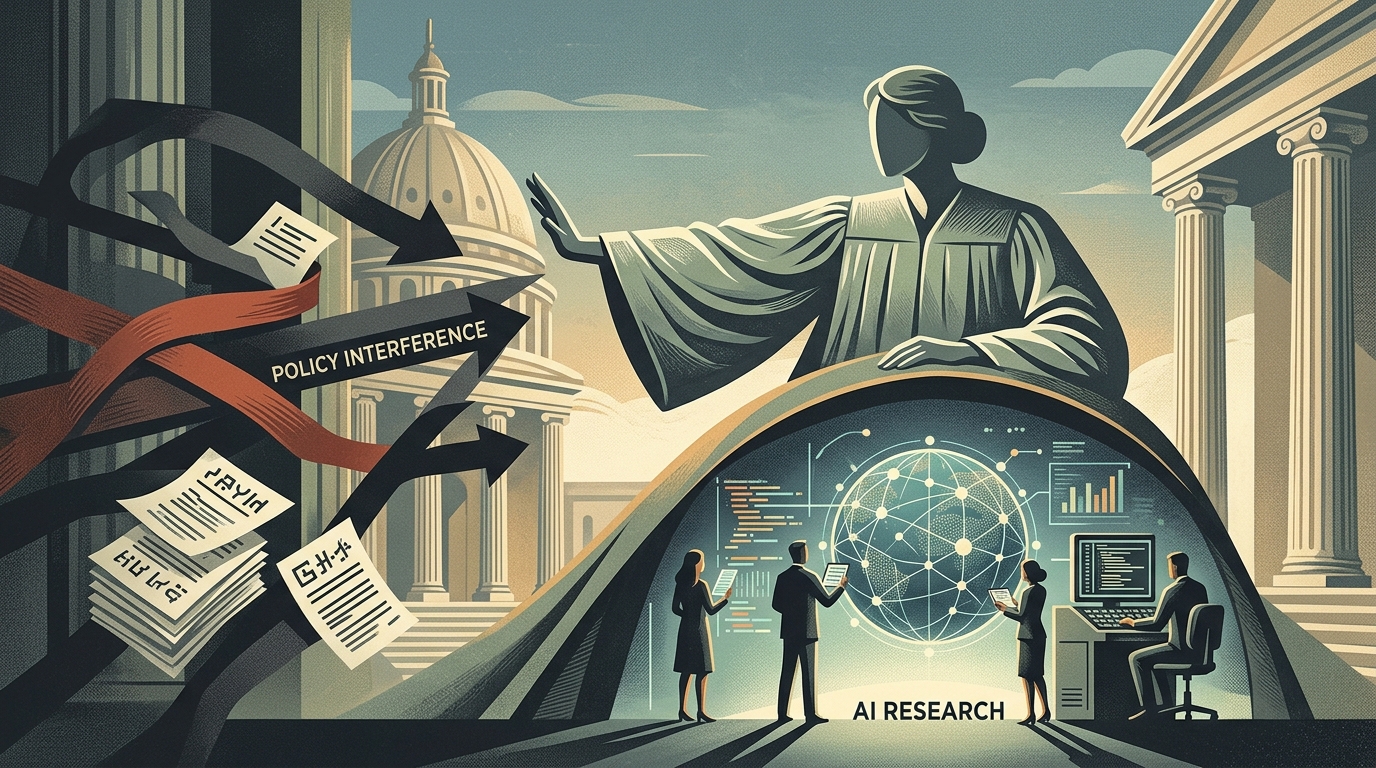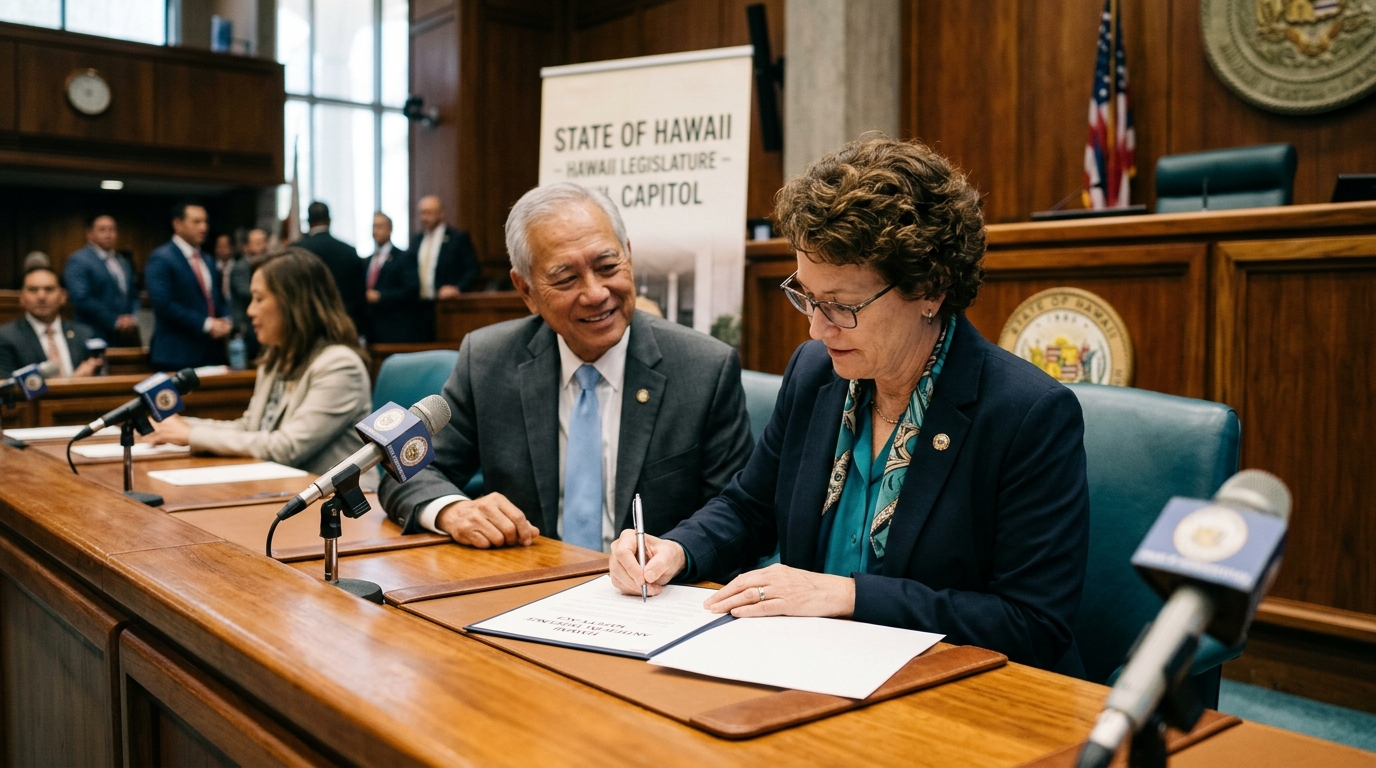
In a move that places it at the forefront of global digital legislation, the Hawaii State Legislature has passed the Artificial Intelligence Safety Act. This decision is not merely a local legislative initiative but a resounding message to Silicon Valley and the U.S. federal government, highlighting the urgent need for a regulatory framework surrounding emerging technologies. As of May 2026, Hawaii joins an elite group of states taking proactive measures against the unregulated expansion of AI systems.
The legislation, arriving at a time when generative AI is reshaping daily life, focuses on three central pillars: algorithmic transparency, the prevention of discrimination, and the protection of the democratic process from disinformation. By taking this step, Hawaii follows in the footsteps of California and Colorado, creating a "patchwork" of state laws that attempt to fill the void left by the absence of comprehensive federal legislation in Washington D.C.
Safeguarding Elections and the Battle Against Deepfakes
One of the most critical points of the bill concerns the prohibition of deepfakes during election periods. Hawaii's lawmakers recognized that the ease with which convincing yet false audio and visual documents can now be created poses a direct threat to election integrity. The new legislation imposes strict penalties on those who use AI to deceive voters, while simultaneously requiring clear labeling on any AI-generated content related to political advertising.
Beyond elections, the law establishes the right of citizens to know when they are interacting with an AI system instead of a human. This spans from customer service to automated decisions affecting access to healthcare or housing. The emphasis on transparency aims to restore trust between citizens and the digital infrastructure they use daily. The act ensures that the "Aloha Spirit" of transparency and community respect is translated into the digital realm.
Algorithmic Accountability and Social Justice
The Hawaii AI Safety Act goes a step further by addressing the issue of algorithmic bias. It is now well-documented that many AI systems, trained on incomplete or biased data, tend to reproduce racial or gender discrimination. The new law requires companies that develop or deploy critical AI systems to conduct regular impact assessments to ensure their algorithms do not operate with bias.
This "safety by design" approach forces developers to consider the social implications of their creations before they hit the market. For the State of Hawaii, this is particularly significant given its multicultural composition and the need to protect the rights of indigenous populations, who are often overlooked by Western technology development hubs. The bill mandates that AI tools used in public services must be audited for cultural sensitivity and fairness.
The Creation of the Artificial Intelligence Council
To ensure the effective implementation of the law, the act provides for the establishment of an Artificial Intelligence Council. This body will consist of technology experts, legal scholars, and representatives from civil society. The Council will be responsible for monitoring industry developments and proposing updates to the legislation, as technology evolves at a faster pace than traditional bureaucracy.
However, the legislation is not without its critics. Some tech industry representatives argue that strict state-level restrictions could discourage innovation and create a complex legal environment that is difficult for small and medium-sized enterprises to navigate. They fear a fragmentation of the U.S. market where different states have wildly different compliance requirements. Despite these objections, Hawaii appears determined to put the human at the center of the digital transition, proving that the protection of fundamental rights is non-negotiable in the face of technological progress.