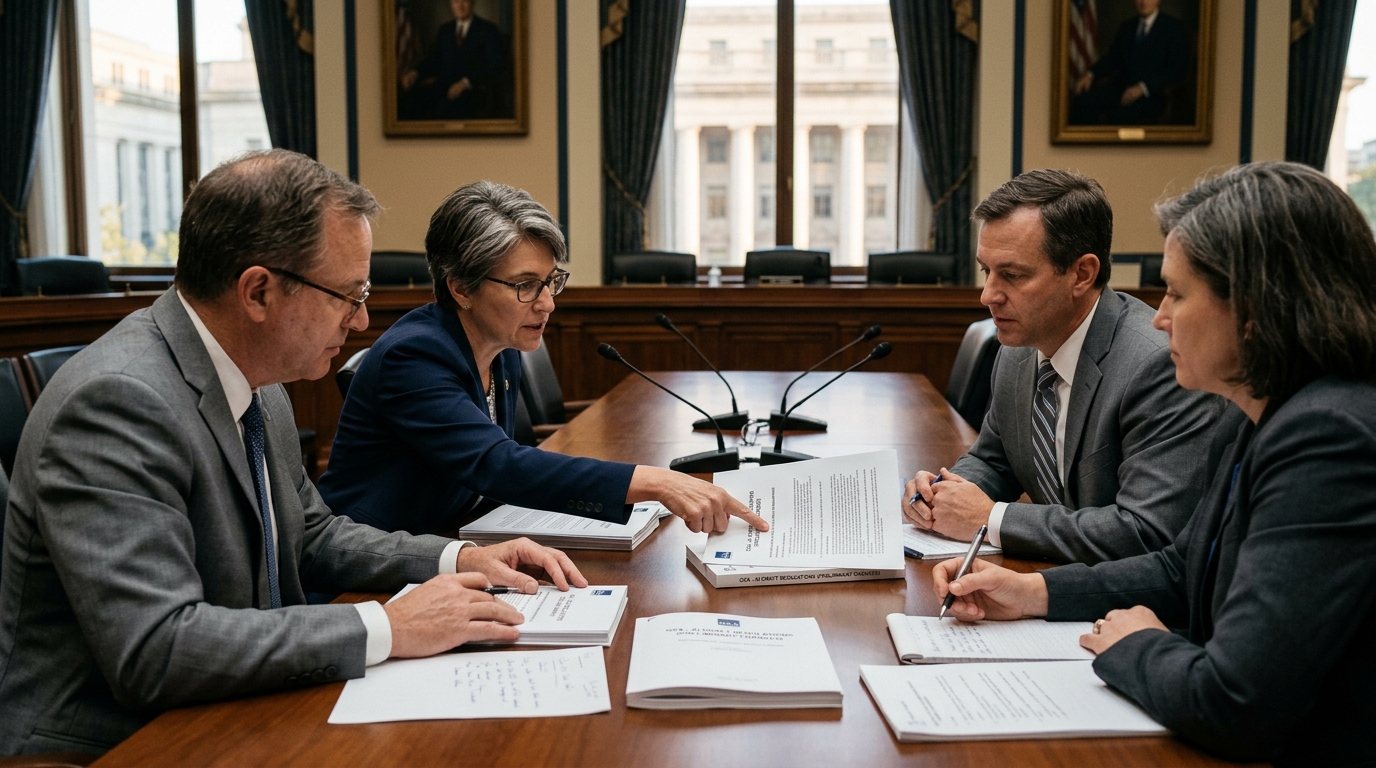
In the high-stakes arena of federal governance, the General Services Administration (GSA) is navigating a complex transformation. As of July 2026, the GSA’s latest revisions to its draft AI procurement regulations have garnered praise for showing increased nuance, yet industry leaders and policy analysts warn that significant hurdles remain. The challenge is clear: how does the world’s largest buyer of technology integrate artificial intelligence without stifling the very innovation it seeks to harness?
Refining the Scope: A Move Toward Alignment
The initial drafts released by the GSA were met with a chorus of concern from the tech sector. Industry groups argued that the definitions of AI were so broad they threatened to capture routine software updates and legacy systems, subjecting them to unnecessary and costly oversight. The updated draft addresses this by aligning more closely with the NIST AI Risk Management Framework. This move provides a common language for both government agencies and private contractors, reducing the friction of entry into the federal marketplace.
By adopting a risk-based approach, the GSA is signaling that it understands the difference between a generative AI tool used for administrative drafting and a high-stakes algorithmic system used in border security or judicial recommendations. This distinction is vital for maintaining the speed of government operations while ensuring that safeguards are applied where they matter most.
"The GSA has moved from a 'one-size-fits-all' mentality to a more sophisticated, risk-aware posture, which is exactly what the industry requested," noted a senior policy advisor at a major tech trade association.
The Lingering Friction: IP Rights and Liability
Despite the positive trajectory, the "more work needed" caveat from the Federal News Network source is substantial. Two primary issues dominate the debate: Intellectual Property (IP) and legal liability. Tech companies are notoriously protective of their proprietary algorithms and training datasets. Current draft language remains ambiguous about how much of this "secret sauce" must be disclosed to—or owned by—the government.
- Intellectual Property Theft: There is a persistent fear that federal data rights clauses could inadvertently allow the government to share proprietary AI models with competitors or use them to build in-house alternatives.
- The Liability Gap: If an AI-driven logistics system fails and causes a supply chain collapse, who is at fault? The GSA has yet to finalize a framework that fairly distributes risk between the developer and the government operator.
- Small Business Inclusion: While the GSA aims for diversity, the sheer volume of compliance documentation required by the new draft still favors large incumbents like Microsoft and Amazon, potentially locking out agile startups.
Strategic Implications for 2026 and Beyond
The GSA’s decisions carry weight far beyond the Potomac. As federal agencies transition toward autonomous systems for everything from IRS audits to climate modeling, these procurement rules will dictate the quality of the tools available to civil servants. Furthermore, as international allies look to the U.S. for leadership in AI governance, the GSAR (General Services Administration Acquisition Regulation) could become a de facto global standard.
The GSA must now pivot toward solving the hard problems of data transparency and vendor accountability. The praise for the initial changes is a vote of confidence in the process, but the final version of these regulations will be the true measure of whether the U.S. government can lead in the age of AI or if it will be held back by its own bureaucratic weight. The coming months of public comment and revision will be decisive for the future of the federal digital landscape.