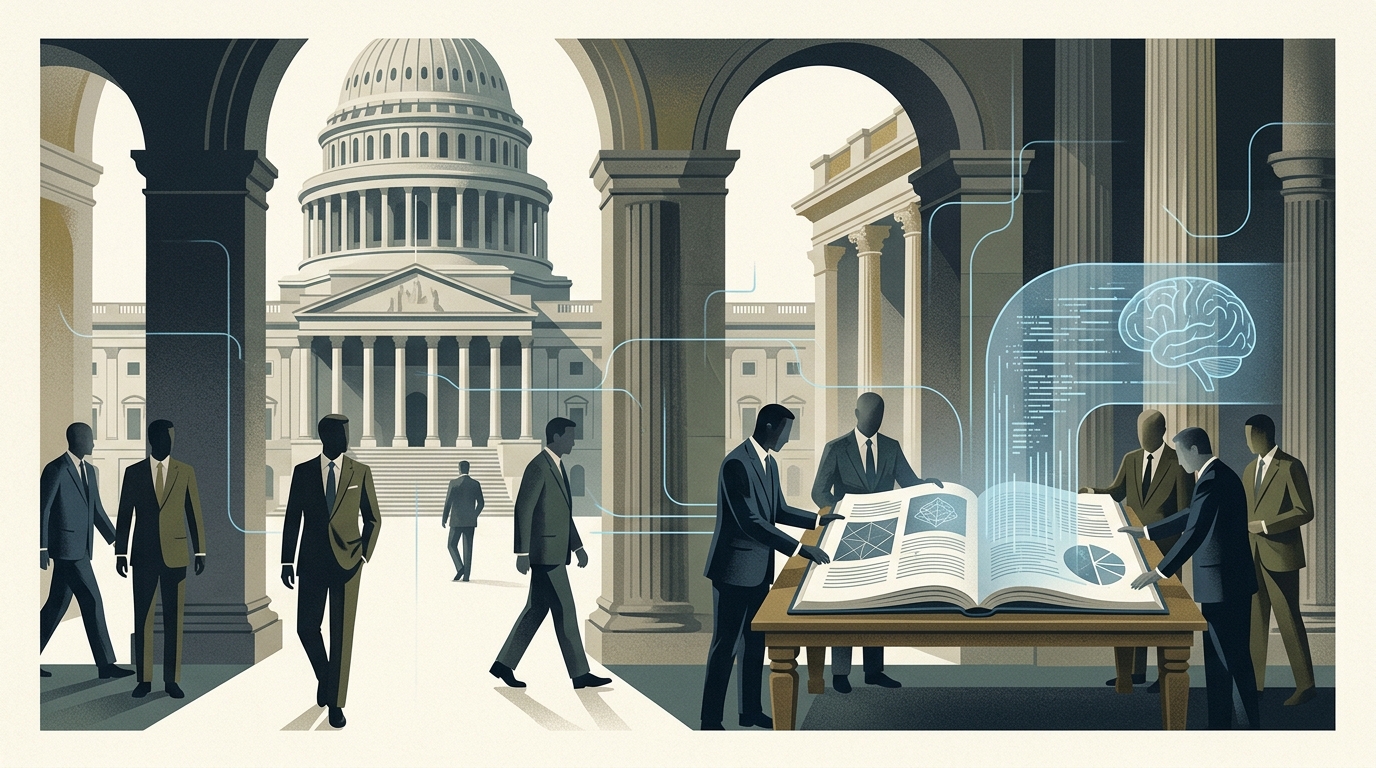
The recent settlement between the U.S. Federal Trade Commission (FTC) and agricultural machinery giant John Deere marks a pivotal moment in the history of consumer rights. For more than a decade, John Deere has been the poster child for resistance to the "Right-to-Repair" movement, using complex software locks and restrictions on diagnostic tools to force farmers into relying exclusively on its own expensive authorized repair shops. Today, that regime is crumbling, paving the way for a new era of ownership in the digital age.
The End of Digital Serfdom
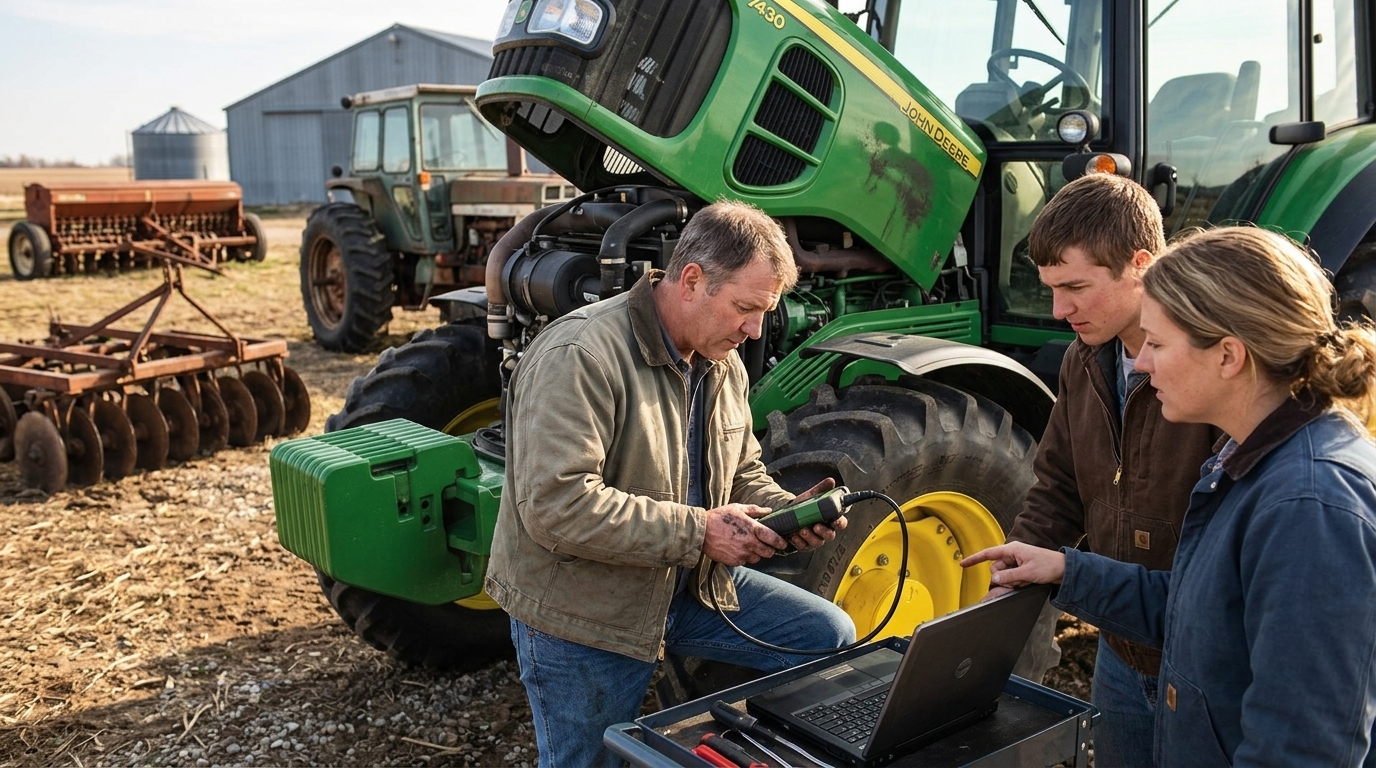
The core of the dispute was never just about gears and oil; it was about the control of code. Modern tractors are essentially supercomputers on wheels. For years, John Deere argued that farmers didn't truly own their machines, but rather held an "implied license" to operate the software that powered them. This meant that even a simple sensor failure could brick a half-million-dollar machine in the middle of harvest season, leaving the farmer waiting for an authorized technician to travel hundreds of miles just to plug in a laptop and hit a "reset" button.
The FTC's intervention, under the leadership of Chair Lina Khan, was catalytic. The settlement mandates that John Deere provide owners and independent repair shops with access to the same diagnostic tools, manuals, and software available to official dealerships. This is not merely a concession; it is a fundamental recognition that when you buy something, you own it entirely—including the right to modify and repair it.
Economic and Social Implications
For the average farmer, a one-day delay during harvest can cost tens of thousands of dollars. Dependency on a monopolistic repair network was not only economically inefficient but also a threat to food security. In an era of increasing climate volatility, the ability to fix equipment on-site is a matter of resilience. While this specific ruling applies to the United States, the precedent it sets is global in scope.
- Reduction in maintenance costs through increased competition.
- Faster turnaround times for repairs during critical production windows.
- Empowerment of local, independent repair shops and the rural economy.
- Reduction in e-waste, as machinery can be kept in service for longer periods.
This settlement also sends a loud message to other sectors, from consumer electronics giants like Apple and Tesla to manufacturers of life-saving medical equipment. The "walled garden" strategy, where a manufacturer controls every aspect of a product's post-sale life, is facing its first major legal defeat.
The Challenge of Enforcement
However, Right-to-Repair advocates remain cautious. History has shown that tech companies are incredibly inventive at creating new barriers. John Deere could comply with the letter of the law while making the use of diagnostic tools so complex or expensive that they remain practically inaccessible to the average user. The FTC will need to monitor the implementation of the settlement closely to ensure that access is meaningful rather than performative.
"This victory isn't just about tractors. It's about the power consumers have against corporations trying to turn ownership into a perpetual subscription," say activists within the movement.
In a world where Artificial Intelligence and software are embedded into every aspect of our physical reality, the fight for the right to repair is, in truth, a fight for our autonomy. This decision represents the first major victory in a long-term struggle that will define our relationship with technology for decades to come.