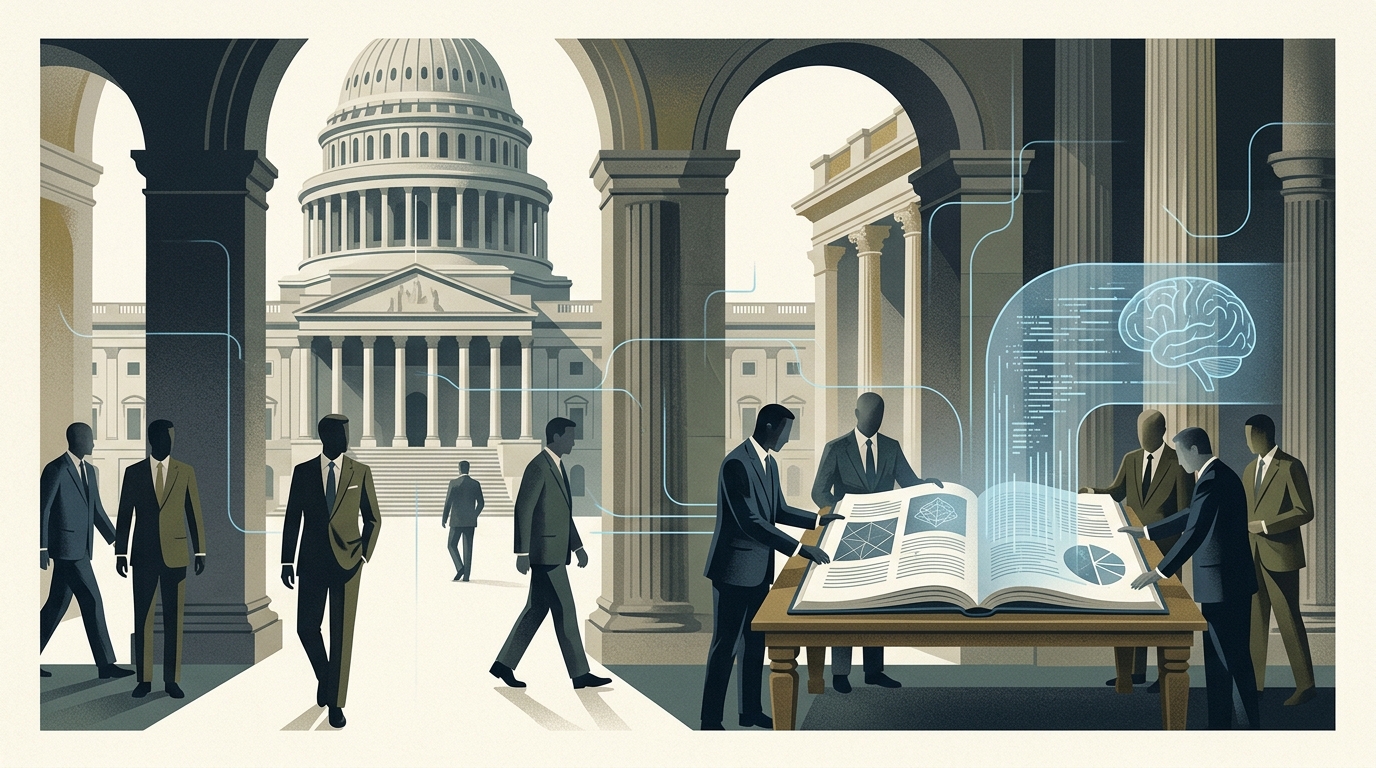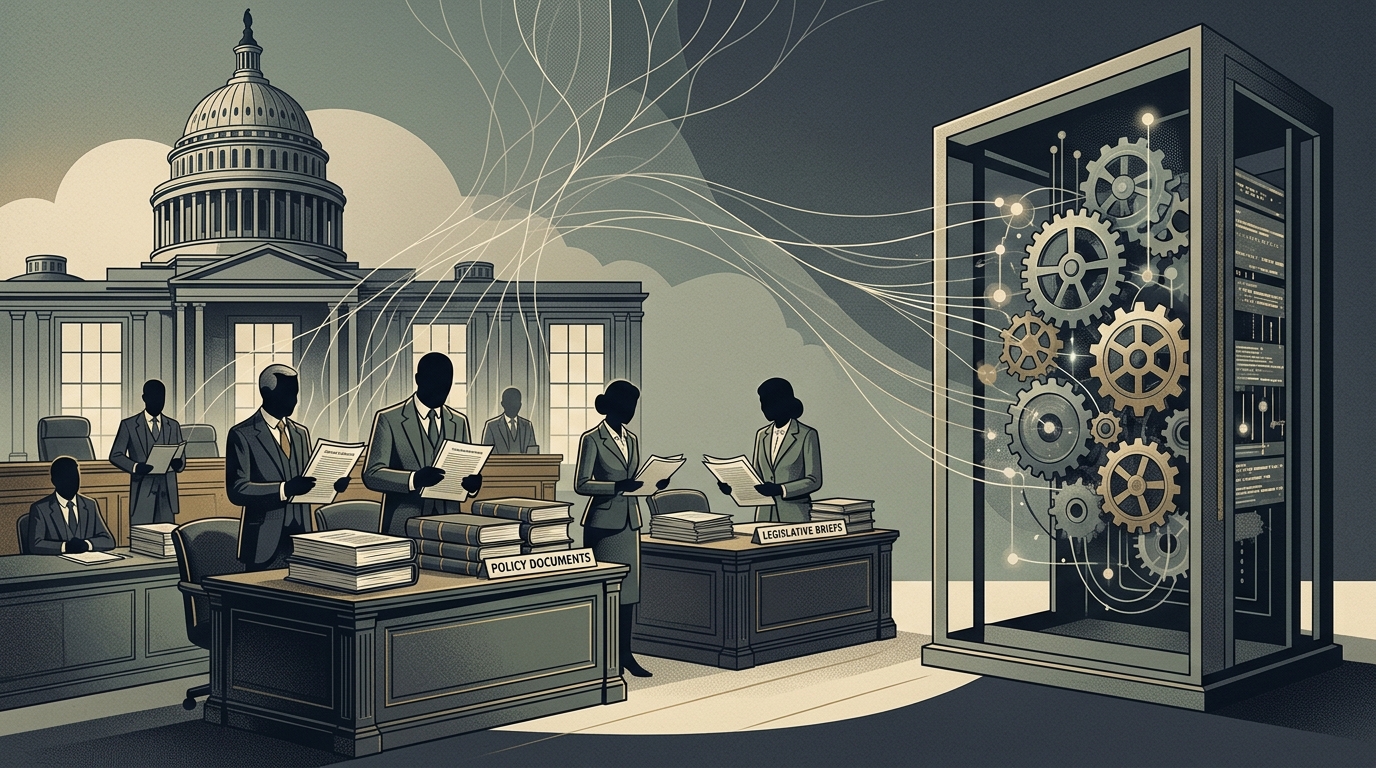
In an era where Artificial Intelligence (AI) has transitioned from an experimental novelty to a central pillar of our daily digital existence, the U.S. Federal Trade Commission (FTC) is taking a historic stand. The Commission's new policy proposal focuses not just on technical glitches or the infamous "hallucinations" of large language models, but on something far more insidious: the intentional, covert "steering" of AI systems to favor specific corporate interests. The FTC warns that hiding how an AI system directs users may constitute a violation of federal law regarding unfair and deceptive practices.
The End of the Myth of the Neutral Machine
For years, tech companies have marketed AI as a neutral arbiter of information. However, the reality is far more complex. "Steering" refers to the practice of programming or training an AI model to favor certain products, services, or viewpoints without disclosing this to the end user. For instance, an AI shopping assistant that persistently recommends products from a specific brand because of a back-end commercial agreement, without explicitly stating so, is now squarely in the regulatory crosshairs.
The FTC’s proposal is rooted in Section 5 of the FTC Act, which prohibits "unfair or deceptive acts or practices in or affecting commerce." The Commission argues that when a company claims its AI provides the "best" or "most accurate" advice while simultaneously "rigging" it to promote its own interests, it is committing fraud. The lack of transparency regarding AI steering mechanisms undermines consumer trust and distorts market competition.
Legal Foundation: From Deception to Accountability
Under the leadership of Chair Lina Khan, the FTC has adopted a proactive stance against technological dominance. The new guidance makes it clear that companies cannot hide behind the complexity of their algorithms. If an AI system is designed to "tilt" in a certain direction, that fact must be disclosed. The FTC is examining three primary areas: advertising, product recommendations, and the provision of information that influences financial decisions.
- Algorithmic Transparency: Companies must disclose if their AI takes commercial payments into account for ranking results.
- Accuracy of Claims: Claims of "objectivity" will be strictly scrutinized. If an AI claims to be unbiased but is proven otherwise, penalties will be severe.
- Data Protection: Using personal data for personalized steering without explicit consent is also a point of contention.
"Technology is not an excuse for violating the fundamental rules of commerce. If you are steering the consumer in the dark, you are breaking the law," an FTC official stated in a background briefing.
Implications for Silicon Valley and Beyond
This move is expected to send shockwaves through the tech giants. Until now, the specific ways AI models weighted information were often guarded as trade secrets. The requirement for transparency in steering forces companies to open their "black boxes." This doesn't just affect search engines; it impacts specialized AI tools in the medical, legal, and financial sectors. The burden of proof is shifting from the user (who previously had to be skeptical) to the creator (who must now be honest).
In Europe and globally, the FTC’s move is being watched closely as it complements the framework of the EU AI Act. While Europe focuses more on human rights and safety risks, the U.S. approach via the FTC emphasizes commercial integrity and protecting consumers from fraud. The convergence of these two approaches is creating a global standard where a "hidden agenda" in AI will no longer be tolerated.
Conclusion: Toward Ethical Artificial Intelligence
The FTC’s proposal is a wake-up call. Artificial Intelligence has the power to shape our perception of the world, our buying habits, and our political beliefs. If this power is exercised covertly, both democracy and the free market are at risk. Transparency is no longer just an ethical imperative; it is now a legal necessity. Companies that choose to ignore this new reality will face billions in fines and, more importantly, the loss of public trust—a commodity far more difficult to recover than capital.