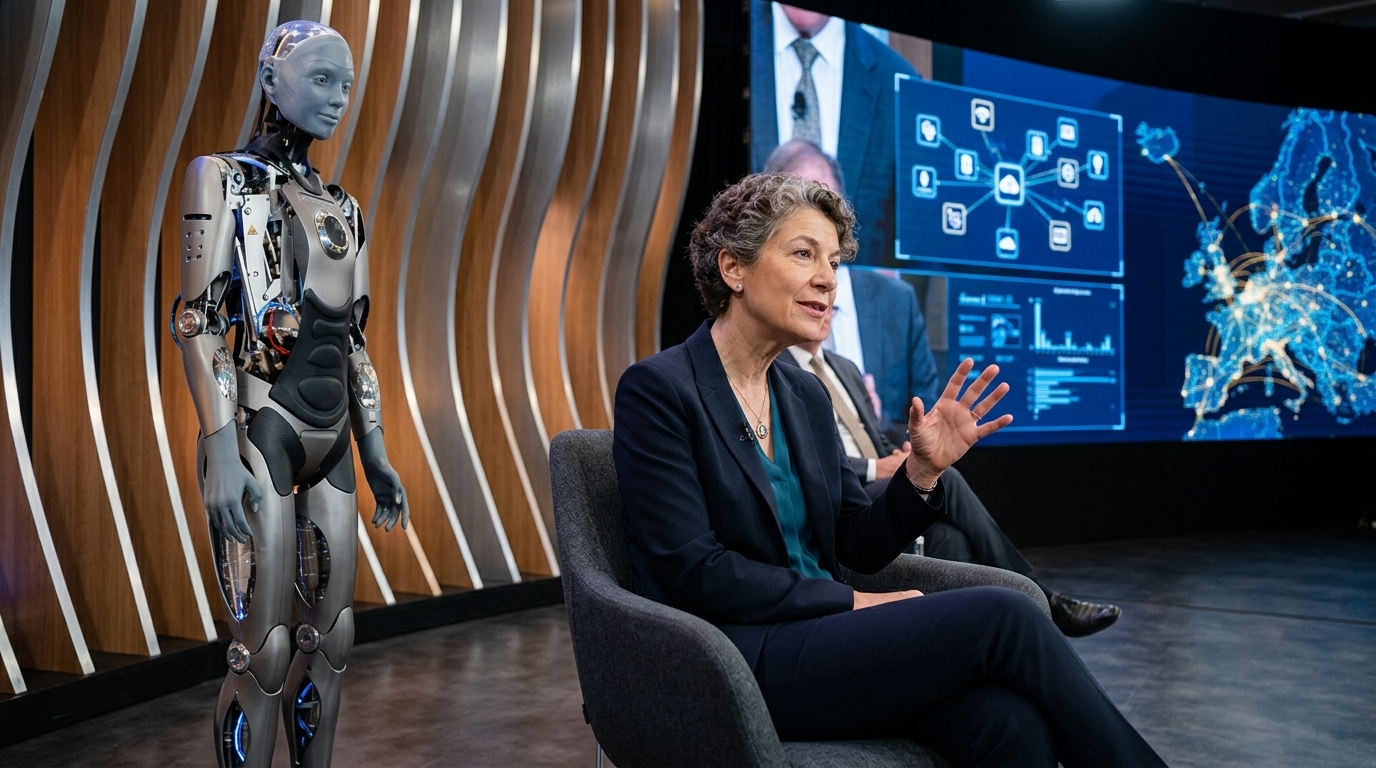
The entertainment industry stands at a critical crossroads where the line between reality and digital simulation has become nearly invisible. As we move through the summer of 2026, Artificial Intelligence (AI) is no longer a future threat to Hollywood but a daily reality that is radically transforming how art is produced, consumed, and protected. Recent developments surrounding the ethical use of AI and the rights of performers have brought to the fore questions that touch the very core of human identity.
Digital Likeness: The New Legal Frontier
The issue of "digital likeness" has emerged as the most significant legal and ethical challenge of the decade. Following the historic strikes by actors and writers that shook the industry in previous years, new contracts have attempted to set boundaries. However, technology is moving faster than legislation. The ability of studios to create "digital twins" of actors, capable of performing roles without the artist's physical presence, raises profound questions about autonomy and consent.
This isn't just about A-list stars. Background actors and voice artists are on the front lines of vulnerability. The practice of "scanning" an actor for a single day's work with the intent to use their image in perpetuity constitutes a form of digital serfdom that the industry is struggling to regulate. The ethical dimension is clear: can the essence of a performance—the artist's unique spark—be encoded into ones and zeros?
The Ethics of Generative Creativity
Beyond visual likeness, Generative AI has infiltrated writers' rooms. While current agreements protect human creators from total replacement, the use of AI as a "writing assistant" has created a massive gray area. Who owns the copyright to a script written by a human but enhanced by an algorithm trained on thousands of other copyrighted works?
- Protection of intellectual property against training data exploitation.
- The necessity for transparency and labeling of AI-generated content.
- Ensuring fair compensation for the use of voice and image replicas.
- The danger of "digital necromancy"—reviving deceased actors without explicit consent.
The landmark case of Scarlett Johansson vs. OpenAI in 2024 served as the catalyst for a global conversation. Today, in 2026, we are seeing the implementation of stricter rules, yet the pressure from studios to cut costs remains immense. The ethics here are not just legal but social: what kind of stories do we want to tell, and who do we want telling them?
Legislative Responses and the Path Ahead
In the United States, the NO FAKES Act represents a push to create a federal framework of protection against unauthorized AI deepfakes. However, the global nature of the internet makes enforcing these laws exceptionally difficult. Hollywood studios, while professing respect for artists, are simultaneously investing billions in technologies that could eventually render human labor secondary to algorithmic output.
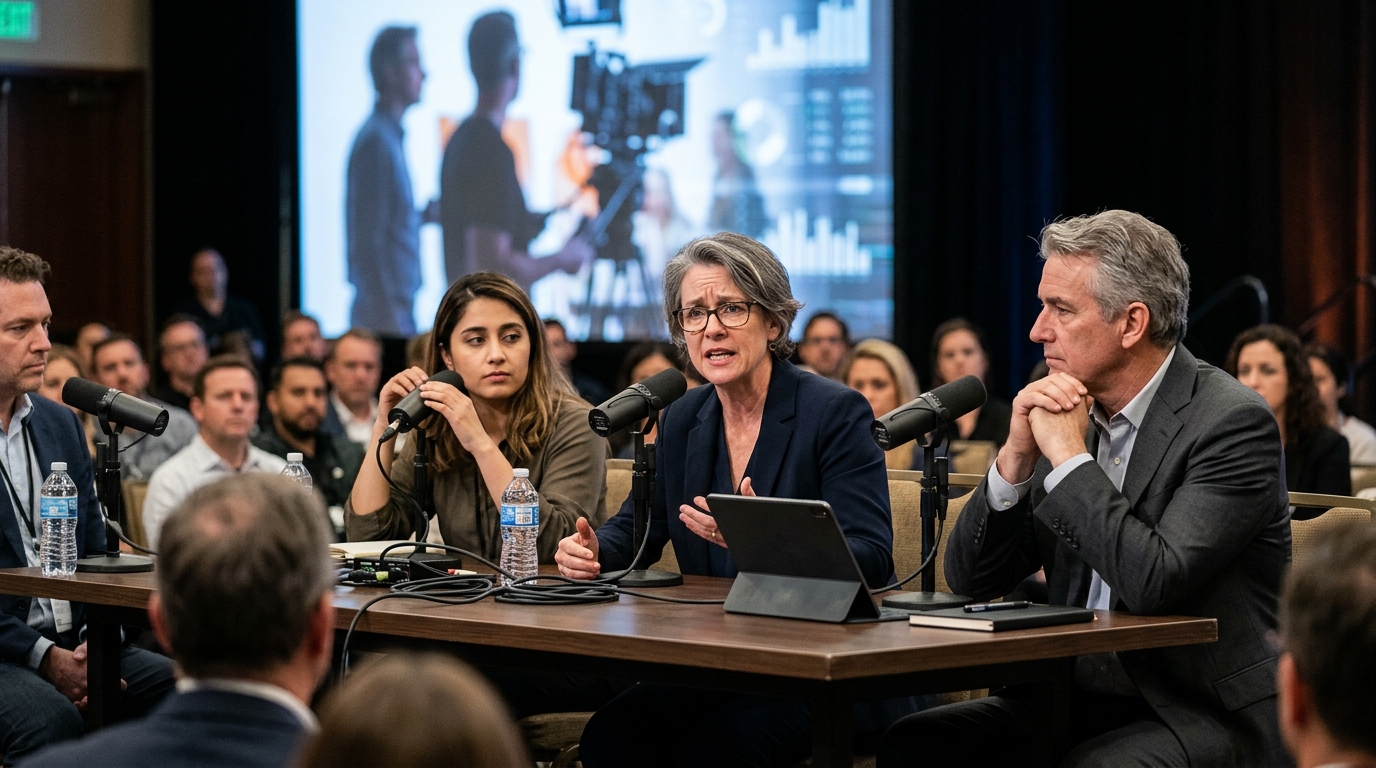
"AI can mimic style, but it cannot experience the pain, joy, or the raw human condition that gives art its profound depth," noted several prominent directors at a recent summit.
In conclusion, the battle in Hollywood is a microcosm of the broader societal struggle with AI. It is not merely about financial residuals; it is about the intrinsic value of human creation. As algorithms become more sophisticated, the need for a robust ethical framework that protects the "human element" in art becomes more urgent than ever. Hollywood is not just a film factory; it is the mirror of our culture. If that mirror becomes purely digital, we risk losing the reflection of our own collective soul.