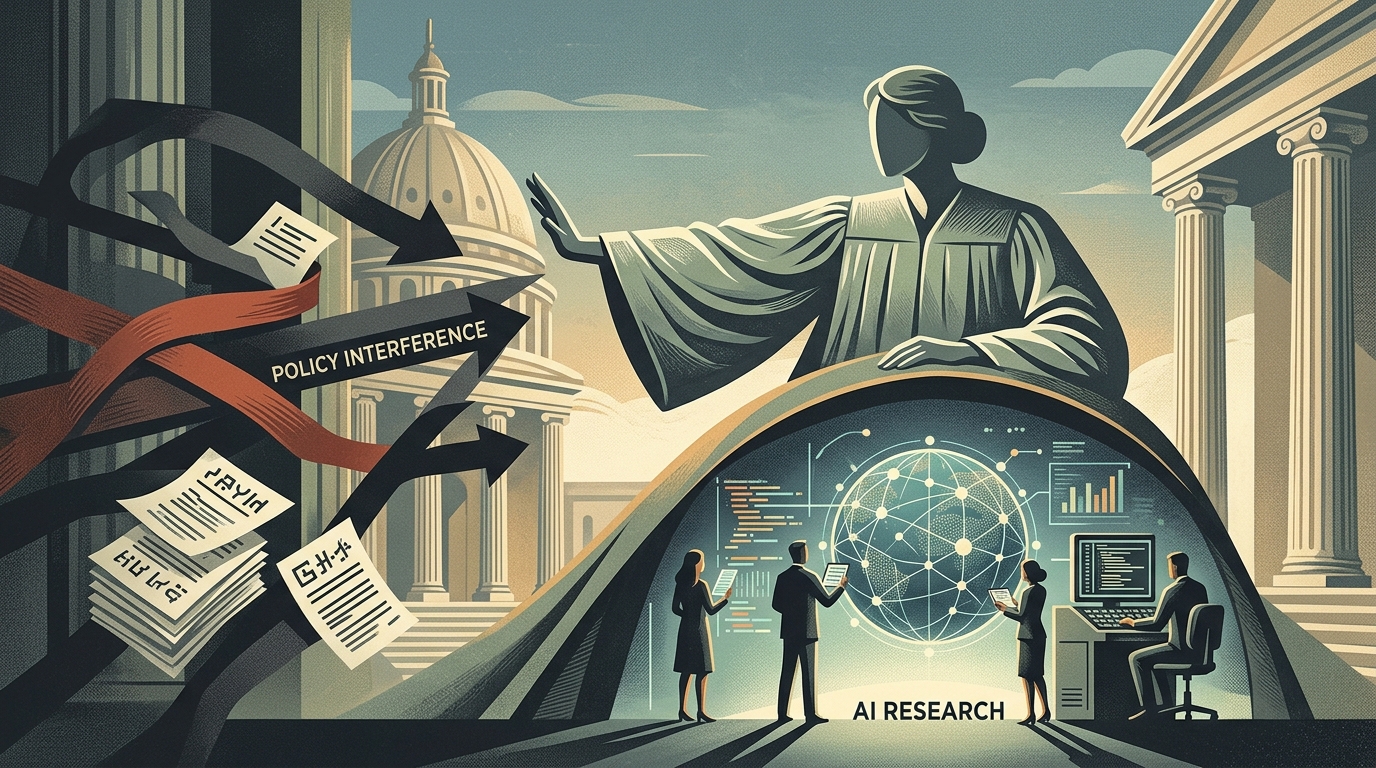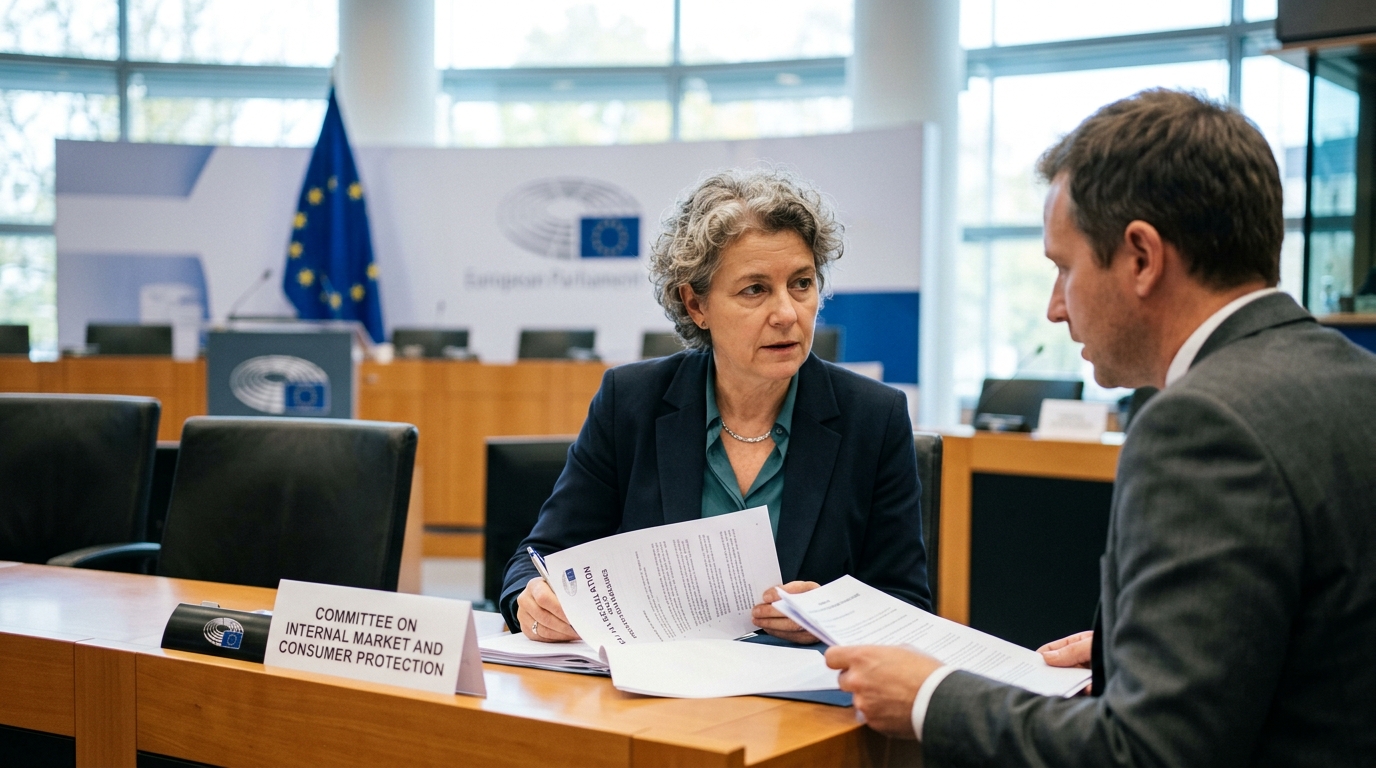
As we navigate the middle of 2026, the European Union is confronting one of the most significant challenges of the digital era: the weaponization of Generative AI by criminal networks. With a fresh set of guidelines and stricter amendments to the landmark AI Act, Brussels is attempting to stem a tide of scams that has cost European citizens and businesses billions of euros.
The Anatomy of a Digital Pandemic
The push for tighter regulation did not emerge in a vacuum. Over the past 18 months, social engineering techniques have evolved to a point where distinguishing between reality and fabricated content is nearly impossible for the average user. From voice cloning—where scammers mimic the voices of relatives or corporate executives—to high-fidelity deepfake videos promoting fraudulent investment schemes, technology has become the ultimate weapon for cybercriminals.
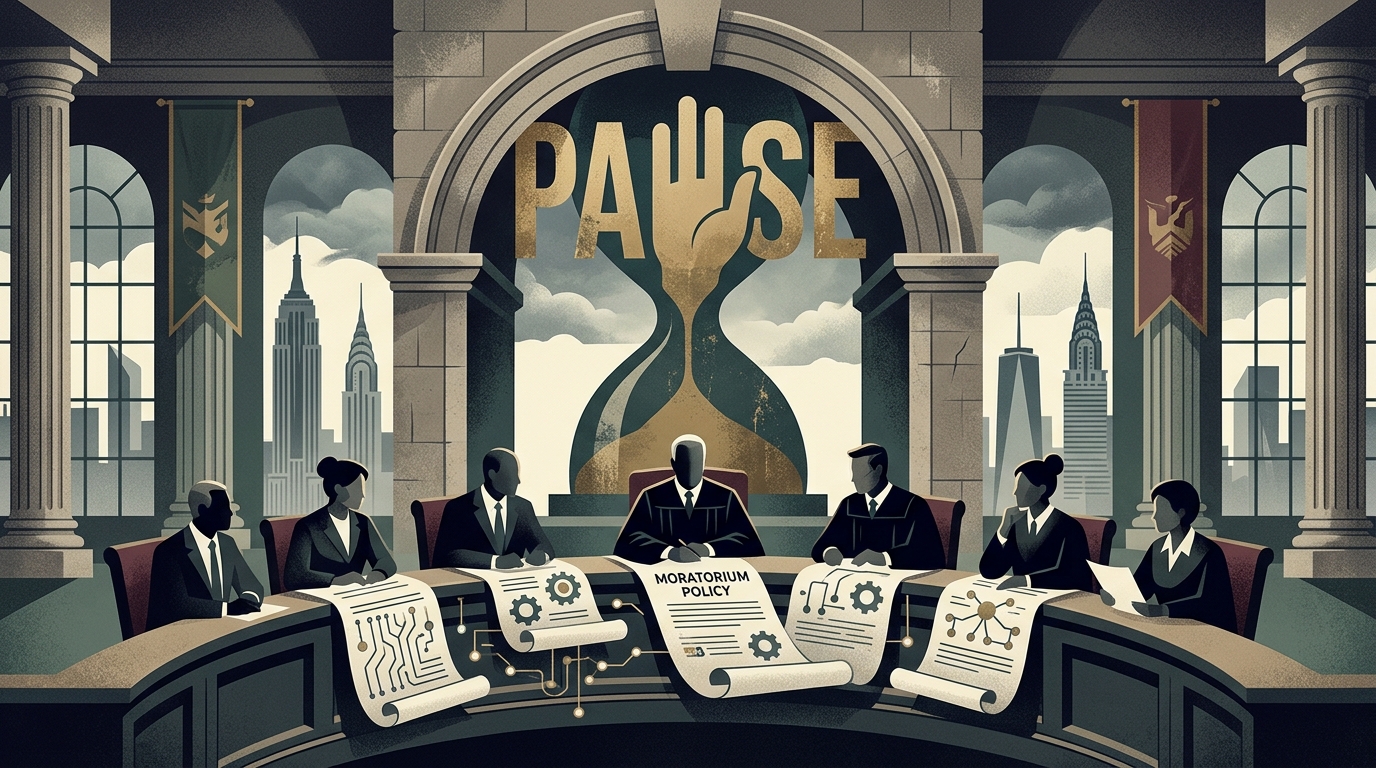
According to recent data from Europol, AI-driven scams have surged by 400% compared to the previous year. This alarming trend forced the European Commission to revisit its safety mechanisms, now mandating permanent and indelible watermarking on all AI-generated content, as well as holding platform providers directly liable for the removal of malicious content within minutes of its detection.
New Requirements and Big Tech Accountability
The new rules strike at the heart of the tech giants' operations. Companies like OpenAI, Google, and Meta can no longer simply claim their models are safe; they must now demonstrate the implementation of "negative filters" that actively prevent the creation of content suitable for fraud. For instance, if a model is prompted to generate a video resembling a public figure or a banking official without explicit authorization, the system must refuse the command.
- Mandatory identity verification for users utilizing AI tools for commercial purposes.
- Heavy fines reaching up to 7% of global annual turnover for companies violating safety protocols.
- The establishment of a European AI Fraud Observatory with the power of immediate intervention.
This move by the EU is seen as an effort to maintain the continent's "digital sovereignty," ensuring that innovation does not come at the cost of social cohesion. However, critics argue that over-regulation could lead to a "brain drain" and capital flight toward the US or Asia, where regulatory frameworks remain more permissive.
The Social Stakes: Trust vs. Chaos
Beyond the technical intricacies, the issue is deeply political and social. The erosion of trust in digital communication threatens the very foundations of democracy. When citizens can no longer believe their own ears or eyes, public discourse begins to collapse. The EU, through this tightening of rules, is signaling that technology must serve humanity rather than victimize it.
"Artificial intelligence is a tool for progress, but without rules, it becomes a back door for organized crime," stated the Commissioner for Digital Policy during the legislative session.
In conclusion, the fight against AI scams is not merely a technical challenge but a race between legislative power and criminal ingenuity. The success of these measures will determine whether Europe remains a safe digital harbor or if it will be overwhelmed by a wave of technological lawlessness.