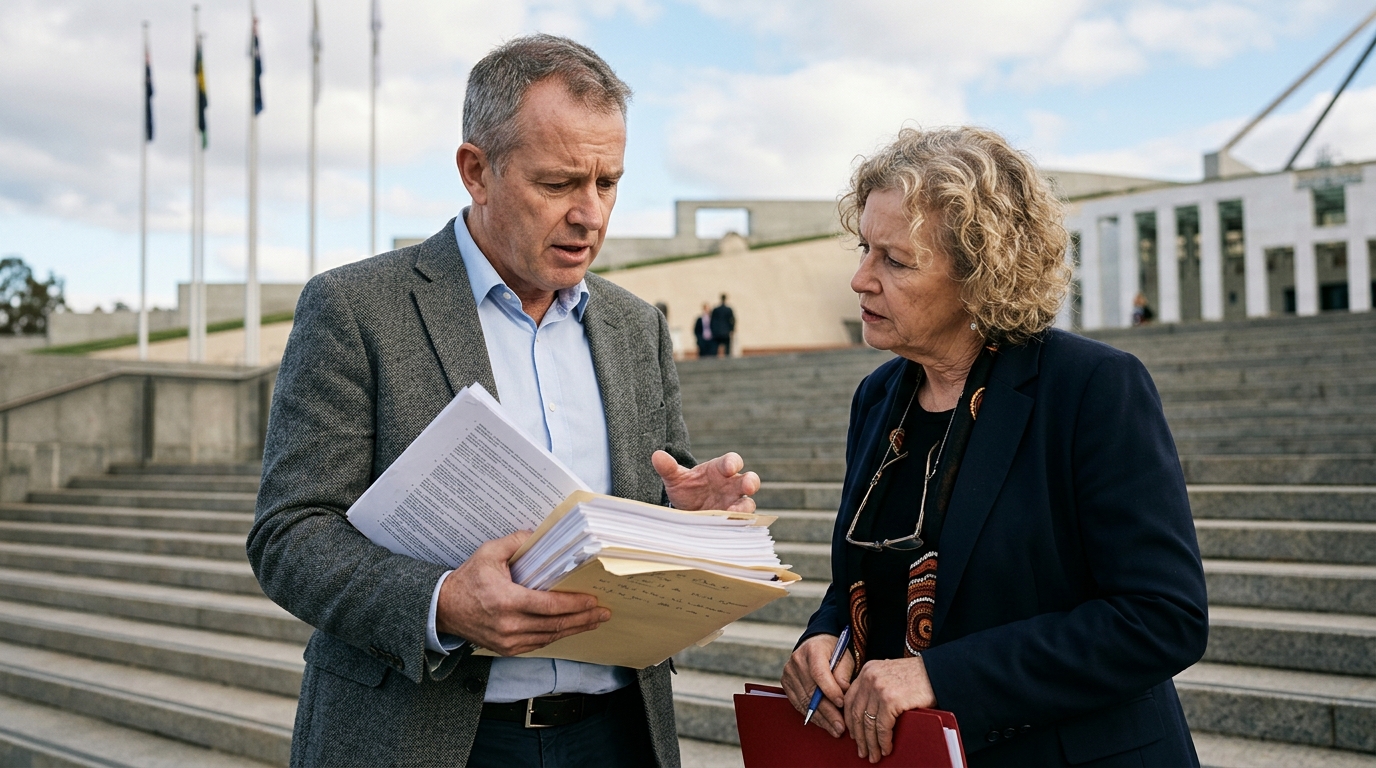
In a move that solidifies Greece's role as a central pillar of European energy security, EU Energy Ministers have greenlit the Council's negotiating position on the European Grids Package. This decision is far more than a bureaucratic milestone; it serves as a potent political and economic signal of support for three flagship projects of Greek interest aimed at redrawing the energy map of the Southeast Mediterranean and Central Europe.
The Grids Package represents Brussels' response to the urgent need for faster upgrades to energy transmission infrastructure to meet Green Deal targets. For Greece, this development translates into accelerated licensing procedures, easier access to financial tools, and, most importantly, a safeguard for these projects against geopolitical uncertainties.
The Great Sea Interconnector (GSI)
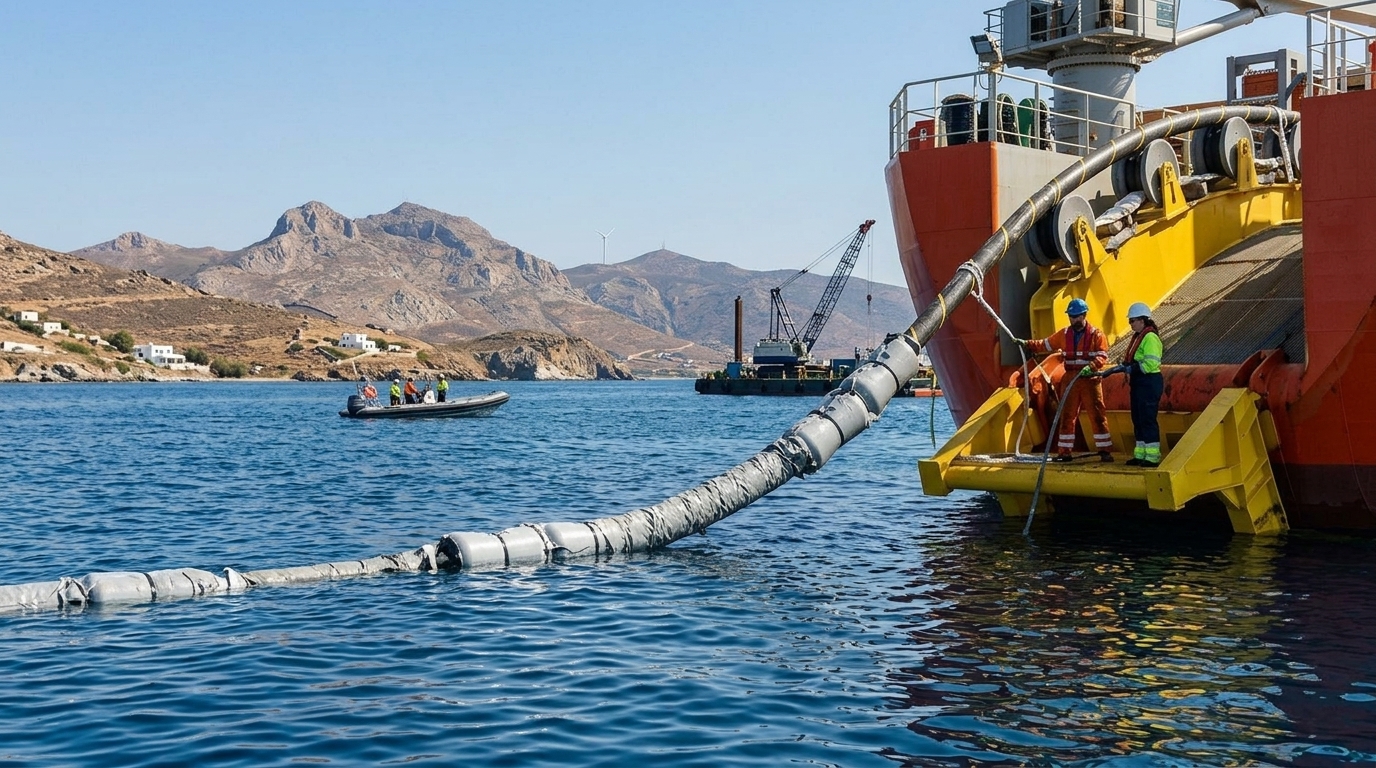
The most ambitious of the three projects is the Great Sea Interconnector (GSI), the electrical link set to connect Greece, Cyprus, and Israel. This project holds dual significance: economic and geostrategic. On one hand, it ends the energy isolation of Cyprus—the last EU member state remaining without an electrical connection to the rest of the continent. On the other, it creates an energy corridor from the Eastern Mediterranean to Europe, facilitating the export of green energy from Israel and Cyprus.
Through the new framework, the EU recognizes the GSI as a Project of Common Interest (PCI), ensuring that any regulatory hurdles or disputes between involved authorities are resolved via expedited processes. The geopolitical dimension is equally critical, as this interconnection passes through areas of strategic interest, making European backing indispensable for its realization.
The Vertical Corridor and the Hydrogen Transition
The second project receiving a vote of confidence is the Vertical Corridor. This initiative links the gas systems of Greece, Bulgaria, Romania, Hungary, Slovakia, Moldova, and Ukraine. The goal is to diversify supply sources and reduce dependence on Russian natural gas, utilizing Greek LNG infrastructure (such as Revithoussa and the Alexandroupolis FSRU) as a primary entry point.
However, the innovation of the European Grids Package lies in the fact that it does not treat the Vertical Corridor merely as a gas pipeline, but as future infrastructure for hydrogen transport. Greece aspires to become a producer and transit hub for green hydrogen, and integrating these networks into European priorities paves the way for the necessary technological upgrades of existing pipelines.
The Adriatic-Ionian Interconnection and Regional Cooperation
The third pillar concerns the strengthening of interconnections in the Adriatic and Ionian regions. Developing networks that allow for the bidirectional flow of energy between Greece and its Western Balkan neighbors, as well as Italy, is vital for system stability. With the increasing penetration of Renewable Energy Sources (RES), the need for "smart" and robust transmission grids becomes imperative.
The European decision prioritizes projects that reduce cross-border congestion and allow surplus energy from Greek wind and solar farms to reach the industrial zones of Central Europe. This not only boosts the Greek economy through exports but also contributes to lowering energy prices across the entire region.
Challenges and the Path Ahead
Despite this positive development, challenges remain. Financing these projects requires billions of euros, and while the EU provides the framework, attracting private capital is essential. Furthermore, national-level bureaucracy often delays the implementation of projects already approved by Brussels. The European Grids Package specifically aims to remove these obstacles by establishing the principle that energy infrastructure constitutes an "overriding public interest."
In conclusion, the EU's vote of confidence in Greek energy projects represents a historic opportunity. Greece is ceasing to be an isolated energy player and is transforming into an indispensable hub connecting three continents. The success of these projects will largely determine Europe's energy autonomy in the coming decades.