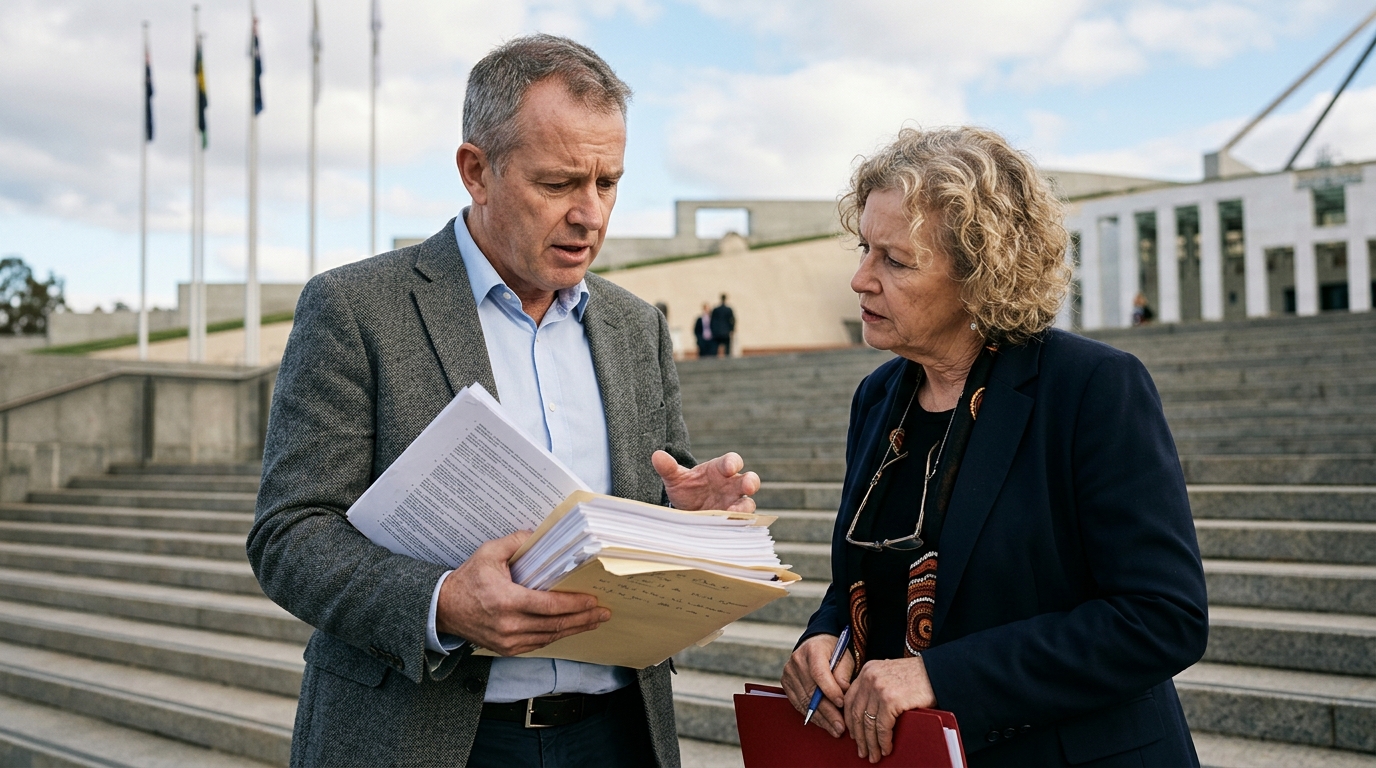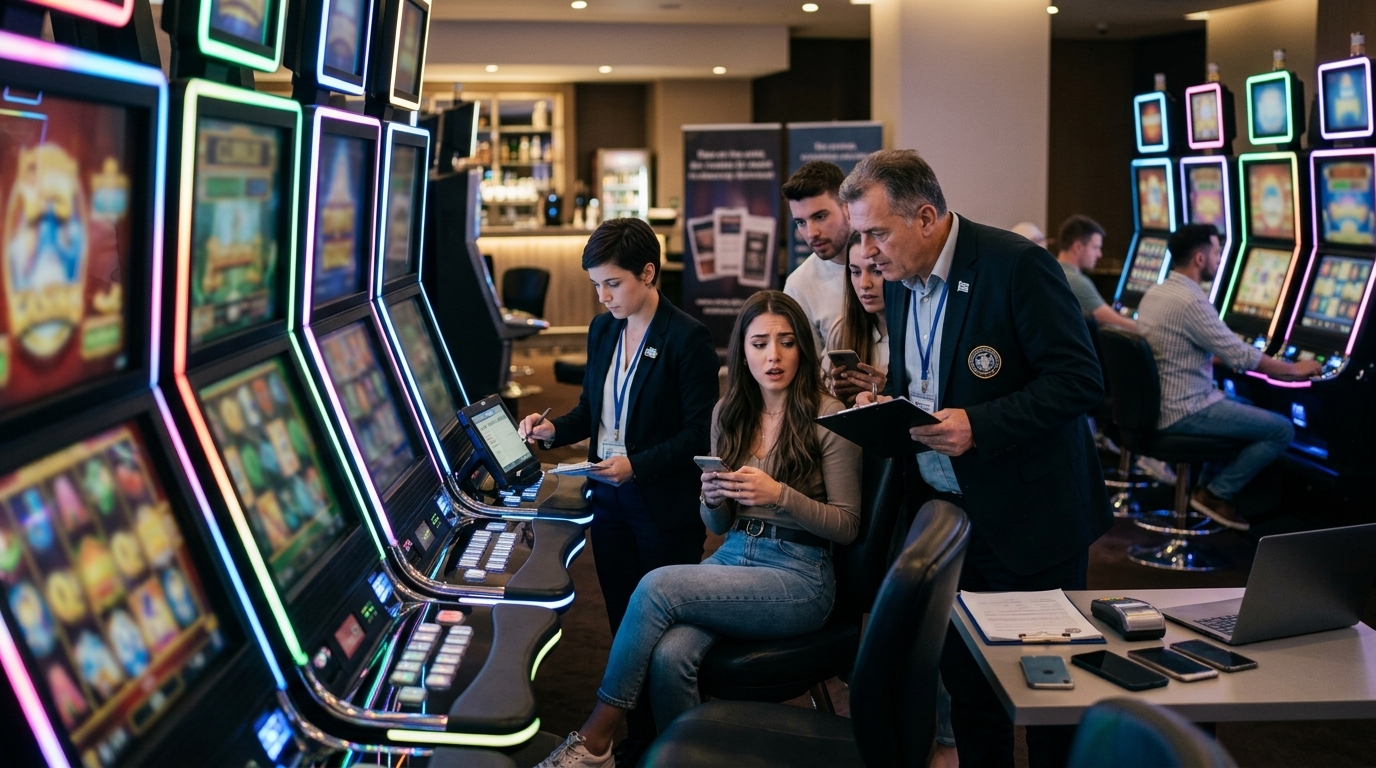
The rapid rise of the digital economy and the dominance of social media have created a new, uncharted territory for advertising, which is no longer remaining unchecked. The Hellenic Gaming Commission (EEEP), under the leadership of Antonis Bartholomeos, is proceeding with an unprecedented operation to "clean up" the digital landscape, targeting popular influencers and streamers allegedly promoting illegal gambling providers.
According to recent revelations, the Authority has already documented 18 specific cases of high-influence individuals who used their platforms to direct their audiences toward companies that do not hold a legal operating license in Greek territory. This phenomenon, often described as "shilling," is not merely an ethical lapse but a serious violation of Law 4002/2011, which carries heavy administrative and criminal penalties.
The Shift in Advertising and Risks to Youth
For years, gambling advertising was restricted to television and traditional media, where rules are clear and strict. However, streamers on platforms like Twitch, Kick, and TikTok have found ways to bypass these controls. The strategy is simple: the streamer plays "slots" or bets live, often using virtual money provided by the illegal company, creating an illusion of easy profit for their thousands of followers, many of whom are minors or young adults.
The EEEP recognizes that protecting vulnerable groups is its top priority. Influencers serve as role models for Gen Z and Gen Alpha. When a favorite content creator presents gambling as a fun and profitable lifestyle, the psychological defenses of viewers are lowered. Advertising unlicensed providers is doubly dangerous, as these companies are not subject to any oversight regarding Return to Player (RTP) rates, personal data protection, or addiction prevention.
Technology in the Service of Enforcement
The identification of these 18 cases was not accidental. The EEEP has invested in advanced internet monitoring tools and works closely with the Cybercrime Division. Inspections are not limited to obvious links in social media bios but extend to analyzing live streams, where influencers often promote promo codes for illegal casinos.
The legal framework is crystal clear: anyone who promotes, in any way, gambling conducted without a license, commits an offense. The "fines" being prepared by the EEEP are expected to be devastating, with penalties potentially reaching tens of thousands of euros per post, while platforms (Instagram, TikTok, YouTube) are simultaneously informed to proceed with the permanent closure of the violators' accounts.
The Blacklist and International Cooperation
The EEEP maintains a constantly updated "blacklist" of thousands of illegal provider domains. However, illegal providers continuously create "mirrors" (alternative addresses) to avoid blocking by Internet Service Providers (ISPs). This is where influencers become valuable to the illegal circuit, as they act as "bridges" leading players to new, unblocked addresses.
The Greek Authority is in constant communication with corresponding European regulatory authorities within the framework of GREF (Gaming Regulators European Forum). The problem is global, and Greece seeks to lead in creating a common front against illegal digital advertising. The impending legal action against the 18 influencers serves as a loud message to the entire content creator community: digital influence entails legal responsibility.
The Future of Digital Gambling Advertising
The EEEP's move is expected to reshape the influencer marketing landscape in Greece. Digital marketing agencies will now have to be extremely careful with the creators they collaborate with, ensuring there is no connection to illegal activities. Simultaneously, the state is considering tightening the framework for advertising even legal providers on social media to ensure that content does not reach individuals under 21.
In an era where artificial intelligence can even create virtual influencers promoting gambling, the vigilance of the authorities is imperative. The case of the 18 influencers is just the tip of the iceberg, and the follow-up is expected to be even stricter, aiming to eliminate a phenomenon that undermines public health and state revenues.