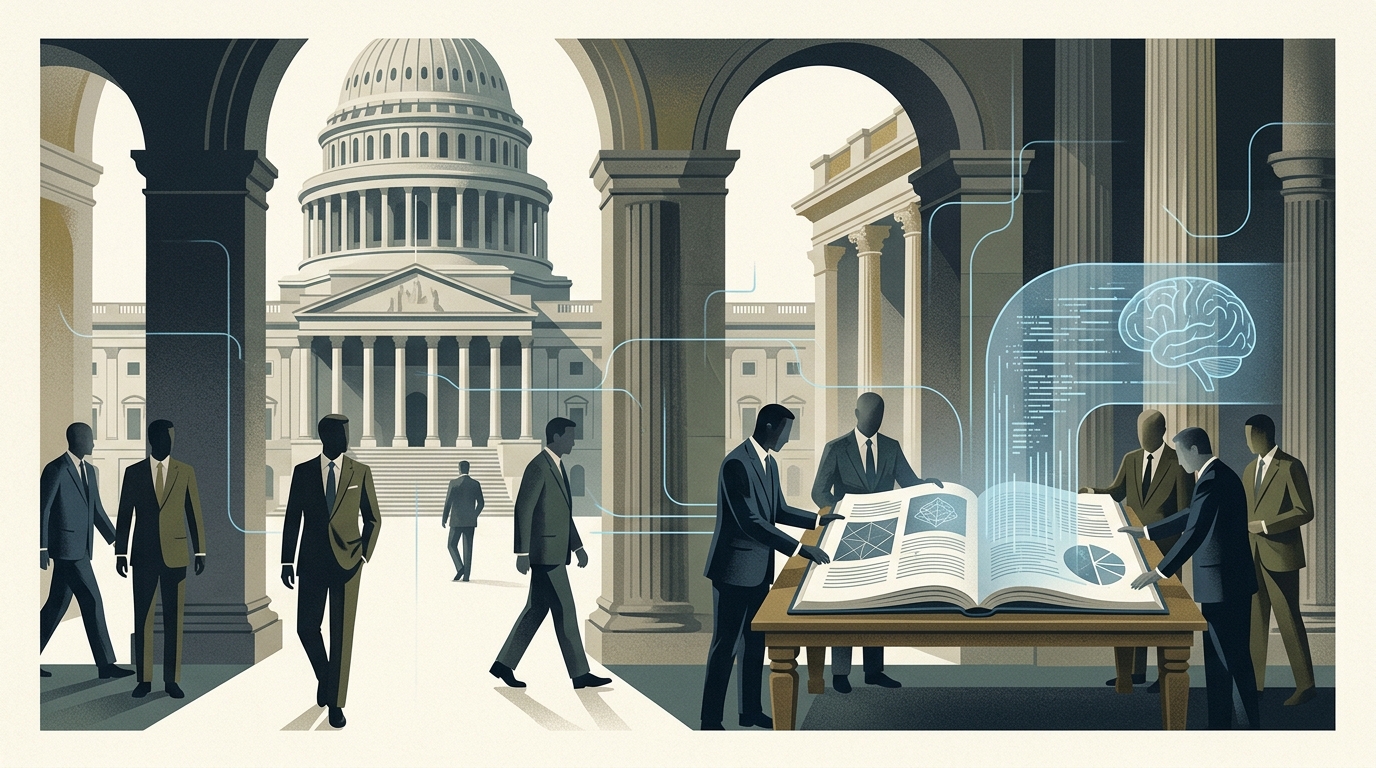
In a development set to fundamentally reshape the legal landscape of the digital age, a high court has issued a scathing ruling, holding Google legally responsible for incorrect information provided through its Artificial Intelligence systems. This decision, coming at a critical juncture for the integration of Generative AI into search engines, ends the years-long era of 'digital immunity' that platforms enjoyed under outdated legislative frameworks.
The End of Immunity: From Carriage to Creation
For decades, Google and other tech giants were shielded by laws such as the famous Section 230 in the US, which treated platforms as mere 'conduits' for information created by third parties. However, the court ruled that Artificial Intelligence fundamentally changes this relationship. When Gemini or any other AI model synthesizes an answer, it is not simply redirecting the user to a source; it is creating new content.
The court's ruling emphasizes that the process of 'synthesis' constitutes a form of editorial intervention. As AI selects which information to highlight, how to phrase it, and what to omit, it ceases to be a neutral intermediary and becomes a publisher. This distinction is legally explosive, as it removes the safety net that allowed companies to deploy technologies without fear of massive lawsuits for defamation or misinformation.
The Consequences of 'Hallucination'
The core of Google's defense rested on the fact that AI 'hallucinations' are a known technical phenomenon, inherent to the nature of Large Language Models (LLMs), and that users are warned about the possibility of errors. The court, however, rejected this argument, stressing that disclaimers do not absolve a company of liability when its product causes tangible harm.
In this specific case, Google's AI allegedly provided false and damaging information regarding an individual's professional background, leading to severe moral and financial injury. The ruling states that if a company chooses to replace traditional search with AI answers to increase profits and user engagement, it must guarantee the accuracy of its statements, just as any traditional media outlet would be required to do.
A New Era for the Tech Industry
This decision is expected to trigger a chain reaction in the global market. Analysts predict that Google, Microsoft, and OpenAI will be forced to invest billions in fact-checking mechanisms and curb the creativity of their models to avoid legal entanglements.
- Increased operational costs for AI systems due to the need for stricter oversight.
- Potential withdrawal of certain AI features from regions with strict legal frameworks.
- Strengthening the position of traditional publishers claiming copyright and accuracy.
In Europe, where the AI Act is already in full force in 2026, this ruling serves as a confirmation of the need for transparency and accountability. EU regulators are expected to use this precedent to impose even heavier fines in cases of systemic misinformation by algorithms.
Conclusion: Truth as a Legal Obligation
The court's message is clear: innovation cannot proceed at the expense of truth. The era where tech companies could experiment with reality in real-time, using millions of users as guinea pigs without consequences, appears to be coming to an end. Google is now called upon to prove that its technology can be not only intelligent but also reliable. In a society already reeling from a crisis of trust, judicial intervention may be the last bastion for protecting objective truth.