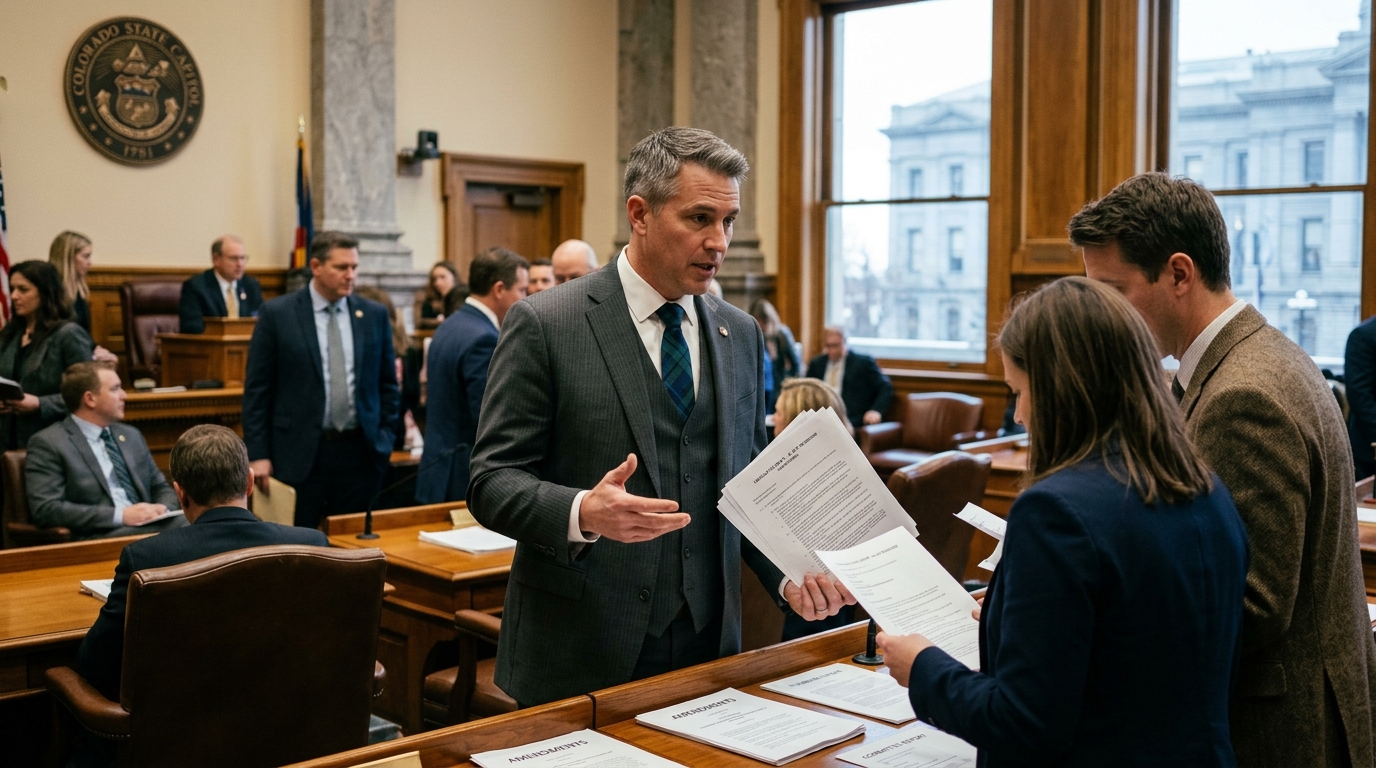
The state of Colorado finds itself once again at the epicenter of the global debate over technological governance. Less than a year after signing Senate Bill 24-205—the first law in the United States to impose strict rules to prevent algorithmic discrimination—lawmakers in Denver have embarked on a process of radical revision. This move, while expected by those tracking the behind-the-scenes maneuvers of Silicon Valley, raises fundamental questions about whether democratic oversight can keep pace with technological evolution without surrendering to corporate interests.
The Birth of a Contentious Standard
When Governor Jared Polis signed the original bill in May 2024, he did so with an unusual signing statement expressing "serious reservations." The law was designed to protect citizens from biased algorithms in critical areas such as employment, housing, banking, and insurance. However, the tech industry reacted fiercely, arguing that compliance requirements would stifle innovation and force startups to flee the state.
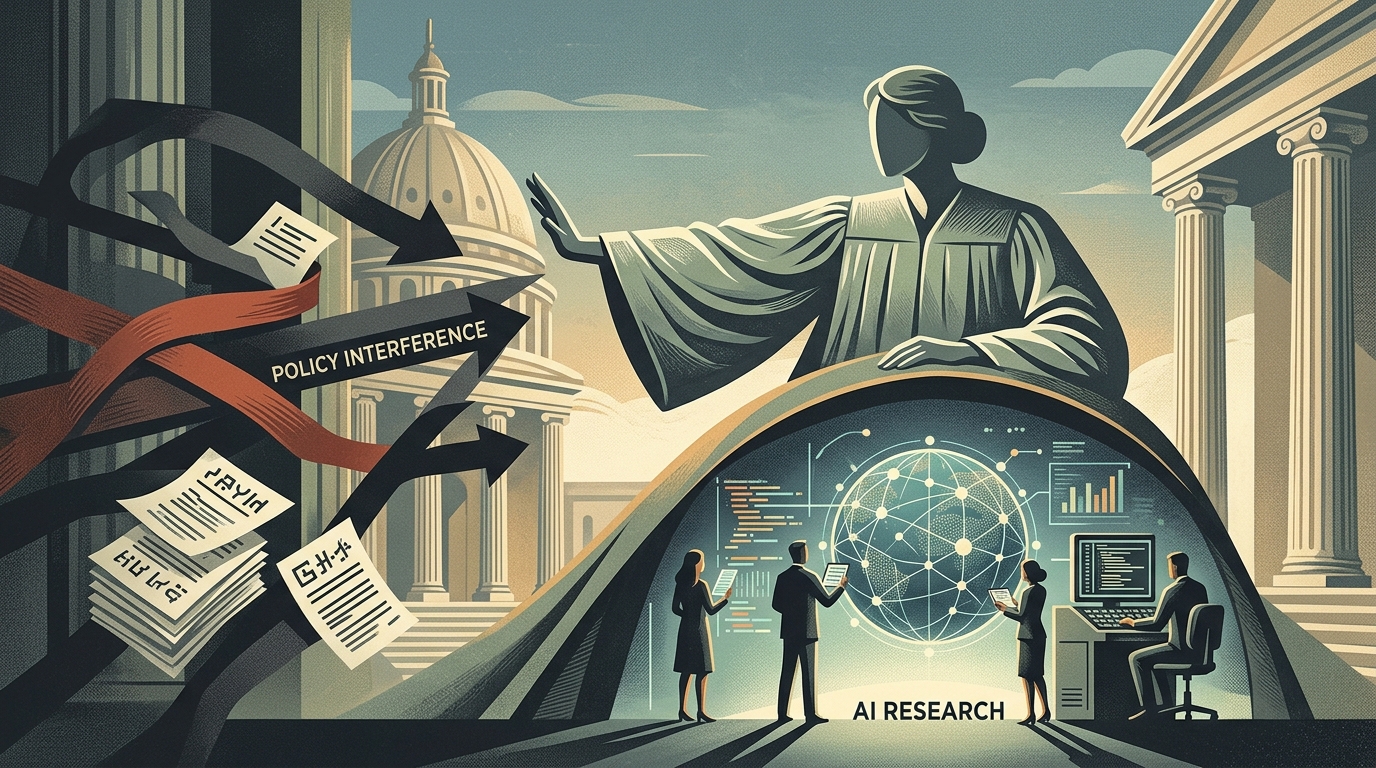
The current rewrite aims to clarify definitions and reduce the administrative burden on companies developing AI systems. Proponents of the change argue that without these corrections, the law would be unenforceable and legally vulnerable. Conversely, consumer protection groups and labor unions fear that the amendments will gut safeguards, turning a landmark law into a toothless set of suggestions.
The Friction Point: Accountability vs. Innovation
The central issue in the rewrite is the allocation of responsibility between "developers" and "deployers" of artificial intelligence. Tech giants like Google and Microsoft argue they cannot be held liable for how a third-party organization uses their tools. On the other hand, smaller businesses using these tools claim they lack the technical expertise to audit the internal workings—the "black box"—of the algorithms they purchase.
- High-Risk Definition: The rewrite seeks to narrow the scope of applications considered "high-risk," potentially exempting software that performs simple administrative tasks.
- Liability Safe Harbors: Clauses are being proposed to protect developers if they provide adequate documentation of risks, shifting the legal burden to the end-user.
- Data Privacy: There is a heated debate over how training data should be audited without infringing on corporate trade secrets.
This balance is incredibly delicate. If Colorado retreats too far, it risks setting a precedent where AI regulation is merely nominal. If it remains too rigid, it may find itself economically isolated from the broader U.S. tech ecosystem.
National and Global Implications
Why is the world watching a state of 5.8 million people? The answer lies in what legal scholars call "The Brussels Effect," but on an American scale. In the absence of federal legislation from the U.S. Congress, state laws become the de facto national standards. Just as California set the emissions standards for automobiles, Colorado aspires to define the ethics of artificial intelligence.
"We cannot wait for Washington to act. But we must ensure our laws are smart, workable, and do not punish progress," a member of the legislative committee stated during a recent hearing.
However, the political pressure is immense. With elections approaching and economic uncertainty looming, no politician wants to be accused of "driving tech away." This leads to a compromise that often favors powerful market players who possess the armies of lobbyists required to influence the technical minutiae of the law.
Conclusion: The Future of Digital Democracy
The rewrite of Colorado's AI law is a reminder that legislation in the digital age is not a static document but a living, evolving process. The challenge for lawmakers is not just to write rules, but to build a framework of trust. Citizens must know that an algorithm won't deny them a job or a loan due to bias, and businesses must have the confidence that the rule of law won't be an obstacle to their creativity. The final text emerging from Denver will serve as a roadmap for many other governments worldwide.