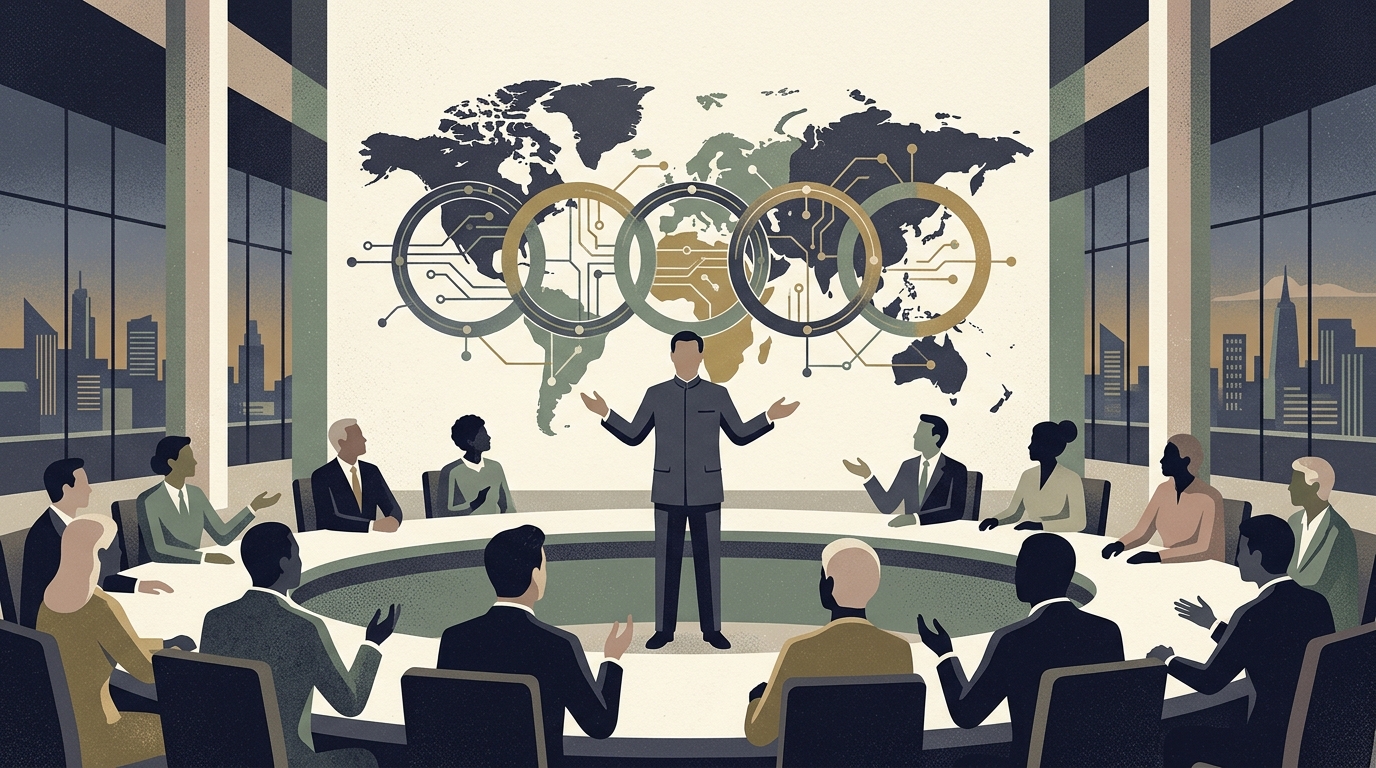
For decades, the internet operated on an unwritten "gentleman's agreement." Website owners allowed search engines to crawl their content in exchange for traffic and visibility. However, the rise of generative artificial intelligence (AI) has shattered this social contract. Today, companies like OpenAI, Google, and Perplexity are not just crawling the web to index information; they are "ingesting" the creativity of millions to train models that often replace the very sources they rely on. In this volatile landscape, Cloudflare, the internet infrastructure giant, has taken a stand by offering its customers a "panic button" against AI crawlers.
The Death of the Robots.txt Gentleman's Agreement
The robots.txt file was once the ultimate rule of digital etiquette—a simple piece of code that told bots where they were allowed to go and where they weren't. But in the AI arms race, etiquette has been discarded. Many AI firms are now accused of blatantly ignoring these directives or using cloaking techniques to bypass restrictions. Cloudflare has observed a disturbing trend: AI crawlers are not just persistent; they are actively trying to mimic human users by using spoofed user-agents and rotating IP addresses.
Cloudflare's new feature allows website administrators to block all known AI scrapers with a single click. This is not merely a blacklist. The company utilizes advanced machine learning models to identify bot behavior in real-time. Even if a crawler attempts to hide behind a residential proxy, Cloudflare can identify the "digital fingerprint" of its activity and deny entry, thereby protecting the intellectual property of its clients.
The Data Economy and the Right to Refuse
The stakes are profoundly economic. Data is the "oil" of the new era, and content publishers are realizing they have been handing over their raw materials for free to future competitors. When an AI model can summarize a 2,000-word article into three coherent paragraphs, the user no longer has a reason to visit the original site. This leads to a collapse in advertising revenue and, by extension, a threat to the very viability of journalism and independent content creation.
- Publishers are now demanding compensation for the use of their data.
- Cloudflare acts as an intermediary protector, giving bargaining power to smaller players.
- This move forces AI companies to seek legal licensing pathways.
However, there is another side to the story. Some analysts warn that if all high-quality content is locked behind firewalls, the internet will become a fragmented space of "walled gardens." This could lead to a degradation in the quality of AI models, which would be forced to train on less reliable or synthetic data, creating a feedback loop of misinformation and "model collapse."
Toward a New Communication Protocol
Cloudflare’s initiative is a direct response to the failure of regulators to keep pace with technological speed. While the European Union's AI Act attempts to set rules for the transparency of training data, enforcing these rules in practice is extremely difficult. Cloudflare's technology offers an immediate, technical solution to a legal and ethical problem.
"Protecting content is not just a matter of intellectual property; it is a matter of survival for the free web," industry experts suggest.
The remaining question is whether we will see the emergence of a new protocol to replace robots.txt—a system that doesn't just say "yes" or "no" but negotiates the terms of access: "You can read my content if you pay the appropriate fee or credit the source in a specific manner." Until then, the war between creators and algorithms will be fought on the infrastructure of Cloudflare and other security providers, with the very essence of information at stake.