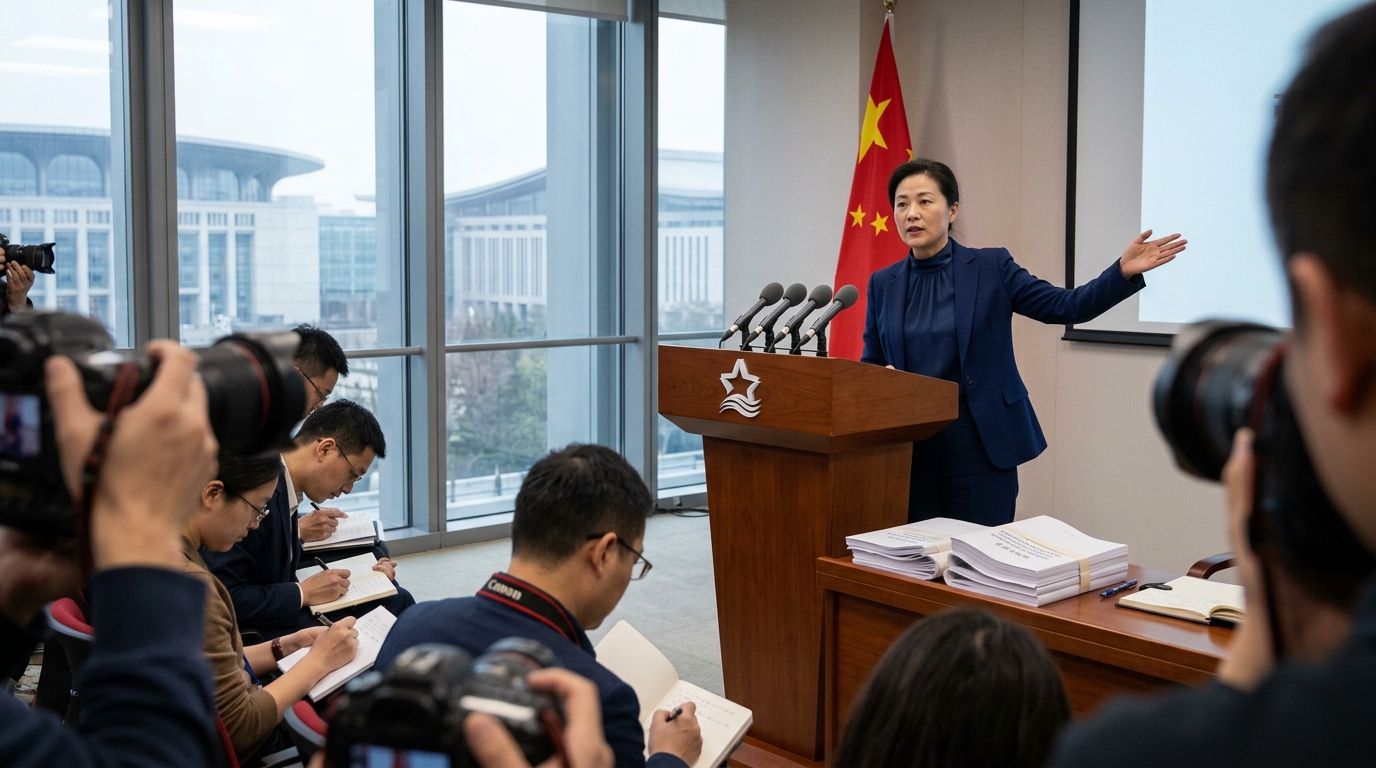
In a move that signals a definitive shift from traditional manufacturing to an economy powered by intelligent consumption, the Chinese government has unveiled a comprehensive action plan to weave Artificial Intelligence (AI) into the very fabric of daily life. The announcement, spearheaded by the Ministry of Industry and Information Technology (MIIT) in coordination with other key agencies, represents more than just a technological upgrade; it is a calculated strategic maneuver to ensure economic resilience in an increasingly volatile global environment.
This initiative arrives at a pivotal juncture for the world's second-largest economy. With domestic demand showing signs of fatigue and international export pressures mounting, Beijing is betting on AI as the ultimate catalyst to unlock new efficiencies and stimulate consumer spending. The plan details subsidies and promotional frameworks for 'smart' products—ranging from household appliances that interact via Large Language Models (LLMs) to the full-scale automation of customer service within the e-commerce sector.
The Digital Transformation of Retail
The core of this new strategy lies within the retail sector. China, already a global leader in digital payments and live-streaming commerce, now aims to introduce 'digital humans' and sophisticated AI assistants to provide a personalized, 24/7 shopping experience. These digital ambassadors are not mere chatbots; they are advanced avatars capable of analyzing consumer sentiment and preferences in real-time, offering advice that mimics human intuition and empathy.
Furthermore, the government is encouraging e-commerce giants to utilize AI for supply chain optimization. By predicting demand with unprecedented accuracy, businesses can minimize inventory overhead and accelerate delivery times, simultaneously reducing costs and enhancing consumer satisfaction. This AI integration extends to the physical realm as well, with 'smart stores' utilizing gesture recognition and biometric data to offer frictionless, checkout-free shopping experiences—a concept similar to Amazon Go, but projected on a vastly larger national scale.
Subsidies and the Hardware Push
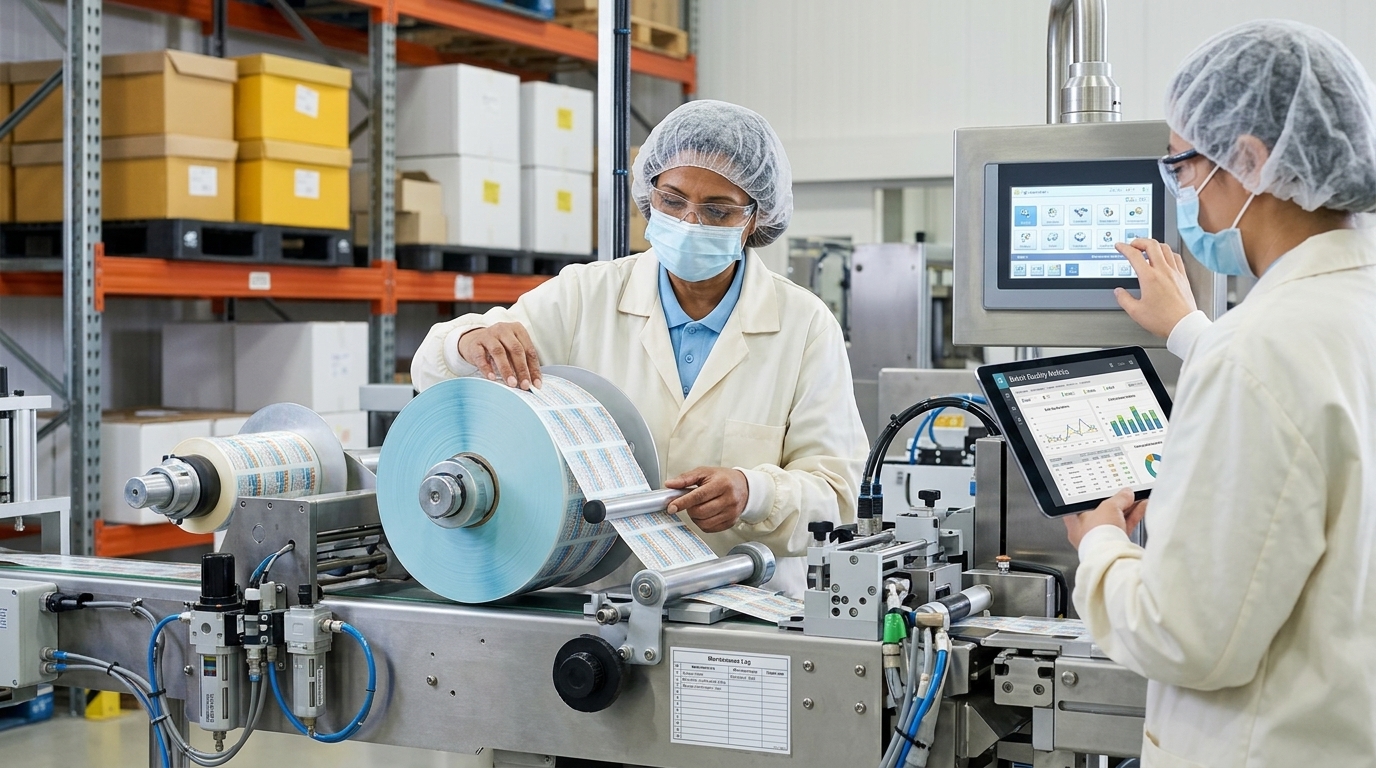
A fundamental pillar of these measures is the focus on hardware. Beijing recognizes that advanced algorithms require powerful hardware to function effectively. Consequently, the government has announced incentives for the purchase of 'AI PCs' and next-generation smartphones featuring on-device AI capabilities. This approach ensures high processing speeds while addressing growing concerns regarding data privacy by keeping sensitive information on the local device rather than the cloud.
Chinese tech titans such as Huawei, Xiaomi, and Lenovo are already at the forefront of this push, developing proprietary chips and operating systems to reduce reliance on Western technology. State support in this arena is not merely about consumption; it is a matter of national security. China seeks to build a self-sufficient, closed-loop technological ecosystem that remains resilient against external sanctions and geopolitical shifts.
Social Implications and Ethical Governance
However, the mass integration of AI into consumption raises profound questions about data protection and the psychological impact on the populace. While the Chinese government is aggressively promoting the technology, it has also instituted strict ethical guidelines for AI. Companies are required to ensure that their algorithms are unbiased and that users retain a degree of control over their personal data.
Simultaneously, there is the looming concern that hyper-automation could lead to significant job displacement within the service industry. Beijing’s response involves a massive focus on workforce re-skilling and the creation of new professional roles dedicated to the management and maintenance of AI systems. The success of this transition will determine whether China can successfully evolve into an 'intelligent' superpower or if it will face new forms of social inequality.
Conclusion
China's strategy to fuse AI with consumption is a bold economic experiment. If successful, it could provide a blueprint for a new model of growth—one predicated on technological innovation and robust domestic demand, making the nation less vulnerable to global market fluctuations. For the rest of the world, it serves as a clear signal: the battle for AI supremacy will not only be fought in research labs and data centers but also in the aisles of supermarkets and on the screens of every consumer's smartphone.