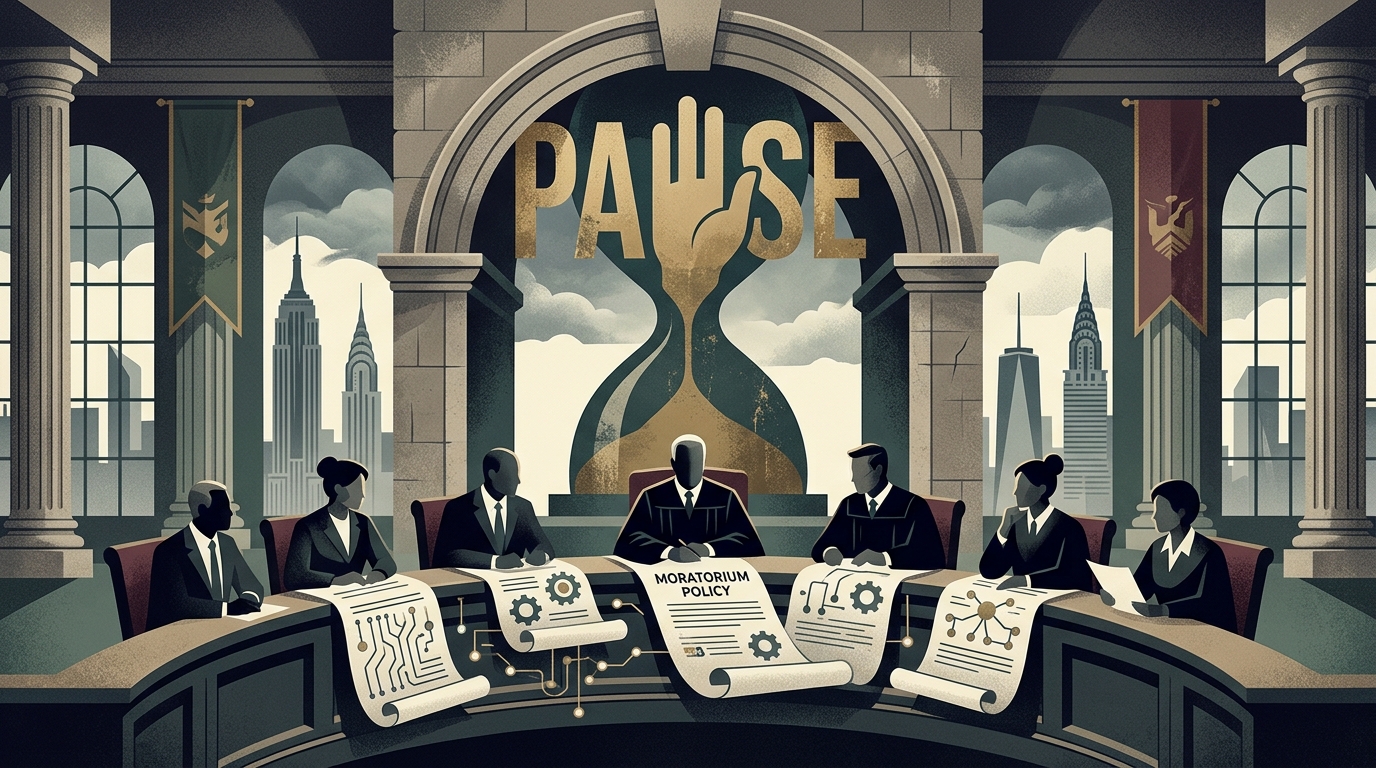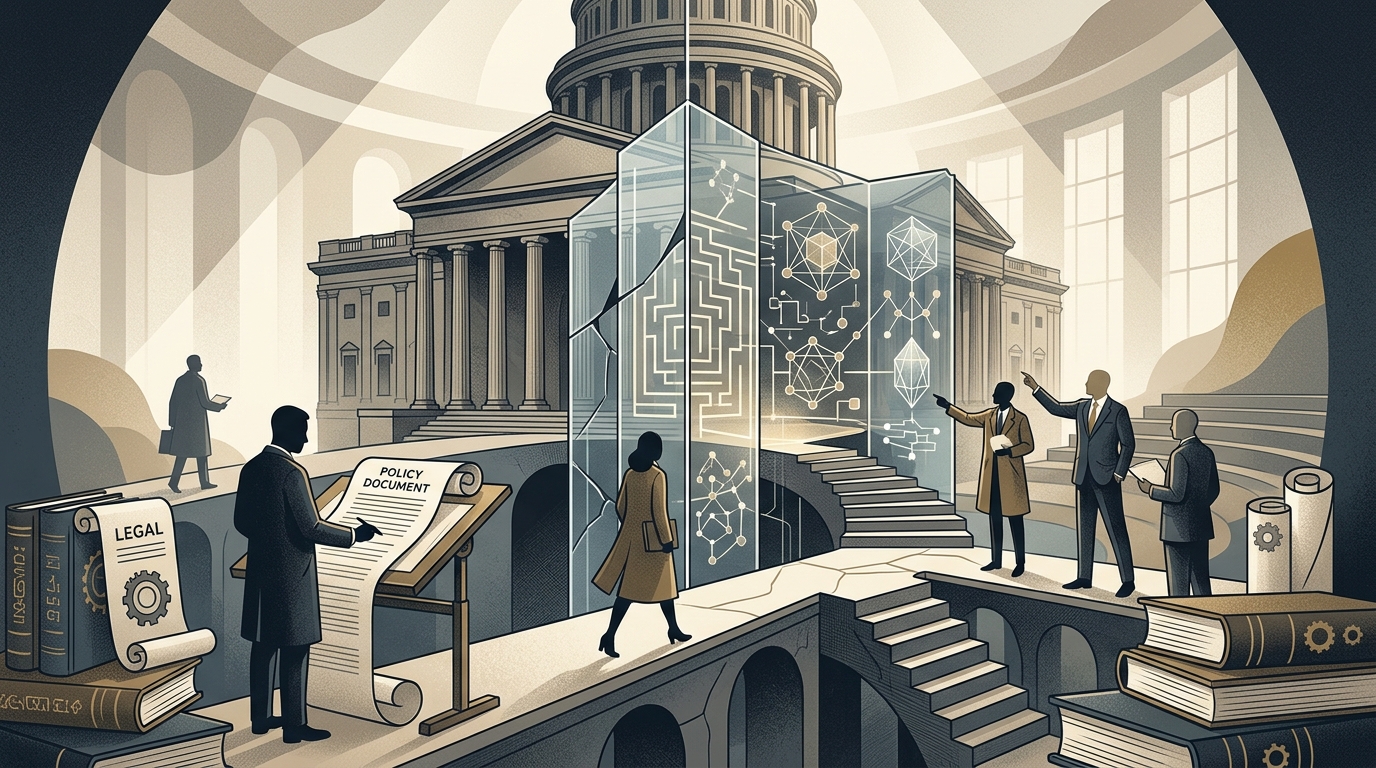
The educational landscape of Broward County, Florida, has become the frontline of a critical debate regarding the integration of artificial intelligence in public schools. In a move that has sent ripples across the United States, the Broward School Board recently voted to pause the rollout of an AI platform intended for use by educators. This decision marks a significant moment of friction, where the rush for technological modernization meets the rigid requirements of data privacy and institutional ethics.
The suspension of the AI initiative stems from a complex web of concerns, primarily focusing on how student and teacher data is handled, stored, and potentially monetized by third-party vendors. In an era where data is the ultimate currency, the exposure of minors' personal information to opaque algorithms is a risk the board was no longer willing to tolerate without ironclad guarantees. The debate preceding the vote highlighted a growing skepticism toward the "move fast and break things" ethos of Silicon Valley when applied to the sensitive environment of a classroom.
The Conflict Between Innovation and Safeguarding
The AI platform in question was designed as a productivity tool for teachers, offering assistance in lesson planning, grading support, and administrative efficiency. While the promises of reduced workload and personalized instruction are enticing, board members raised red flags concerning the platform's terms of service. The central question was clear: "Where does this data go, and who truly owns it?"
Beyond privacy, the board expressed worries about the inherent risks of generative AI, including algorithmic bias and the phenomenon of "hallucinations"—where AI generates factual inaccuracies. For a school district as large as Broward, the stakes are incredibly high. The board's caution reflects a broader realization that adopting AI is not merely a software upgrade but a fundamental shift in the pedagogical and legal architecture of the school system.
The Regulatory Void and District Responsibility
One of the most pressing issues highlighted by this pause is the lack of comprehensive federal or state regulations specifically targeting generative AI in education. Existing frameworks, such as the Family Educational Rights and Privacy Act (FERPA), were established long before the advent of large language models. Consequently, local school boards are being forced to act as de facto regulators, vetting complex software contracts that often obscure the extent of data harvesting.
The Broward case illustrates a growing trend of "digital due diligence." Educational leaders are beginning to understand that "free" or subsidized AI tools often come at the cost of surrendering access to invaluable behavioral and learning data. By halting the rollout, Broward is setting a precedent, signaling to the EdTech industry that school districts will no longer accept vague assurances regarding security and transparency. This move encourages other districts to prioritize student safety over the fear of being left behind in the technological race.
The Path Forward for AI in Schools
Despite the current pause, the integration of AI into education is likely inevitable. The challenge lies in building an "ecosystem of trust." This necessitates a collaborative approach involving technologists, legal experts, and educators to develop tools that are "secure by design." The Broward School Board has indicated that it will revisit the rollout only after a more rigorous vetting process is established and a clearer framework for vendor accountability is in place.
"We are not anti-technology; we are pro-student protection," remarked one board member during the session.
This sentiment captures the essence of the current moment: technology must serve the educational mission, not compromise it. The Broward decision will serve as a case study for school districts worldwide, potentially acting as a catalyst for stricter standards in the EdTech industry and a more thoughtful, human-centric approach to digital transformation in the classroom.