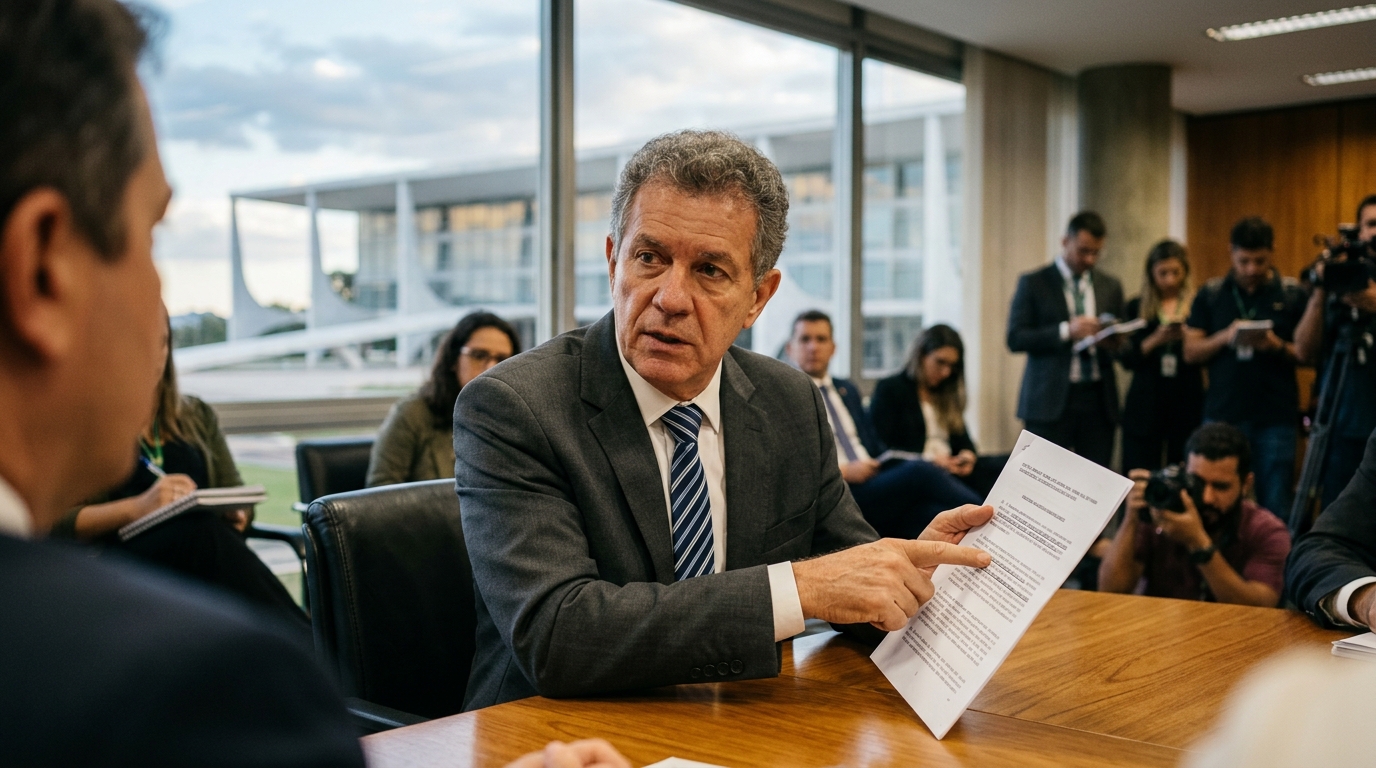
In a move set to reshape the digital landscape in Latin America, Brazilian President Luiz Inácio Lula da Silva issued two sweeping decrees on Wednesday, May 20, 2026. These measures directly target technology giants, imposing stricter rules on content moderation, the fight against hate speech, and the curbing of misinformation. This action is not merely a domestic policy initiative but a clear declaration of digital sovereignty in a country that has been at the epicenter of fierce political conflicts played out over social media.
Digital Sovereignty at the Forefront
The new decrees come after a long period of friction between the Brazilian government and platforms such as X (formerly Twitter), Telegram, and Meta. The Lula administration argues that "digital lawlessness" provided the fertile ground for the events of January 8, 2023, when supporters of his predecessor, Jair Bolsonaro, stormed government buildings in Brasília. According to the first decree, social media platforms are now required to adopt a "duty of care," making them legally liable for failing to remove content that incites violence or threatens democratic institutions.
The second decree focuses on algorithmic transparency and the management of user data. Big Tech companies will be required to provide detailed reports on how their algorithms promote content, especially during election cycles or national crises. Furthermore, an enforcement mechanism is introduced with fines that can reach up to 10% of the company's annual turnover in Brazil, making the cost of non-compliance prohibitive.
The Tech Giants' Response
Predictably, the reaction from the technology sector was immediate and critical. Representatives from major firms warn that the new rules could lead to "proactive censorship," as platforms may prefer to take down legal content rather than risk exorbitant fines. Silicon Valley views Brazil as a dangerous precedent that could inspire other emerging economies to impose similar restrictions, potentially fragmenting the global nature of the internet.
- Mandatory Removal: Platforms must remove illegal content within 24 hours of notification.
- Ad Transparency: Full disclosure of sponsors for political advertisements is now required.
- Minor Protection: Stricter controls for children's access to inappropriate content.
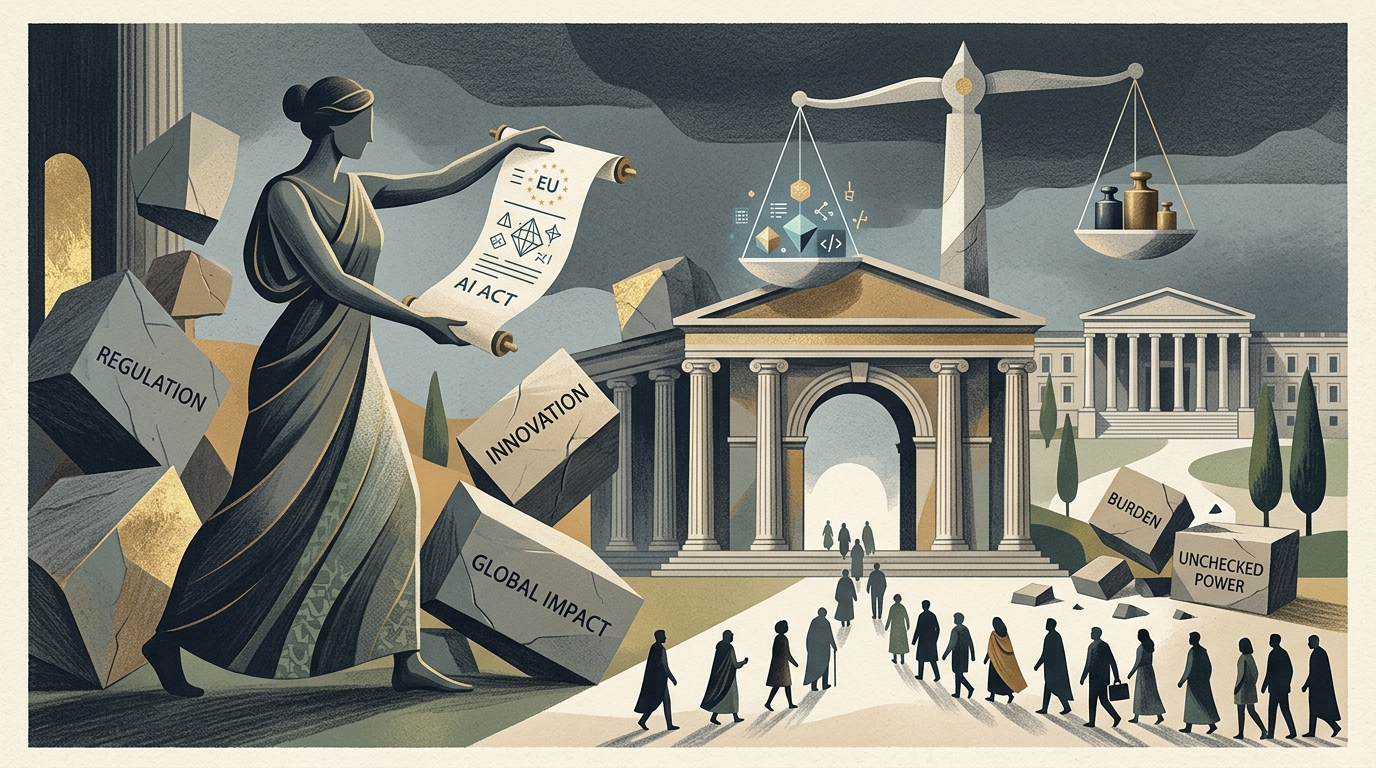
Lula, however, remains firm. In his statements, he emphasized that "freedom of expression is not a license to commit crimes or destroy democracy." His strategy appears to align with the European Union's Digital Services Act (DSA), but with a more aggressive stance reflecting Brazil's unique internal challenges.
Political and Economic Stakes
Brazil is the world's fifth-largest market for social media, giving the government significant bargaining power. For Lula, this regulation is also a tool to limit the influence of the far-right opposition, which has dominated the digital space in recent years. Conversely, critics accuse him of using the "fight against misinformation" as a pretext to silence political opponents.
"We cannot allow private companies based on other continents to dictate the terms of public debate in our country without any accountability," stated Brazil's Minister of Justice.
Going forward, the success of these decrees will depend on the ability of the Brazilian judiciary to implement them without infringing on fundamental rights. The international community is watching closely, as Brazil's experiment could serve as a blueprint for how 21st-century democracies handle the power of Big Tech.