In the rapidly shifting landscape of modern technology, a new term has taken center stage: "Vibe Coding." This refers to a development process where the user doesn't write a single line of traditional code, but instead describes an idea in natural language to an AI model, which then generates and executes the application in real-time. However, this new era of software democratization has hit a familiar barrier: Apple's App Store.
In recent weeks, Apple has begun rejecting or removing apps built on the vibe coding philosophy, citing the infamous Guideline 2.5.2. This move has sparked waves of fury within the developer community, who view Apple as an anachronistic gatekeeper attempting to stall the inevitable future of software creation.
The Rise of the Vibe Coder and the Promise of Creativity
Vibe coding is more than just a technique; it is a cultural shift. Tools like Replit Agent and Cursor have demonstrated that the barrier to entry for programming is no longer knowing Python or Swift syntax, but rather clarity of thought and the ability to communicate with AI. For Apple, however, this flexibility represents a direct threat to its model of total control.
Guideline 2.5.2 dictates that apps must be self-contained and are not permitted to download or execute external code that alters their fundamental functionality. In the age of AI, where code is generated dynamically on the fly, this provision has become the ultimate weapon for censoring innovation. Developers argue that Apple fears the loss of its 30% commission and its grip on what constitutes an "app."
Security or Monopolistic Tactics?
Apple's official stance remains unwavering: user security and privacy are paramount. By allowing an app to generate and run unchecked code, they argue, a door is opened for malware that could bypass App Store review processes. It is an argument with some merit, but in the era of the Digital Markets Act (DMA) in Europe, it sounds increasingly like a pretext for maintaining a monopoly.
- Vibe coding apps allow users to build bespoke tools tailored to their needs in seconds.
- Apple requires every executable piece of software to pass through its own approval gauntlet.
- The conflict highlights the chasm between static traditional development and dynamic AI-driven development.
Many analysts point out that if Apple continues this strategy, it risks losing a new generation of creators. "AI-native" developers are already pivoting toward Progressive Web Apps (PWAs) or Android, where the freedom to experiment is significantly higher. The irony is palpable: Apple promotes AI integration within its own hardware but seems terrified when that same technology empowers users to bypass its ecosystem.
The Political Dimension and the Future of the Ecosystem
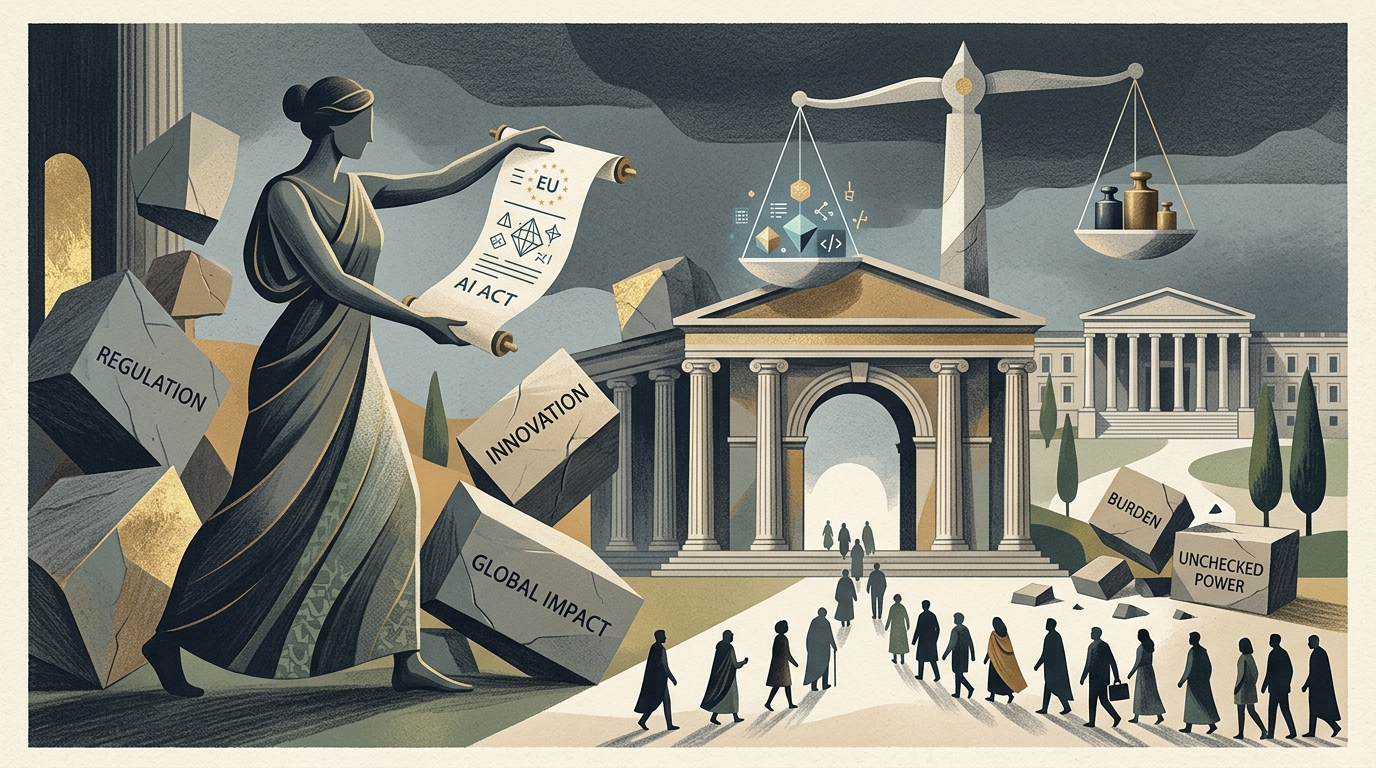
This crackdown does not occur in a vacuum. With the European Union pushing for greater openness in operating systems, Apple's stance on vibe coding may become the next major battleground in the courts. If AI-generated software is legally classified as "content" rather than "code," Apple will lose its legal standing to prohibit it.
"Apple is trying to enforce 2008 rules on 2026 technology. It's like trying to restrict the internet because you can't curate every single website a user might visit," says one developer whose app was recently delisted.
In conclusion, the clash over vibe coding is a battle for the soul of the future of computing. Will we remain in a world where creativity is filtered through corporate interests, or will we move into an era where anyone can be a software creator? Apple has taken its stand, and it is firmly on the side of the status quo.