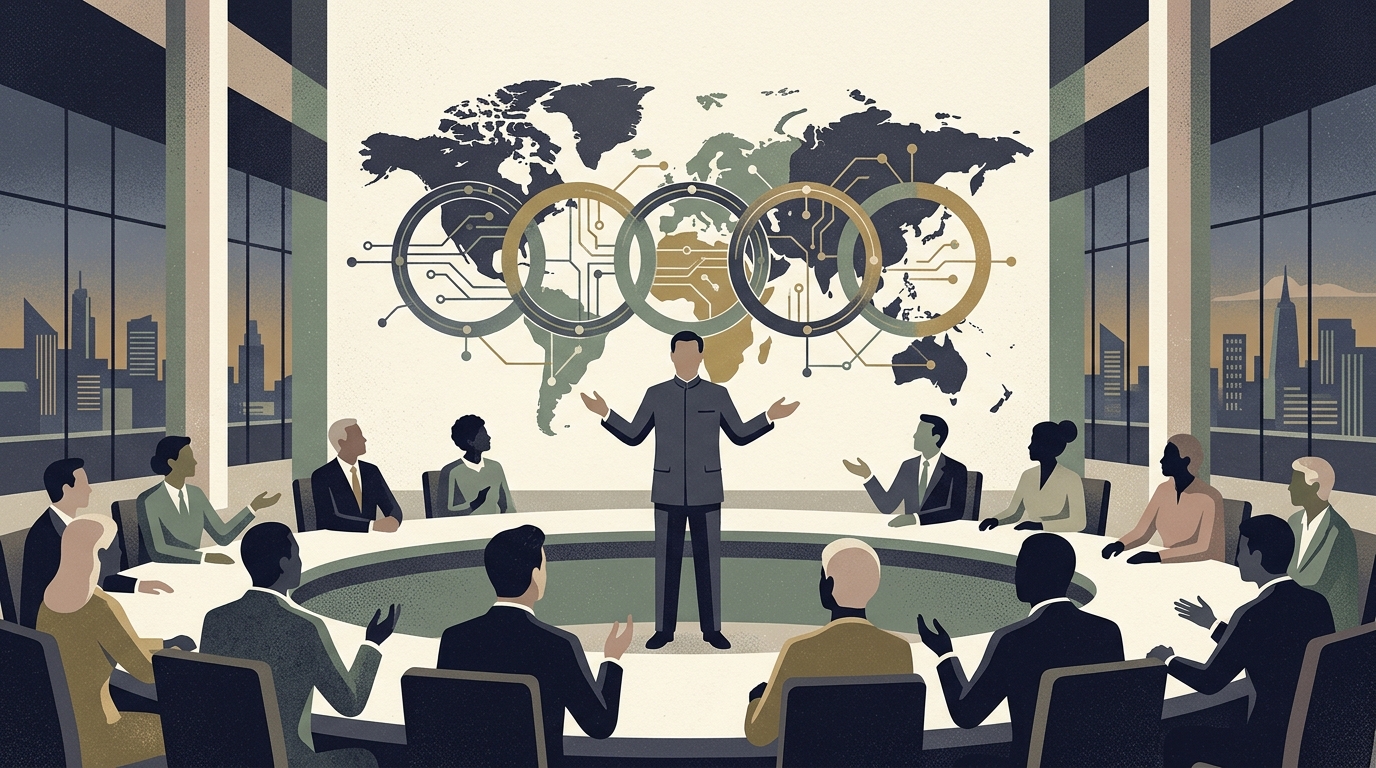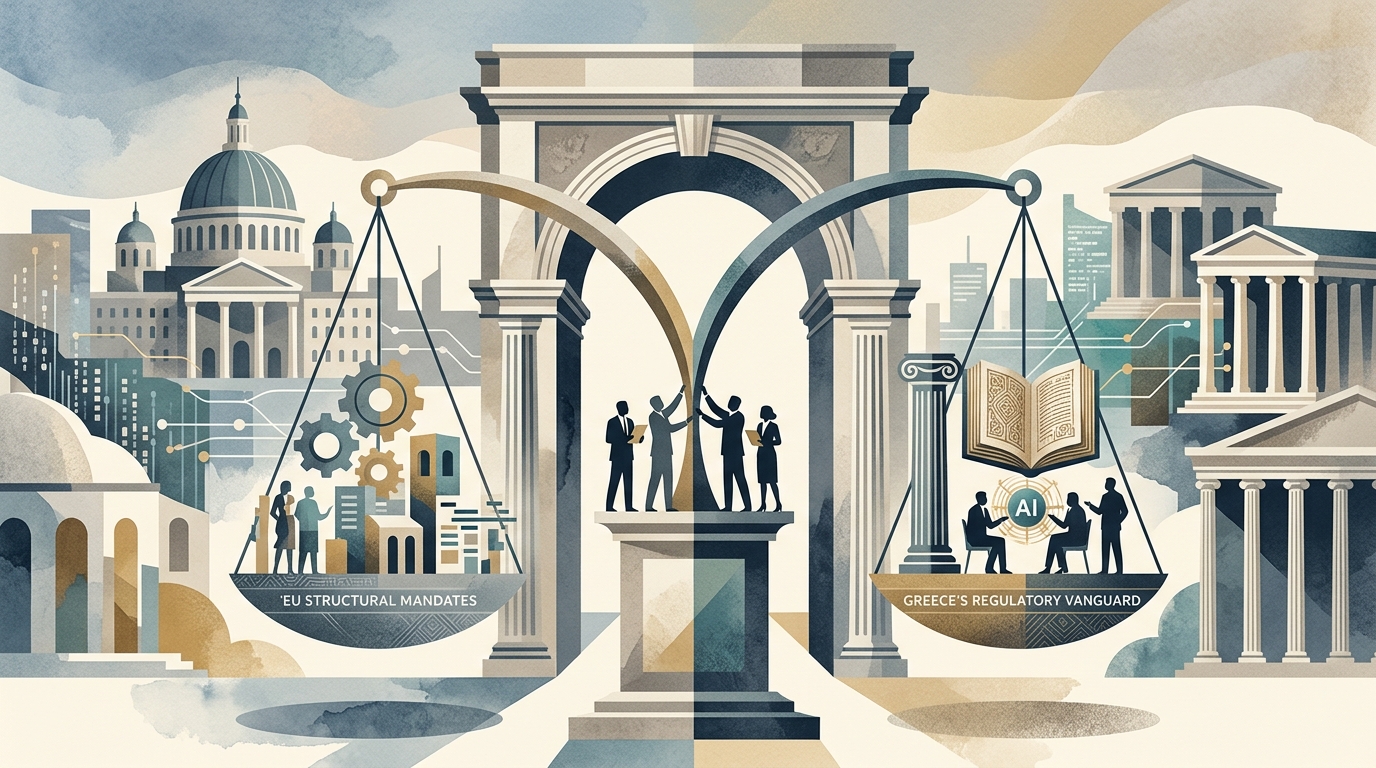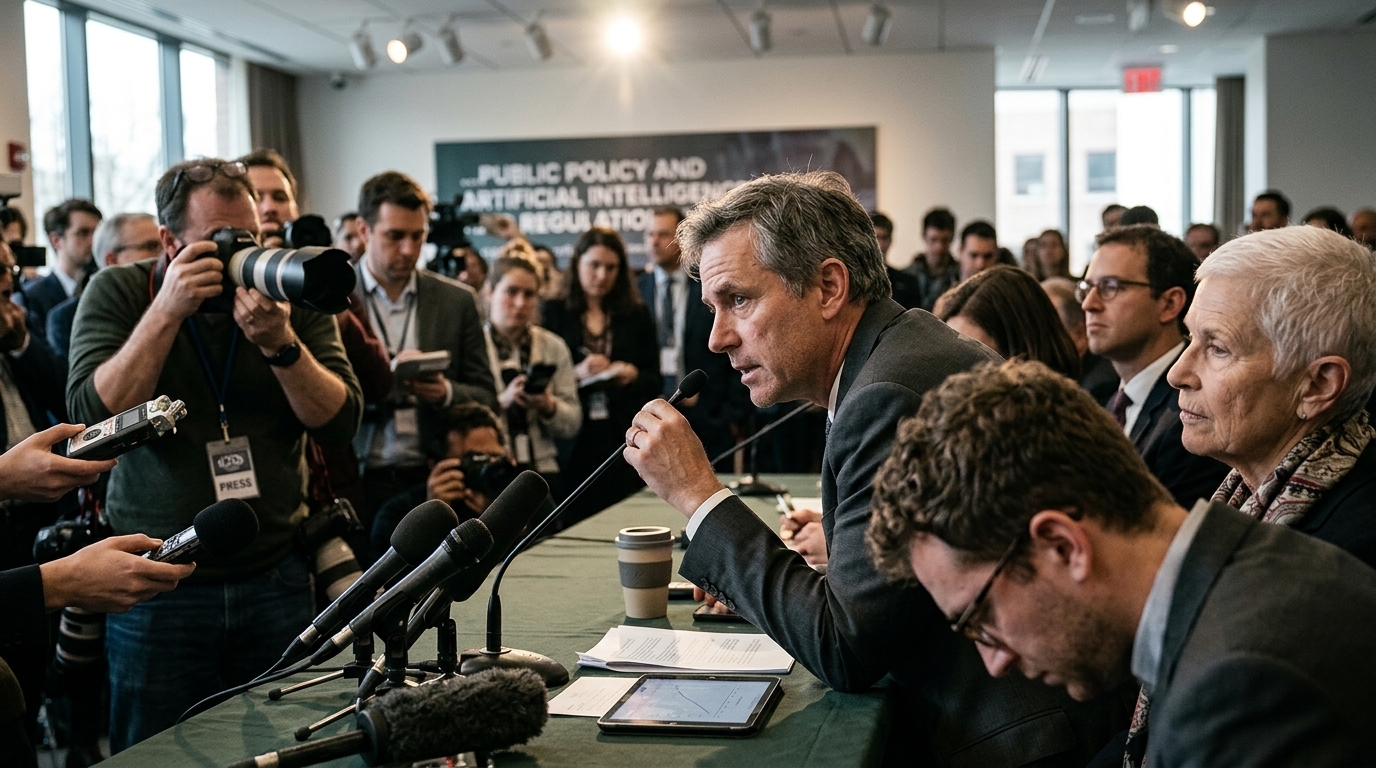
In the corridors of Washington D.C. and the tech hubs of Silicon Valley, the dialogue regarding the relationship between the state and Artificial Intelligence giants has reached a level of existential inquiry. The recent denial by both Anthropic and the White House concerning a potential government equity stake in the firm is not merely a routine corporate clarification; it marks a pivotal moment in the geopolitics of technology. Anthropic, the creator of Claude and a primary rival to OpenAI, finds itself at the center of a debate over whether frontier AI should be treated as a private product or a critical national infrastructure.
The Anatomy of a Denial and the Political Backdrop
Rumors circulating in recent weeks suggested that the U.S. government was considering taking direct equity positions in leading AI firms to ensure national security oversight. However, spokespeople for both Anthropic and the White House have clarified that no such discussions have taken place. This denial comes at a time when the Biden-Harris administration has already established rigorous frameworks through Executive Orders on AI safety, yet notably refrains from the "state capitalism" models seen in rival powers like China.
Anthropic, which has secured billions in funding from Amazon and Google, maintains a unique status as a Public Benefit Corporation (PBC). This means it is legally mandated to balance shareholder profits with social benefit and safety. The notion of a government stake would complicate this delicate governance structure, raising concerns about research independence and the potential weaponization of AI for state purposes. The denial serves to reassure private markets that the U.S. remains committed to a market-driven approach, even in the face of unprecedented technological risks.
AI as a Strategic National Asset
While direct ownership has been debunked, the state's influence over Anthropic and its peers remains profound. The U.S. government views Large Language Models (LLMs) as instruments of strategic power. Access to compute resources, the management of data centers, and the export of high-end technology to "adversarial" nations are areas where the White House exerts de facto control. Analysts argue that the government does not require shares to steer the industry; regulatory mandates, export controls, and defense contracts are equally potent levers of influence.
- National Security: Protecting algorithms from state-sponsored cyberattacks and preventing the misuse of AI in developing biological or chemical threats.
- Economic Competition: Maintaining American leadership against the Chinese model of state-directed AI development.
- Safety and Alignment: Ensuring that frontier models do not exhibit catastrophic behaviors that could destabilize social or economic systems.
The case of Anthropic is particularly emblematic because the firm was founded by former OpenAI executives with a primary focus on "AI Safety." This alignment makes them a natural partner for Washington. However, maintaining a clear boundary from the state is essential for preserving the trust of international clients and private investors who fear government overreach or surveillance.
The Future of State-Tech Relations
The debate over a government stake may be closed for now, but the question of "AI Sovereignty" remains wide open. As we move through 2026, we are likely to witness the emergence of new partnership models. These may not involve equity but could manifest as "National Compute Reserves" or state subsidies granted in exchange for exclusive access to advanced models for national defense purposes. Anthropic appears to be charting a course of cooperation through transparency and voluntary commitments, avoiding total integration into the state apparatus.
"Artificial Intelligence is too consequential to be left entirely to the market, yet too dangerous to be fully monopolized by a government," industry insiders suggest.
In conclusion, the denial of talks regarding a government stake in Anthropic underscores the U.S. desire to preserve private-sector dynamism while simultaneously weaving an "invisible" safety net around strategic technologies. This balance will be tested as geopolitical competition with China intensifies and the demand for secure, aligned AI becomes an urgent matter of national survival.