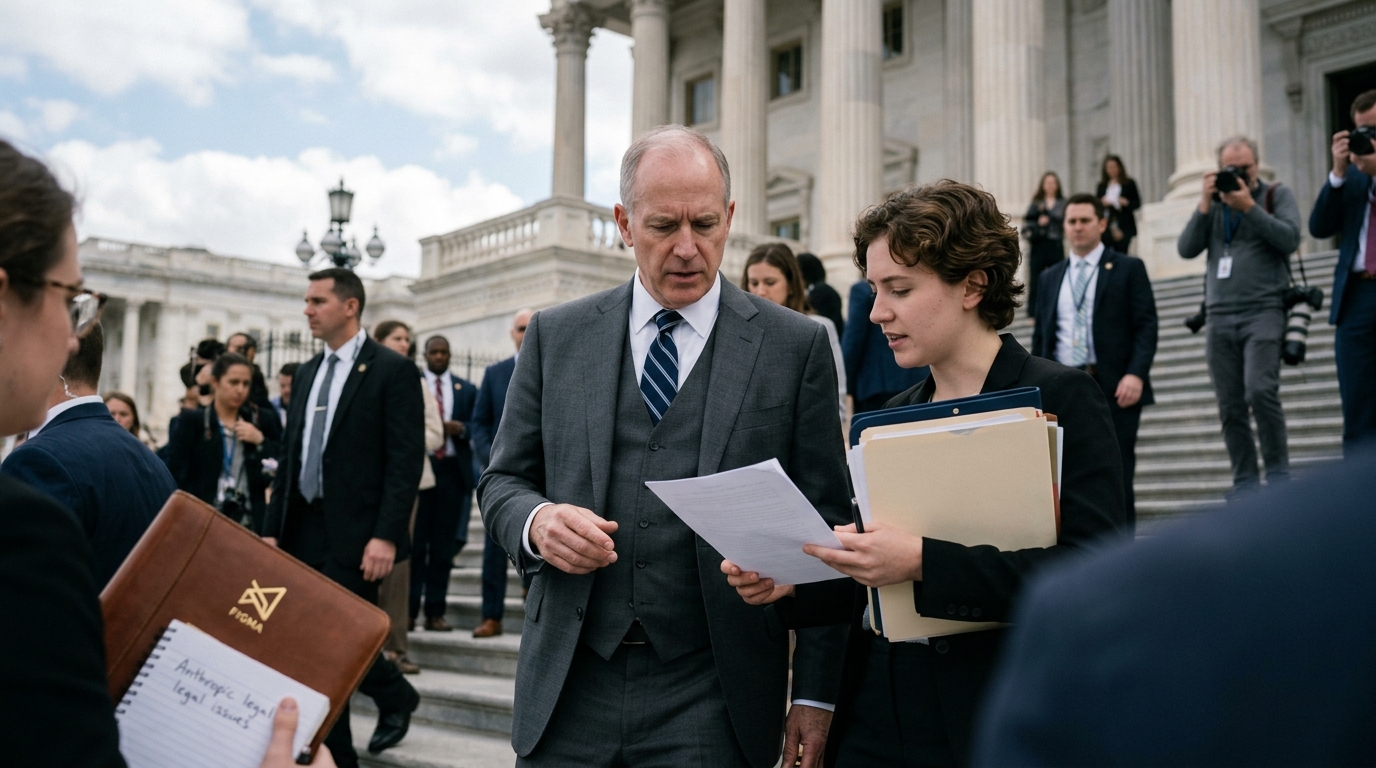
In the spring of 2026, the artificial intelligence sector finds itself at a critical crossroads where geopolitics and national security collide with corporate innovation. Anthropic PBC, the company once hailed as the "ethical" alternative to OpenAI, is now locked in an unprecedented legal battle with the United States government. At stake is not just the company’s access to federal contracts, but the very viability of its partners, with design powerhouse Figma caught in the crossfire.
The dispute centers on the decision by federal agencies to block Anthropic’s Claude models from their internal systems, citing "opaque alignment mechanisms" and potential security risks stemming from Anthropic’s "Constitutional AI" architecture. For companies like Figma, which have deeply integrated Anthropic’s capabilities into their toolsets, this development represents a systemic risk that threatens to upend their financial projections for the fiscal year.
The Risk of "Software Supply Chain Contagion"
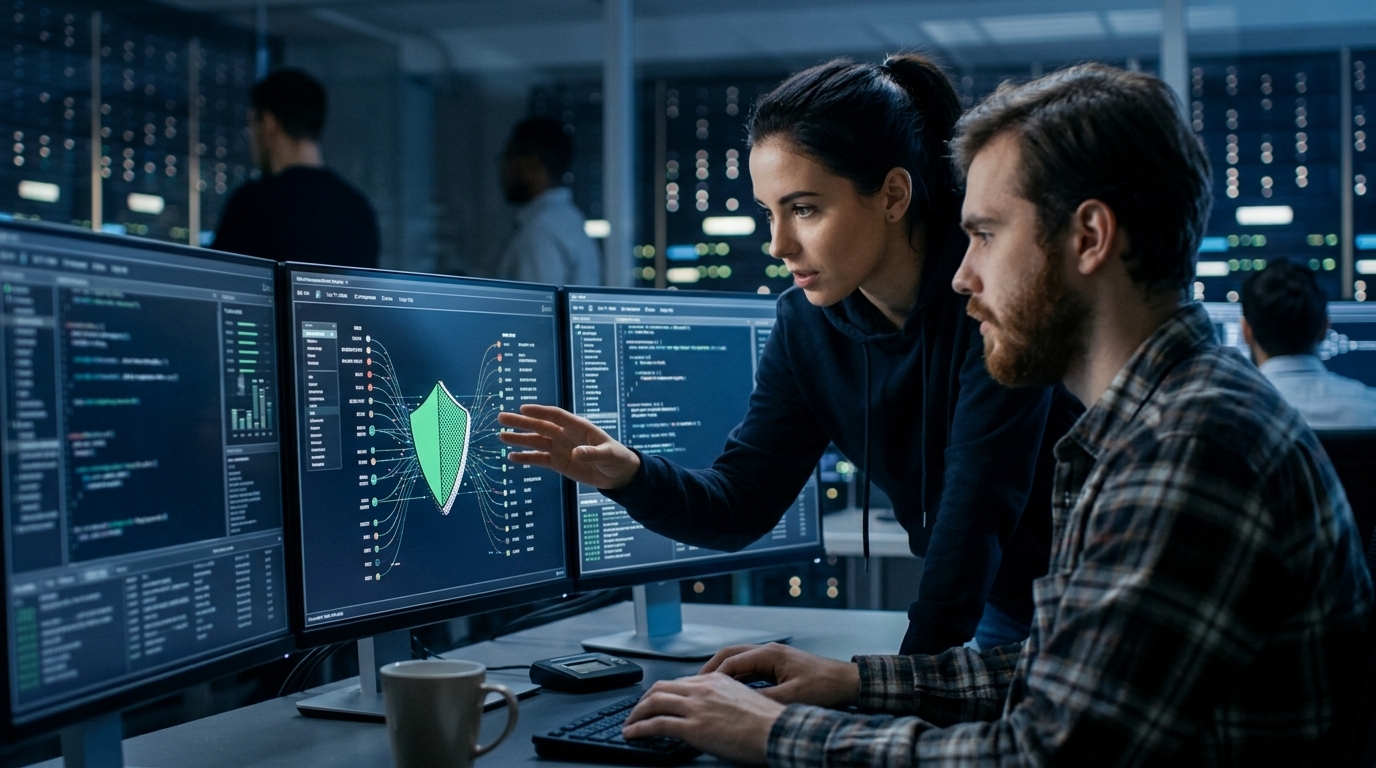
The predicament facing Figma is emblematic of a new reality in the AI economy: the dependency on "rented brains." When a Software-as-a-Service (SaaS) platform bases its AI features on a third-party model, it automatically inherits that model's regulatory and compliance profile. If Anthropic is deemed "unfit" for federal use, any Figma product containing code or features powered by Claude becomes toxic to the Department of Defense, the Department of Energy, and dozens of other agencies.
Market analysts note that Figma has invested millions in integrating Claude to automate user interface (UI) generation and enhance collaborative workflows. The possibility that the company might be forced to "rip and replace" these features or offer bifurcated versions for government clients introduces massive operational overhead. Furthermore, this uncertainty weighs heavily on investor confidence as Figma prepares for a highly anticipated initial public offering (IPO) later in 2026.
A Clash of Ideology and State Security
Anthropic argues in its lawsuit that the US government is applying arbitrary criteria, effectively punishing the company for its attempts to build safer models. "Constitutional AI"—the method where a model is trained to follow a set of ethical principles without direct human intervention—appears to be the primary point of contention for intelligence agencies. Authorities worry that these internal rules could be bypassed or used to mask biases that are not transparent to state oversight.
- Anthropic is seeking damages for lost revenue from canceled federal contracts.
- Figma is reportedly exploring the diversification of its AI stack, integrating models from Google and OpenAI as a hedge.
- Other industry leaders, including Notion and Salesforce, are monitoring the case as a critical legal precedent.
The situation is further complicated by Anthropic’s status as a Public Benefit Corporation (PBC), which legally mandates it to balance profit with social responsibility. This structure, once seen as a competitive advantage, is now viewed with skepticism by Washington, which prefers traditional corporate structures that are easier to align with national directives.
The Future of AI Sovereignty
Should Anthropic lose this legal fight, the message to Silicon Valley will be unmistakable: innovation in AI safety must be filtered through the lens of national security first. For Figma and other software providers, the era of choosing the "best model" is ending, replaced by the era of the "legally safest model." This shift could lead to a fragmentation of the market, where companies are forced to maintain multiple AI ecosystems to satisfy different jurisdictions, dramatically increasing the cost of global technological infrastructure.
"This is no longer about who has the smartest model, but about who has the license to operate within the walls of the state," said a senior policy advisor in Washington.
In conclusion, the crisis between Anthropic and the US government represents the first major fracture in the global AI market. Figma is merely the first high-profile victim of a broader realignment, where geopolitical power is reasserting control over the digital anarchy of the past decade.