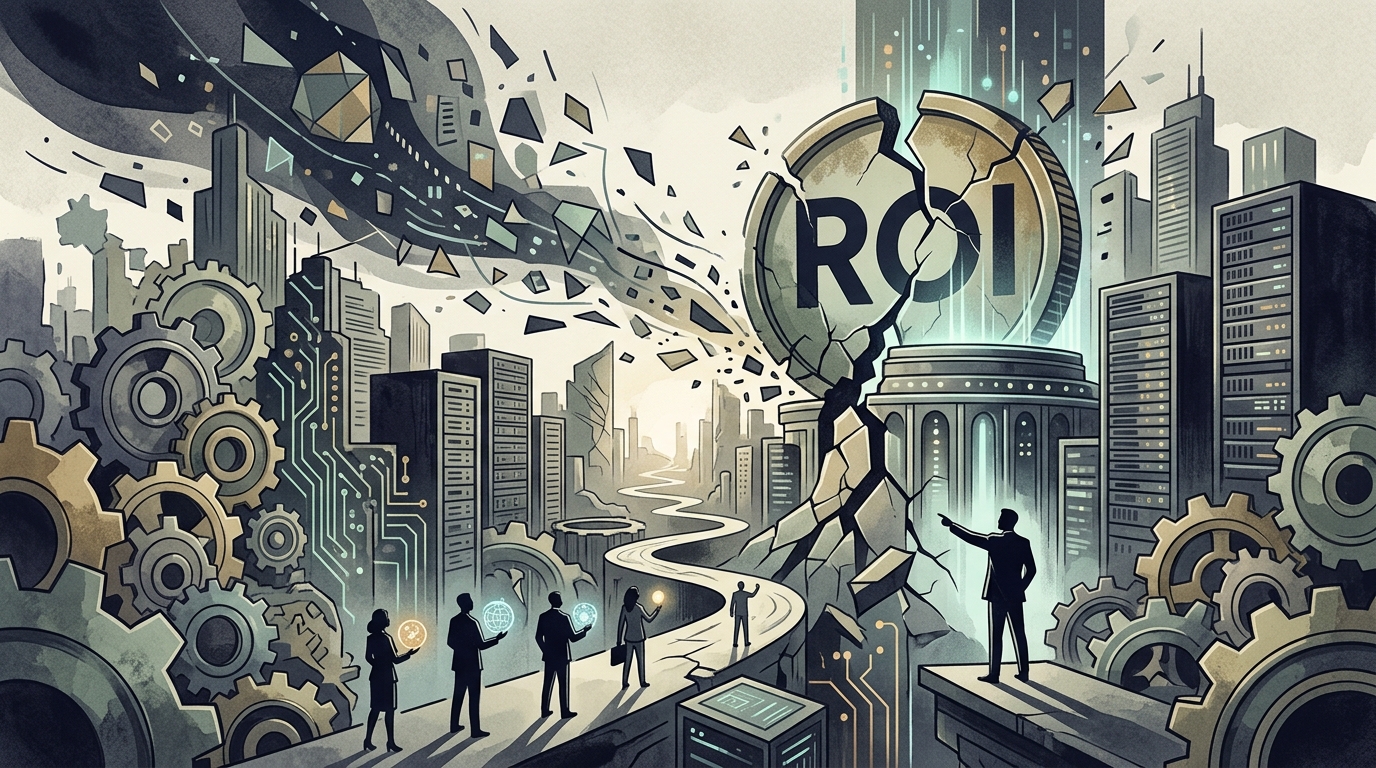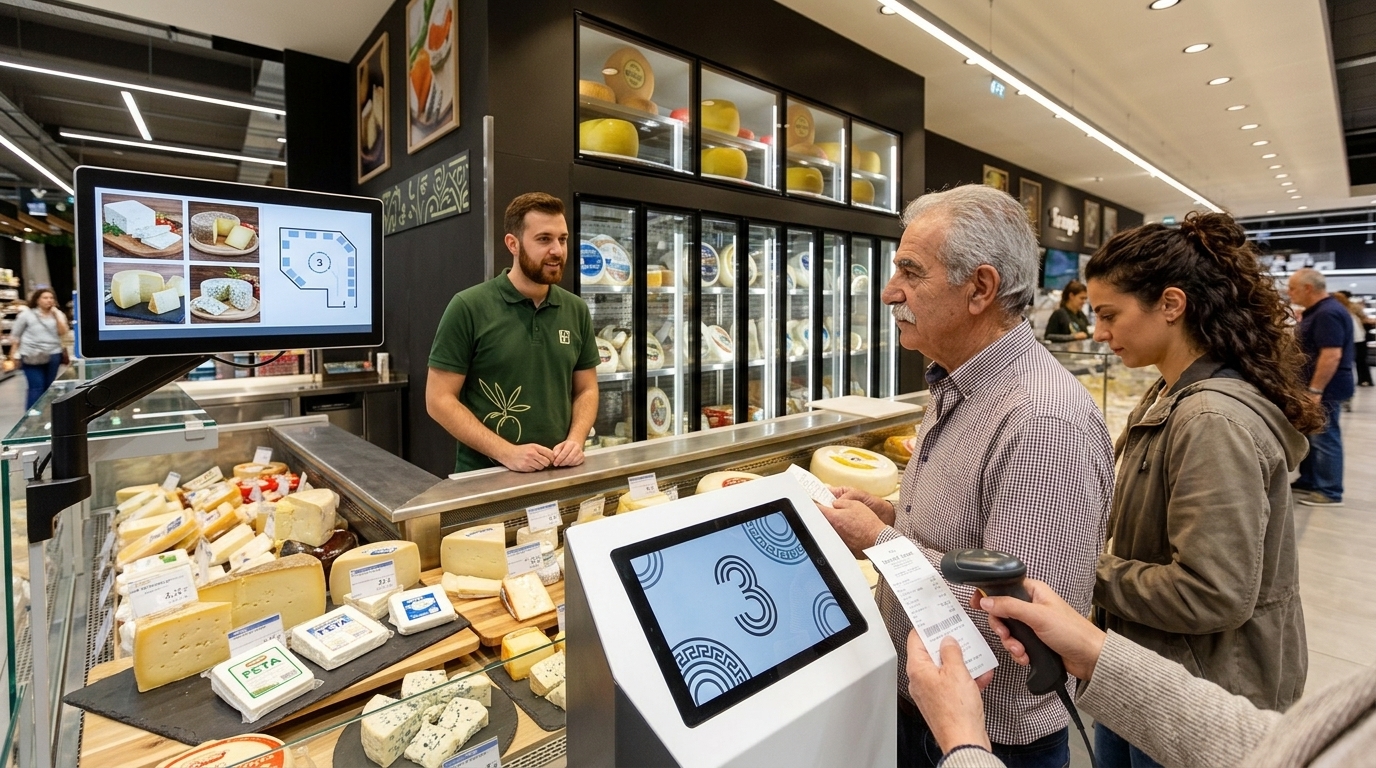
In an era where traditional food retail faces unprecedented challenges—from the energy crisis to shifting consumer habits—AB Vassilopoulos has chosen a bold path forward. Investing in technology is no longer a secondary option but the central pillar of its strategy for the coming years, as competition in the Greek market intensifies and profit margins are squeezed.
The Era of Personalization through Big Data
The heart of AB Vassilopoulos’ new strategy lies in its loyalty program, AB Plus. With millions of active users, the company possesses a massive volume of data, which is now being analyzed through advanced Artificial Intelligence (AI) algorithms. The goal is simple yet ambitious: hyper-personalization. Instead of generic offers aimed at the general public, the system can now recommend specific products to specific consumers based on their previous purchase history and preferences.
This approach not only increases customer loyalty but also improves the effectiveness of promotional activities. As market analysts point out, the 2026 consumer is not just looking for low prices but for an experience that saves them time and offers value where they truly need it. The AB digital application is thus evolving into a personal shopping assistant that provides real-time alerts on stock, suggests recipes, and offers digital coupons tailored to the user.
Supply Chain Automation and 'Dark Stores'
Behind the store shelves, the technological revolution is equally intense. AB Vassilopoulos is systematically investing in the automation of its distribution centers. The use of robotic systems for sorting and packaging products drastically reduces errors and speeds up delivery times, which is critical for the growth of e-commerce. So-called "Dark Stores"—warehouses operating exclusively to serve online orders—are at the center of this development, ensuring that the "last mile" of delivery is as efficient as possible.
Furthermore, the introduction of Electronic Shelf Labels (ESLs) across an increasing number of stores allows for dynamic price management and a reduction in staff workload. With the push of a button, prices are updated across the entire network, ensuring that the price on the shelf always matches the price at the checkout, eliminating one of the most common consumer grievances.
Winning the Sustainability Battle through Tech
An often-overlooked area of technological investment is sustainability. AB Vassilopoulos uses AI systems for demand forecasting, leading to a significant reduction in food waste. When the system accurately knows how many fresh products will be consumed in a specific store, orders become more targeted, reducing the surplus that ends up in waste bins.
At the same time, the installation of smart energy management systems in stores helps reduce the company's carbon footprint. From refrigeration to lighting, everything is controlled by sensors that optimize consumption according to conditions, contributing to both environmental protection and the reduction of operational costs during a period of high energy prices.
Conclusion: The Stake for the Future
AB Vassilopoulos' strategy demonstrates that the future of retail in Greece will be determined not just by the number of new stores, but by the quality of digital infrastructure. In an industry with traditionally low profit margins, technology offers the potential for operational excellence and a deeper connection with the customer. The big question remains whether these investments will manage to shift the balance of power in a market where the "price war" remains the dominant reality for the vast majority of households.