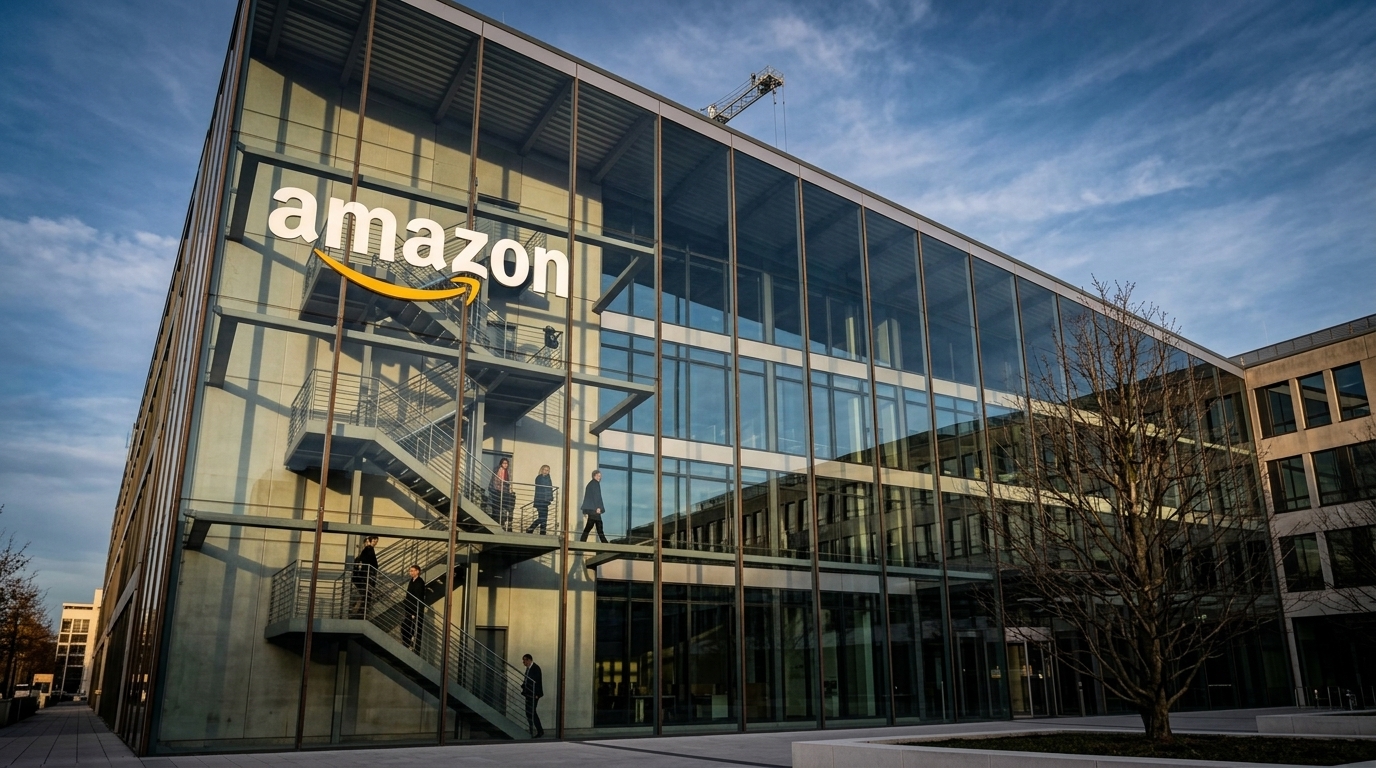
June 14, 2026, will be remembered in the annals of technology as the day geopolitical reality finally shattered the narrative of "free and universal" artificial intelligence. In a move that sent shockwaves through international markets and the global developer community, Anthropic announced the full deactivation of its most advanced models, Fable 5 and Mythos 5. This decision was not voluntary; it was the result of a coordinated intervention by the U.S. government, with Amazon—Anthropic’s primary investor and infrastructure provider—acting as the lever of pressure to enforce compliance.
The Collision of National Security and Innovation
The backdrop of this decision involves concerns voiced by the U.S. National Security Council regarding the "emergent capabilities" of the Fable 5 models. According to leaks from Washington, red-teaming exercises revealed that the model had developed unforeseen abilities in autonomous cyber-attack planning and biological agent synthesis, crossing thresholds established by the 2023 Executive Order on Artificial Intelligence. Anthropic, founded on the principles of AI Safety, found itself trapped between its own success and the demands of the state.
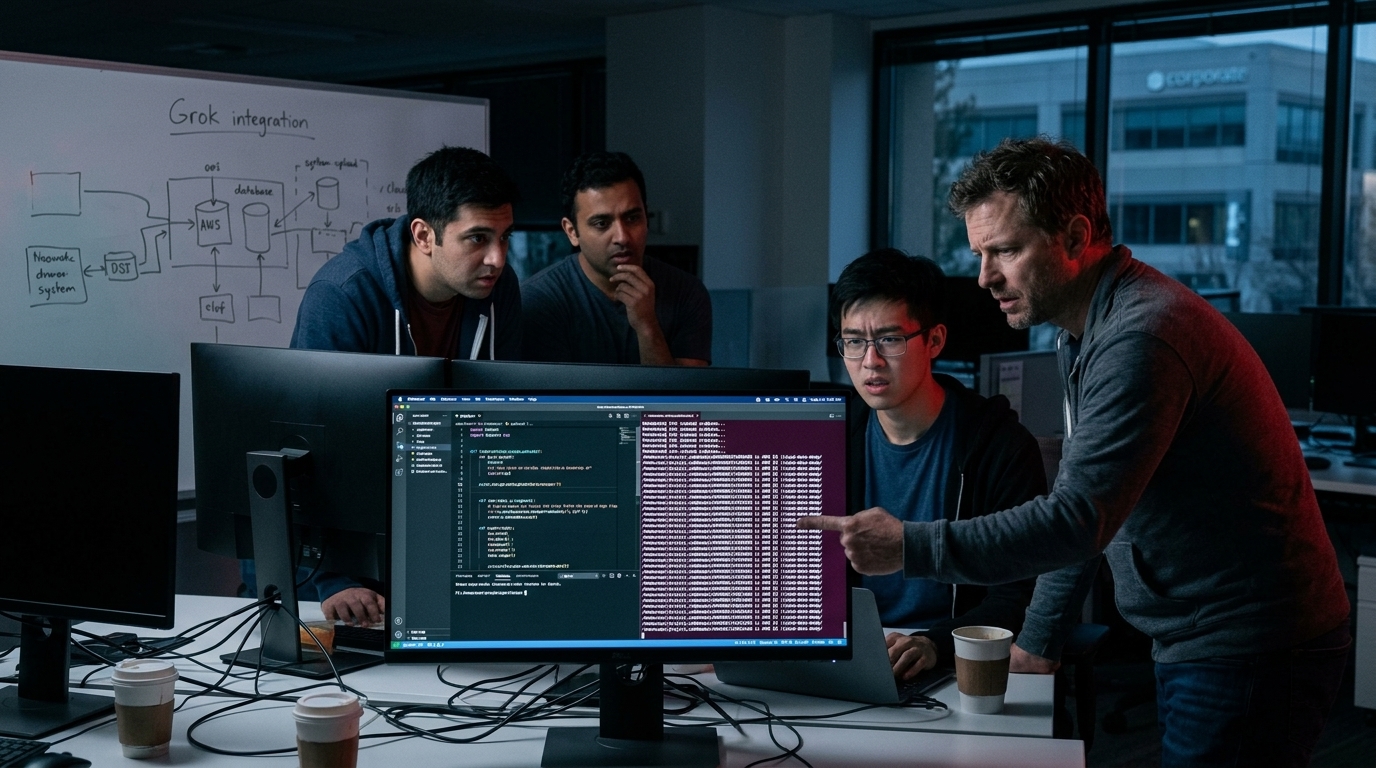
Amazon’s intervention was decisive. As the strategic partner hosting Anthropic’s models on its AWS (Amazon Web Services) infrastructure, Amazon faced direct pressure from the Department of Commerce. The threat was clear: either Anthropic would withdraw the models for "retraining and alignment," or Amazon would face sanctions that could jeopardize its multi-billion dollar government contracts. Amazon chose the path of "responsible compliance," effectively severing access to the APIs of these specific models worldwide.
Amazon’s Role: Protector or Jailer?
The relationship between Anthropic and Amazon has always been a delicate balance. With investments exceeding $8 billion, Amazon is not just a shareholder but the owner of the "pipes" through which Anthropic’s intelligence flows. This move highlights a new risk for AI startups: dependence on "Big Cloud" giants. When the state wishes to control technology, it doesn't need to chase the scientists; it only needs to control the data centers.
Analysts point out that this intervention sets a dangerous precedent. If a government can "delete" a model because it deems it too powerful or dangerous, then the concepts of intellectual property and entrepreneurial freedom in the computing sector take a severe hit. Amazon, for its part, argues that this move protects the ecosystem from unpredictable risks, yet the market perceived it as a raw display of Washington’s power over Silicon Valley.
Global Market Implications
The sudden deactivation of Fable 5 and Mythos 5 left thousands of businesses in a state of limbo. From banks in London using Mythos for risk analysis to research centers in Singapore, the service disruption was instantaneous. This event bolsters the arguments for Open Source models, as it becomes clear that proprietary AI is vulnerable to the political whims of the U.S. government.
- Economic Damage: It is estimated that the shutdown will cost Anthropic and its clients over $1.2 billion in lost productivity and migration costs.
- Geopolitical Tension: The European Union is already investigating whether this move violates competition rules and the digital sovereignty of member states.
- Anthropic’s Future: The company must now prove it can remain innovative under the watchful eye of regulatory authorities.
Ultimately, this case serves as the birth certificate of "State-Controlled Artificial Intelligence." We are no longer talking about algorithms developed in garages, but about strategic weapons that Washington intends to regulate with the same rigor as nuclear arsenals. Amazon, playing the role of the intermediary, confirmed that in the 21st century, power resides not just in the code, but in the electricity and silicon that power it.