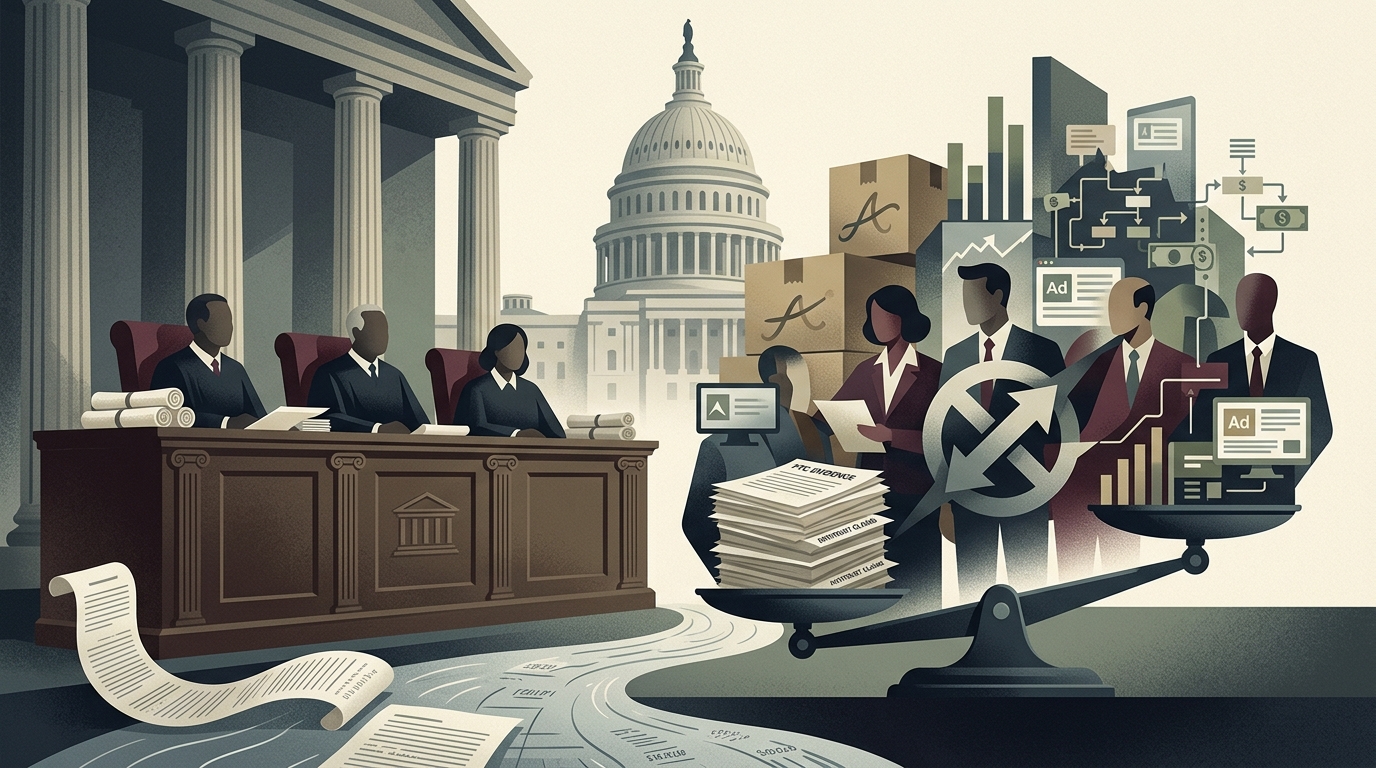
In a move that threatens to shake the foundations of the tech giant's profitability, the US Federal Trade Commission (FTC) is reportedly on the verge of filing an explosive lawsuit against Amazon.com Inc. According to sources familiar with the matter, the allegations focus on how the company manages its rapidly growing advertising business, which has become its primary engine of profit in recent years. The lawsuit could lead to civil penalties totaling billions of dollars, marking a new escalation in the regulatory war against Big Tech.
The Dark Side of 'Pay-to-Play'
The core of the FTC's allegations lies in the claim that Amazon misled advertisers—primarily third-party sellers on its platform—regarding the effectiveness and costs of its advertising services. Commission investigators are examining whether Amazon effectively forced sellers to purchase ad space to maintain visibility in search results, transforming the platform from a merit-based marketplace into a 'pay-to-play' system.
According to the FTC's analysis, Amazon allegedly used opaque algorithms that favored its own private-label products or those of sellers who spent the most on ads, downgrading organic results that would have been more relevant to the consumer. This practice, if proven, not only misleads business partners but also harms the user experience, as customers are steered toward choices dictated by advertising budgets rather than quality or price.
The Billion-Dollar Stakes
For Amazon, advertising is no longer a side business. With annual revenues exceeding $50 billion from this sector, the company has emerged as the third-largest player in global digital advertising, trailing only Google and Meta. The crucial factor is that profit margins in advertising are significantly higher than those in traditional retail. A guilty verdict or a costly settlement would not only represent a massive financial blow but could also force structural changes in how the platform operates.
- Potential penalties exceeding 5% of annual ad revenue.
- Mandatory transparency in product ranking algorithms.
- Strict decoupling of logistics services from advertising packages.
Analysts point out that the FTC, under the leadership of Lina Khan—who built her career challenging Amazon's power—is seeking to establish a legal precedent that limits the ability of gatekeeper platforms to exploit their data to impose 'taxes' on their users.
Political and Economic Implications
The timing of the lawsuit, in mid-2026, is not accidental. With the US political climate remaining polarized, antitrust enforcement is one of the few areas where there is bipartisan consensus on the need to rein in tech giants. Amazon, for its part, argues that its advertisements help consumers discover new products and provide small sellers with tools that were previously available only to major brands.
"Amazon has transformed from a company that serves the customer to a company that extracts value from its partners," says a former FTC consultant. "If advertising becomes a prerequisite for a merchant's survival, then we are not talking about a free market, but about digital feudalism."
The outcome of this legal battle will define the future of e-commerce for the next decade. If the FTC succeeds, Amazon may be forced to radically change its business model, allowing more space for organic search and reducing its reliance on the advertising dollars of its sellers. In any case, the road to the courtroom is expected to be long and fraught with challenges for Andy Jassy's leadership.