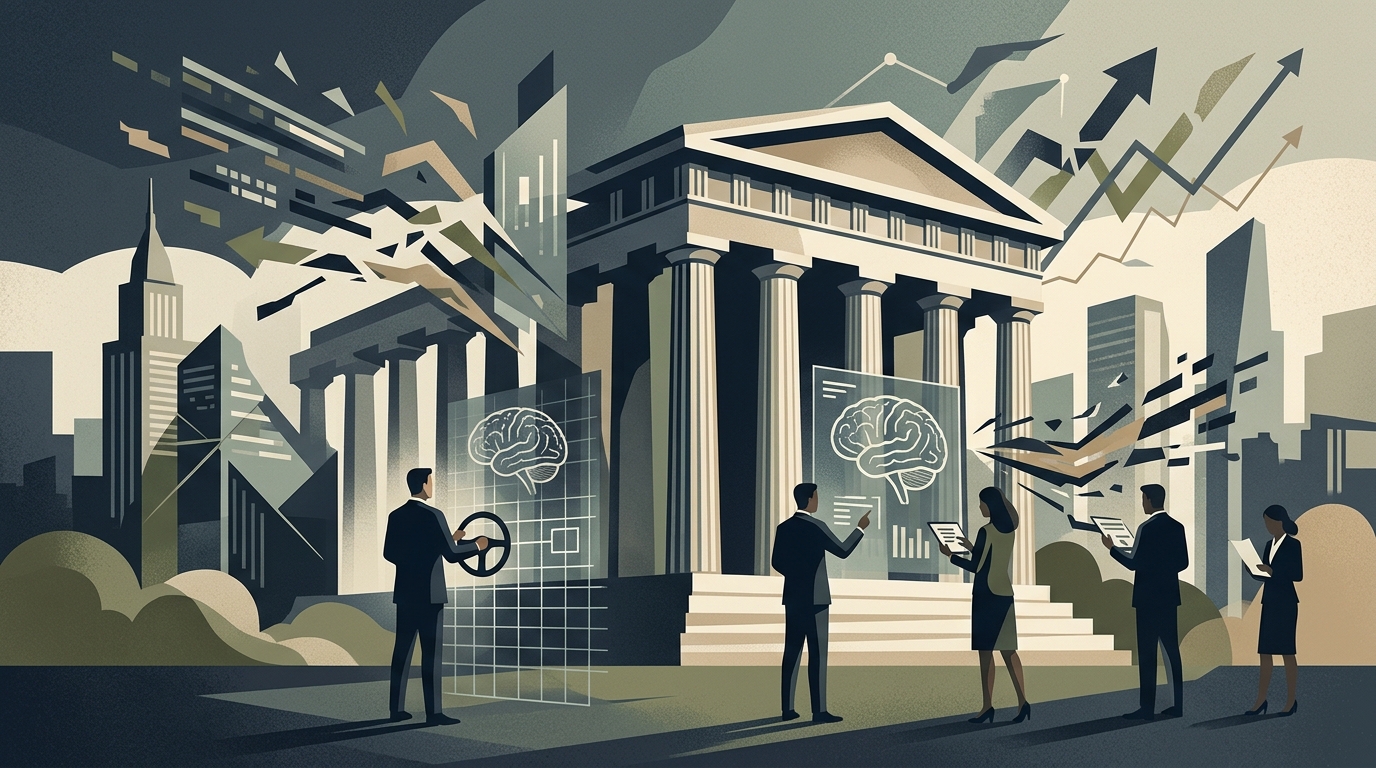
The integration of Artificial Intelligence (AI) into the legal sphere is no longer a speculative future but a present reality reshaping the foundations of justice. Joshua Rozenberg, one of Britain's most esteemed legal commentators, poses a critical question: How do we balance the immense potential for efficiency gains against the existential risks to the rule of law?
The Promise of Efficiency and Access to Justice
For decades, legal systems worldwide have been plagued by bureaucratic inertia and prohibitive costs. AI promises to be the 'great equalizer.' Through automated document analysis, research that once took junior associates weeks can now be completed in seconds. This is not merely about cost-cutting for elite law firms; it is about democratizing legal advice for citizens who previously could not afford to step into a courtroom.
In jurisdictions facing chronic judicial backlogs, the adoption of AI tools for case categorization and drafting preliminary judgments could be transformative. However, the 'reward' of speed must not come at the expense of judicial quality. While the ability of Large Language Models (LLMs) to summarize vast case files is impressive, it remains a statistical exercise rather than a conscious understanding of legal principles.
The Hazard of Hallucinations and Ethical Liability
The most significant hurdle in the professional use of AI is the phenomenon of 'hallucinations.' We have already witnessed high-profile cases, particularly in the US, where lawyers submitted briefs containing entirely fabricated citations generated by AI models. Rozenberg emphasizes that ultimate responsibility must remain with the human practitioner. An algorithm cannot be held in contempt of court, nor can its license be revoked.
- The erosion of human oversight can lead to systemic judicial errors.
- Algorithms often perpetuate biases present in their training datasets.
- Intellectual property rights regarding legal texts become blurred when machines are the authors.
Furthermore, the 'black box' problem poses a direct threat to transparency. If a judge utilizes an AI tool to assist in a ruling, how can a litigant scrutinize the logic behind that assistance? Transparency is the cornerstone of justice, and AI, by its very architecture, is often opaque.
Regulatory Landscapes and the Future of Law
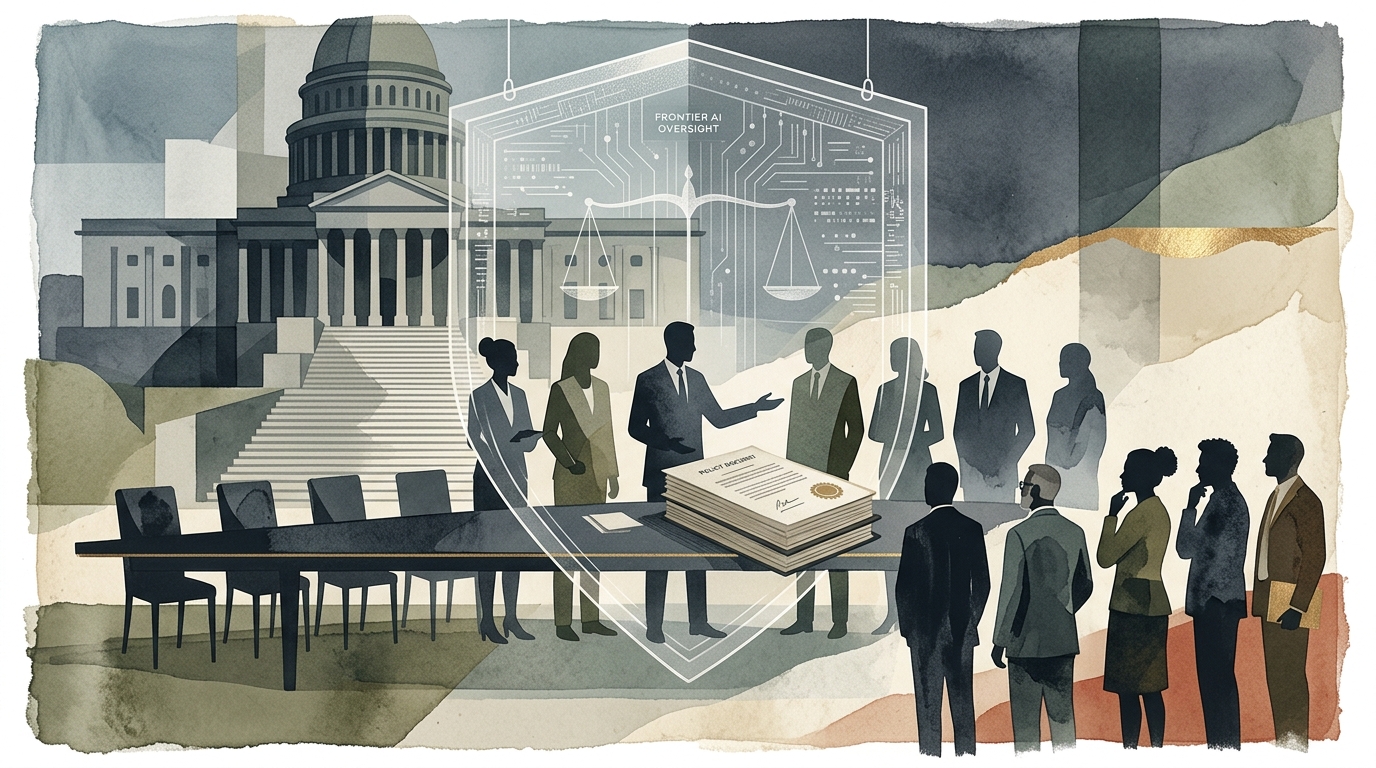
The European Union, through the AI Act, is attempting to impose stringent rules, classifying AI systems used in the judiciary as 'high-risk.' Conversely, the UK and the US appear to favor a more flexible, 'pro-innovation' approach. Rozenberg warns that while excessive regulation might stifle progress, a total lack of oversight could lead to a 'Wild West' of digital litigation.
"Law is a human invention to solve human problems. If we remove the human from the equation, we risk losing the very essence of justice: empathy and moral judgment."
In conclusion, Artificial Intelligence is a potent tool that can re-humanize justice by stripping away its mechanical burdens, provided it is used as a crutch and not a replacement for the judicial mind. The challenge for the next generation of lawyers will be 'algorithmic literacy'—the ability to cross-examine the machine as rigorously as they would an opposing witness.