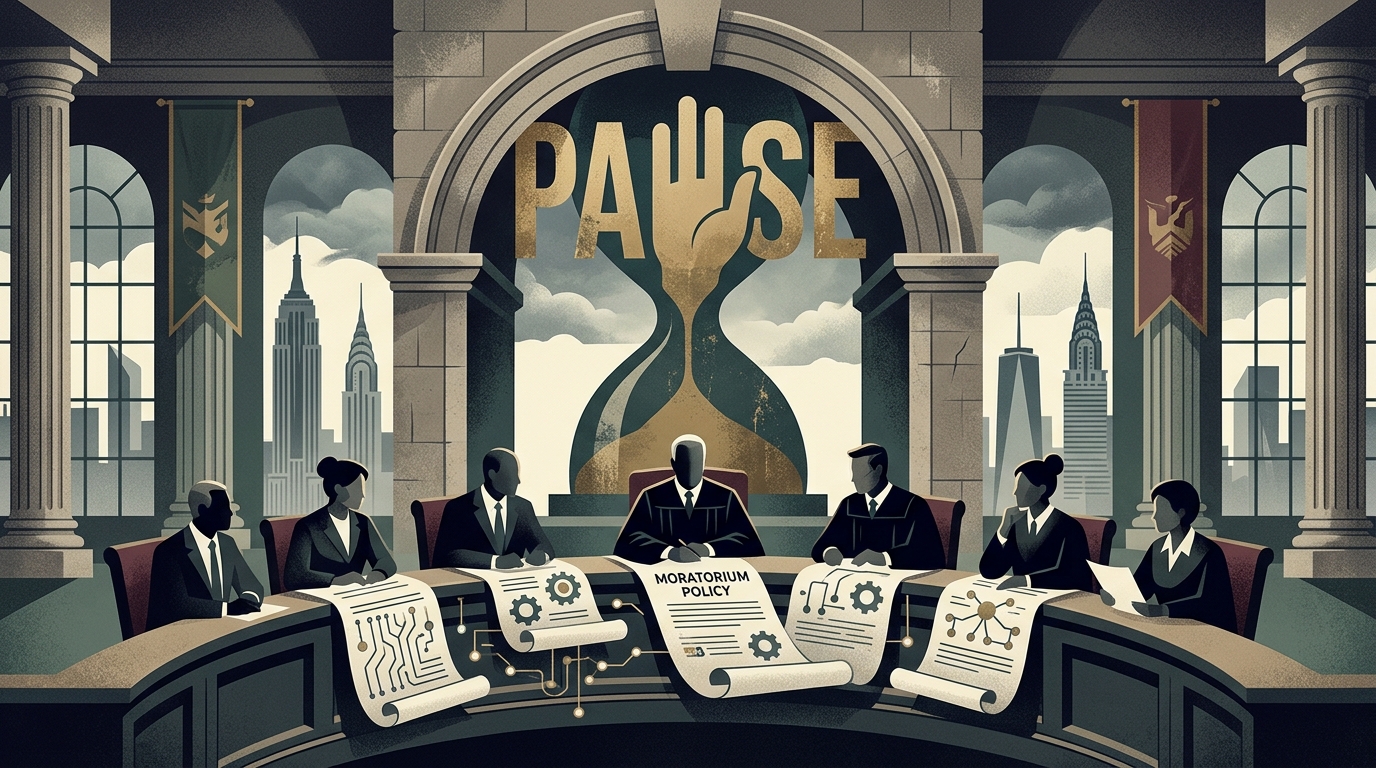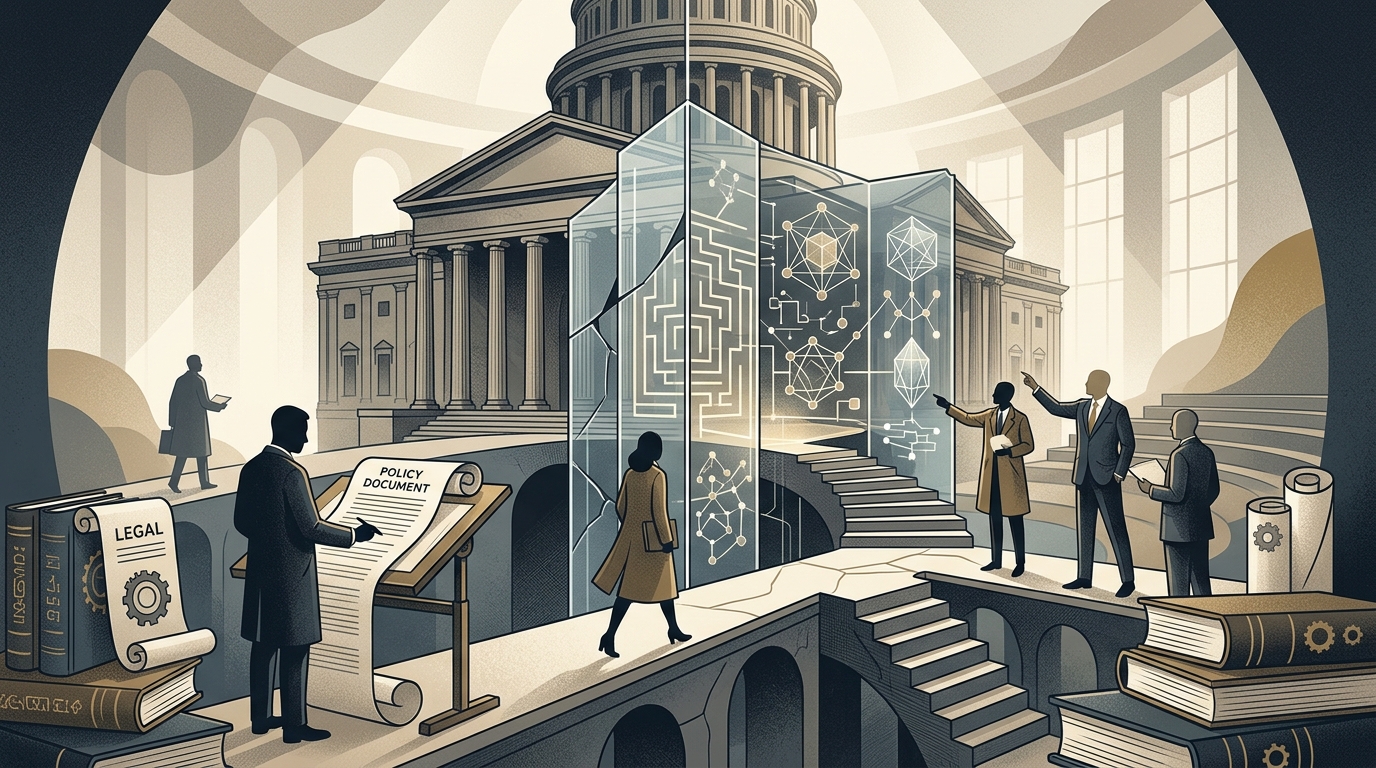
The insurance industry, a sector traditionally anchored in meticulous data analysis and historical actuarial tables, is currently undergoing a structural metamorphosis. Artificial Intelligence (AI) is no longer an experimental technology on the fringes of Insurtech; it has become the central engine driving pricing, risk assessment, and claims management. However, this rapid adoption is accompanied by a burgeoning concern: who bears the liability when an autonomous algorithm makes a critical error?
The Digital Revolution in Risk Assessment
Traditional actuarial science relied on static tables and broad demographic data. Today, Insurtech platforms utilize predictive models that process real-time data from IoT devices, automotive telematics, and even social media activity. This allows companies to offer hyper-personalized premiums that accurately reflect an individual's specific risk profile.
The efficiency gains are undeniable. Claims processing times have been slashed from weeks to minutes, as computer vision models analyze accident photos and estimate repair costs with precision that often surpasses human adjusters. Yet, this "black box" approach creates a transparency vacuum. When a customer is denied coverage or hit with a massive premium hike, the explanation "the algorithm decided it" is no longer legally or ethically sufficient.
The Liability Paradox: Accountability in the Age of Autonomy
The central question currently occupying legal circles and regulatory bodies is the allocation of civil liability. If an AI model incorporates unconscious biases—leading to systemic discrimination against specific social groups—who is responsible? Is it the insurance carrier that deployed the software, the developer who designed it, or the data provider that fed the model flawed information?
- Product Liability: Many argue that AI should be treated as a product, shifting the burden of proof to software manufacturers.
- Professional Negligence: Others contend that using AI is part of the insurer's professional judgment, meaning liability remains with the entity implementing it.
- Data Integrity and Bias: The quality of training data is the "holy grail" of liability, as biased data inevitably produces biased outcomes.
In the European Union, the implementation of the AI Act sets stringent rules for "high-risk" systems, which now include many insurance models. Companies are mandated to ensure the "explainability" of their decisions—a task that remains a formidable technical challenge.
Regulatory Headwinds and the Rise of AI Insurance
In an ironic twist, the very industry utilizing AI is now being called upon to insure the risks it creates. We have witnessed the emergence of a new category of insurance products: algorithmic liability insurance. These policies cover businesses against claims of discrimination, software errors, or intellectual property infringements arising from the use of artificial intelligence.
"We are at a tipping point where risk is no longer just about what happens in the physical world, but about what a single flawed line of code can do to the financial stability of millions," notes a prominent industry analyst.
Pressure from regulators in both the US and Europe is forcing Insurtech firms to invest in "Ethical AI." This includes regular audits of algorithms and maintaining a "human-in-the-loop" for the most critical decisions. However, the velocity of technological advancement will always outpace legislation, creating a persistent state of legal uncertainty.
Conclusion and Future Outlook
The dominance of AI in Insurtech is irreversible. The promise of lower costs and faster service is too compelling for the market to ignore. Nevertheless, the industry must address the liability issue with radical honesty. Building consumer trust requires more than just clever algorithms; it requires accountability and transparency. The future of insurance will be judged not by how "smart" its models are, but by how fair they prove to be in practice.