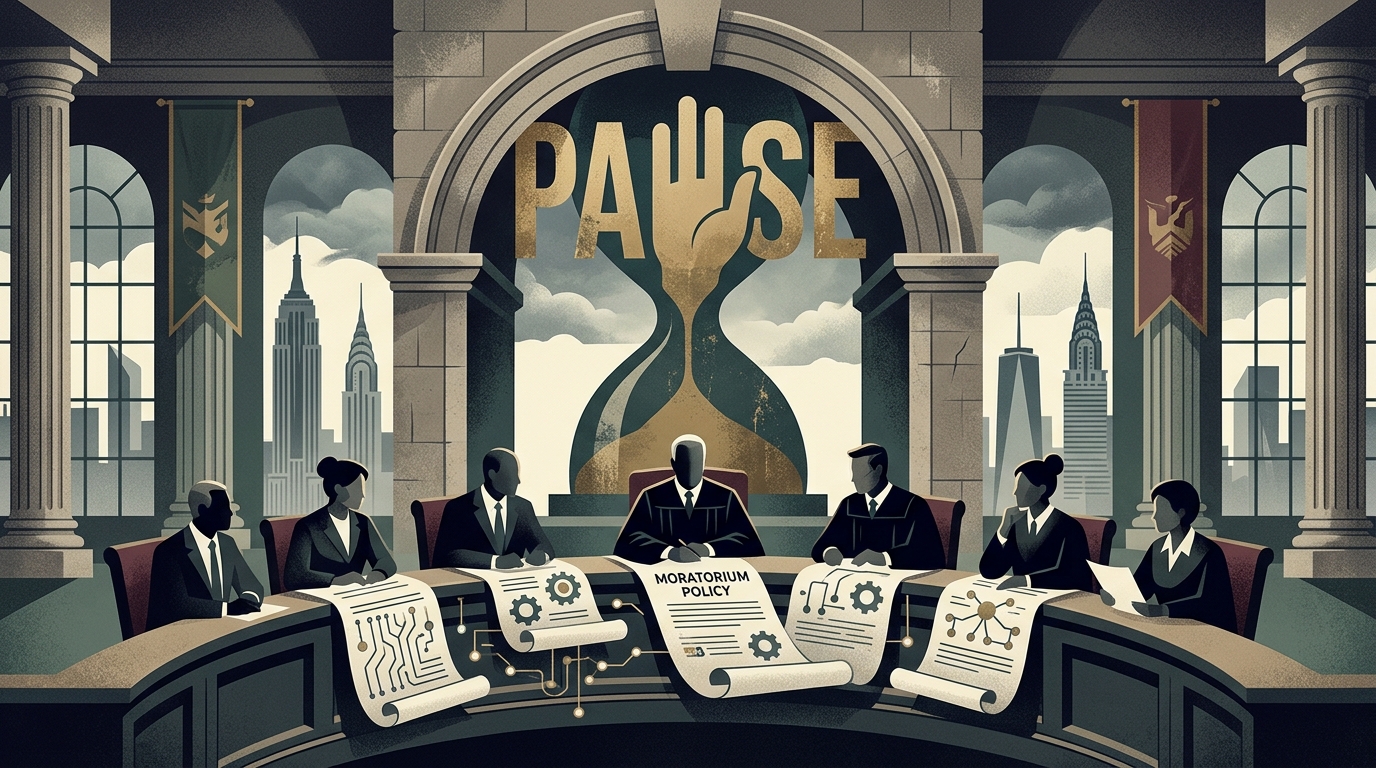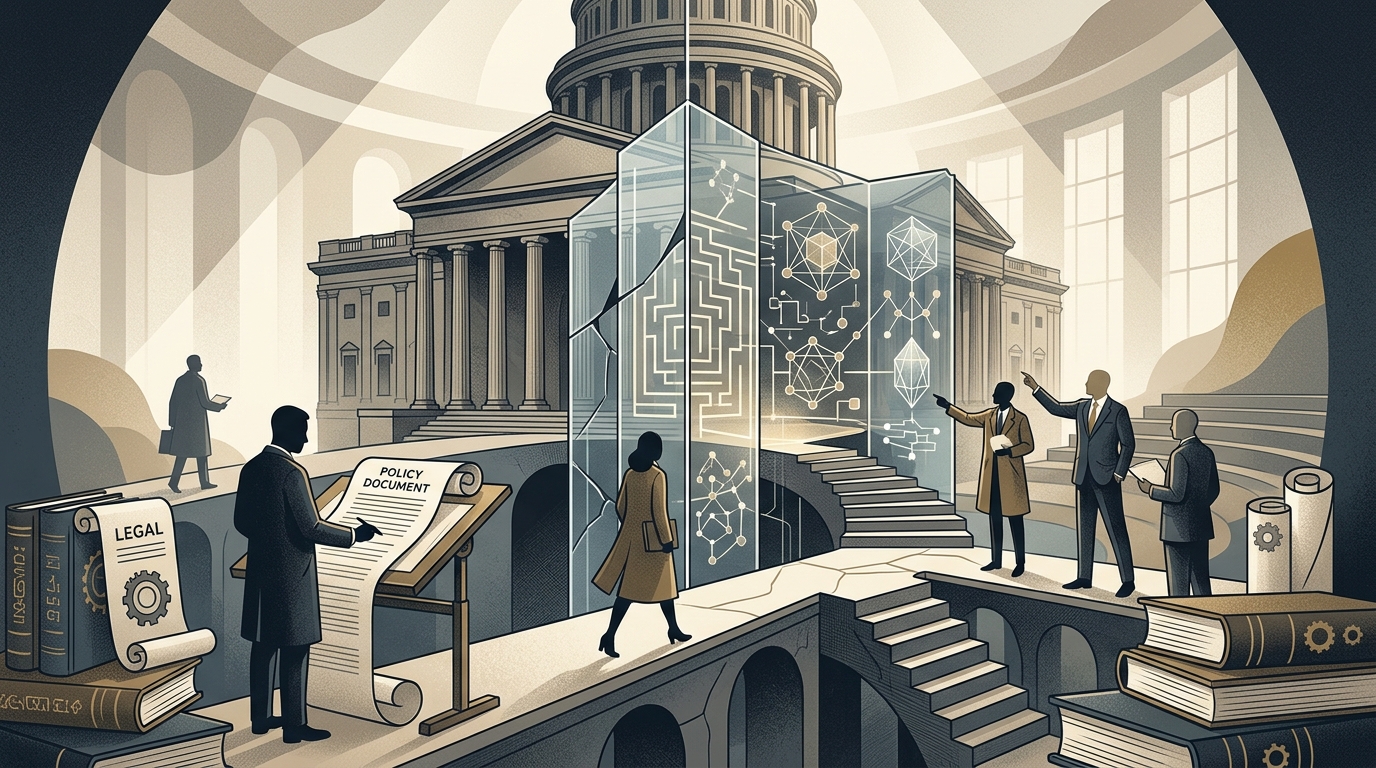
The transition to digital governance is often portrayed as a linear evolution of bureaucracy, a simple upgrade from paper to screen. However, the reality taking shape in government halls worldwide is far more radical. Artificial Intelligence (AI) has already permeated the core of the state, making decisions that affect the lives of millions of citizens, often without due transparency or public debate.
The Silent Integration: Beyond Chatbots
When we think of AI in government, we often picture automated citizen service systems. But the real action is happening behind the scenes. From detecting tax evasion and allocating social benefits to predictive policing and urban infrastructure management, algorithms have become the new "mandarins" of power. These systems do not merely suggest solutions; in many cases, their input becomes a de facto decision, as human officials find it impossible to audit the massive volume of data processed by the machine.
In the United States, risk assessment systems are already used to determine bail or sentencing, while in Europe, despite the strict framework of the AI Act, many public agencies are experimenting with tools that predict citizen behavior. The question is no longer whether AI will be used, but how to ensure its use does not undermine the fundamental principles of the rule of law.
The Accountability Gap and the 'Black Box'
One of the greatest challenges of algorithmic governance is the "black box" problem. When an administrative decision is made by a human, there is a trail of logic that can be legally challenged. But when a machine learning algorithm rejects an asylum application or a disability benefit based on patterns that even its developers cannot fully explain, the concept of justice is jeopardized.
"The shift from governance by laws to governance by data risks turning the citizen from a subject of rights into an object of analysis," policy analysts note.
The lack of transparency is exacerbated by the fact that many of these tools are developed by private corporations. "Trade secrets" are often used as a shield to avoid public scrutiny of algorithms, creating a dangerous state dependency on Big Tech. This privatization of public judgment represents one of the most invisible yet critical shifts in modern political history.
Geopolitical Competition and Digital Authoritarianism
The adoption of AI in governance does not happen in a vacuum but amidst intense global competition. China has already demonstrated how AI can be used to enhance state control through the social credit system. This model of "digital authoritarianism" offers an attractive, albeit terrifying, promise of absolute social order and efficiency.
On the other hand, Western democracies are struggling to balance innovation with individual liberties. The European Union, with its pioneering legislation, is trying to set "red lines," such as banning real-time biometric surveillance. However, the pressure for an "efficient state" and the need for cost reduction often lead to compromises. The risk is a gradual slide into a form of "soft authoritarianism," where citizens are nudged and monitored by algorithms supposedly designed to serve them.
Conclusion: The New Social Contract
The advent of government AI necessitates a new social contract. Technical excellence of systems is not enough; the restoration of the human factor as the final arbiter (human-in-the-loop) is required. Citizens must have the right to an explanation, the right to human intervention, and, above all, the right to know when and how they are interacting with a machine.
AI governance is already here. Whether it leads to a fairer, more efficient society or a world of algorithmic arbitrariness depends on the political choices we make today. Technology is the tool, but the ethical compass remains—for now—a human responsibility.