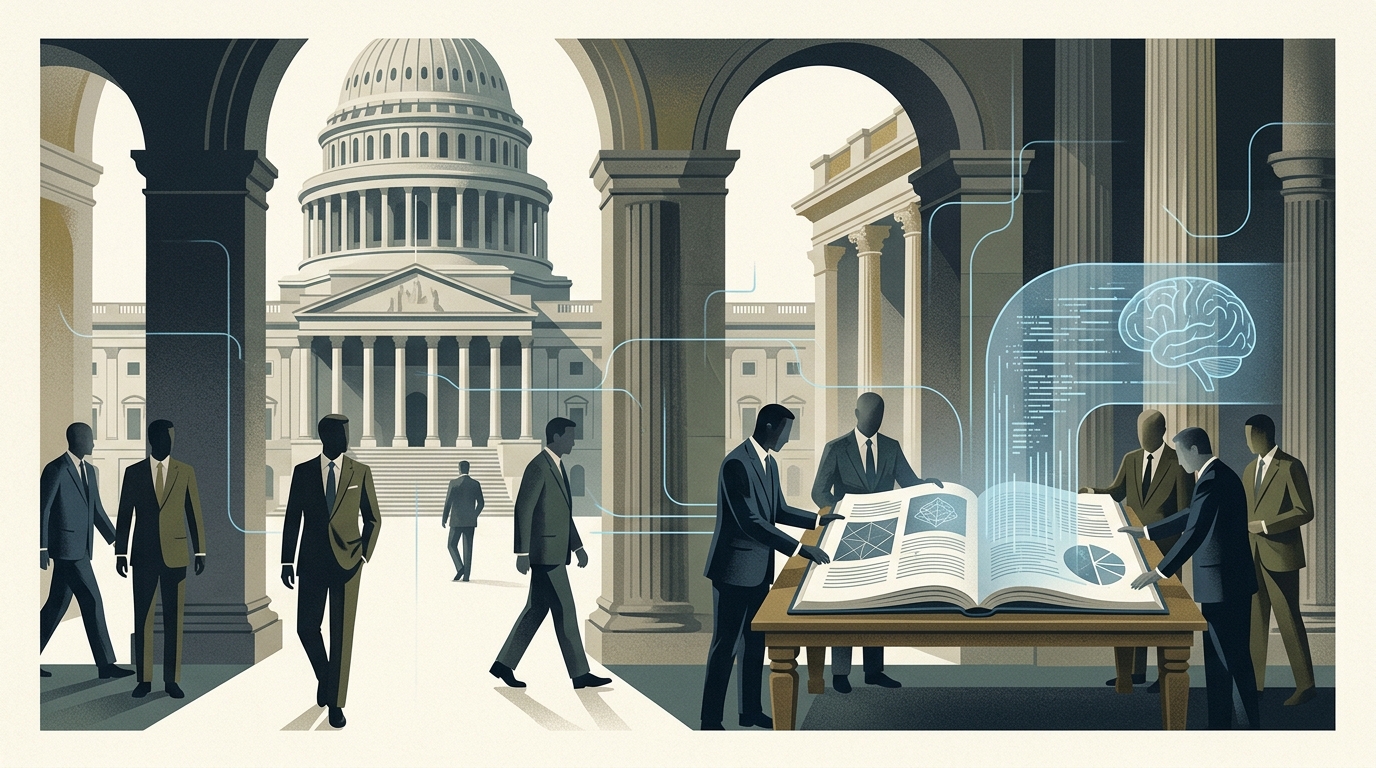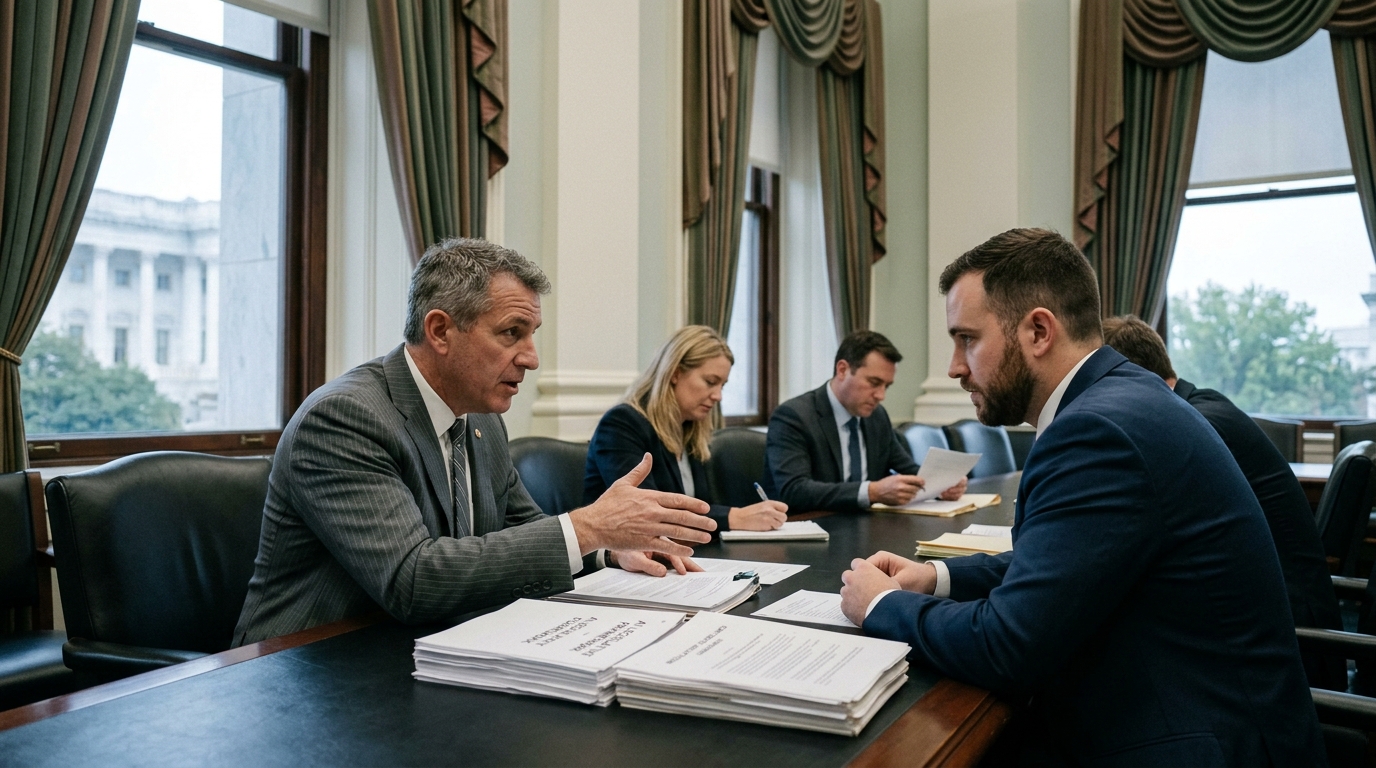
The era of innocence for Artificial Intelligence has officially ended. As we move through July 2026, the halls of Capitol Hill are no longer echoing with mere wonder over the capabilities of Large Language Models; instead, they are filled with the stern warnings of regulators and the intense negotiations of high-priced lobbyists. What analysts are calling the 'Washington treatment' is a new reality forcing tech giants to invest more in legal counsel than in software engineering.
The Lobbying Surge and Political Maneuvering
According to recent disclosures, lobbying expenditures by firms such as OpenAI, Anthropic, and Microsoft have surged by over 400% compared to the previous fiscal year. This is not just a defensive play to avoid regulation; it is a calculated strategy to shape it. Companies are striving to set the rules of the game, often using the banner of 'AI Safety' as a narrative to build moats that keep smaller, more agile competitors at bay. Washington, for its part, has realized that AI is not just a productivity tool, but a core component of national power.
- Political influence spending has reached the highest levels in the industry's history.
- CEOs are now regular fixtures in Congressional committee hearings, moving from 'evangelists' to 'defendants.'
- Startups that previously lacked a legal department have established permanent government affairs offices in D.C.
This dynamic mirrors the antitrust battles of the 1990s with Microsoft or the privacy scandals of the last decade with Facebook. However, the velocity is different. Technology is evolving faster than the legislative capacity to comprehend it, creating a vacuum that corporations are eager to fill with their own policy frameworks.
Antitrust Scrutiny and the Fear of Ecosystem Capture
The Federal Trade Commission (FTC) and the Department of Justice (DOJ) have launched sweeping investigations into the investment structures between cloud providers and AI model developers. The concern is clear: the concentration of power in a few hands could stifle innovation. If access to the necessary compute power is controlled by a handful of entities, the AI market risks becoming an exclusive club with no room for disruptive newcomers.
"We cannot allow Artificial Intelligence to become the private fiefdom of a few billionaires. Democracy requires transparency and a level playing field," a senior FTC official recently noted.
Regulators are also zeroing in on copyright. The ingestion of massive datasets without compensating creators is the next major legal frontier. While AI companies argue 'fair use,' Washington appears to be shifting toward the side of rights holders, signaling potential legislation that could impose billions in licensing costs on the industry.
National Security and the China Factor
Perhaps the most decisive factor in the 'Washington treatment' is geopolitics. AI is now viewed as the 21st century's equivalent of the nuclear race. Lawmakers are caught in a paradox: they want to mitigate the existential risks of the technology, but they fear that over-regulation will cede the lead to China. This 'Beijing anxiety' is the most powerful card AI companies play during their closed-door sessions with policymakers.
The debate over open-source AI sits at the heart of this dilemma. While open-source promotes transparency and democratic access, some in Washington argue that releasing powerful weights to the public allows adversarial states to weaponize them for cyberattacks or biological warfare. The resolution of this conflict will determine whether AI remains an open frontier of human knowledge or becomes a controlled, state-monitored strategic industry.