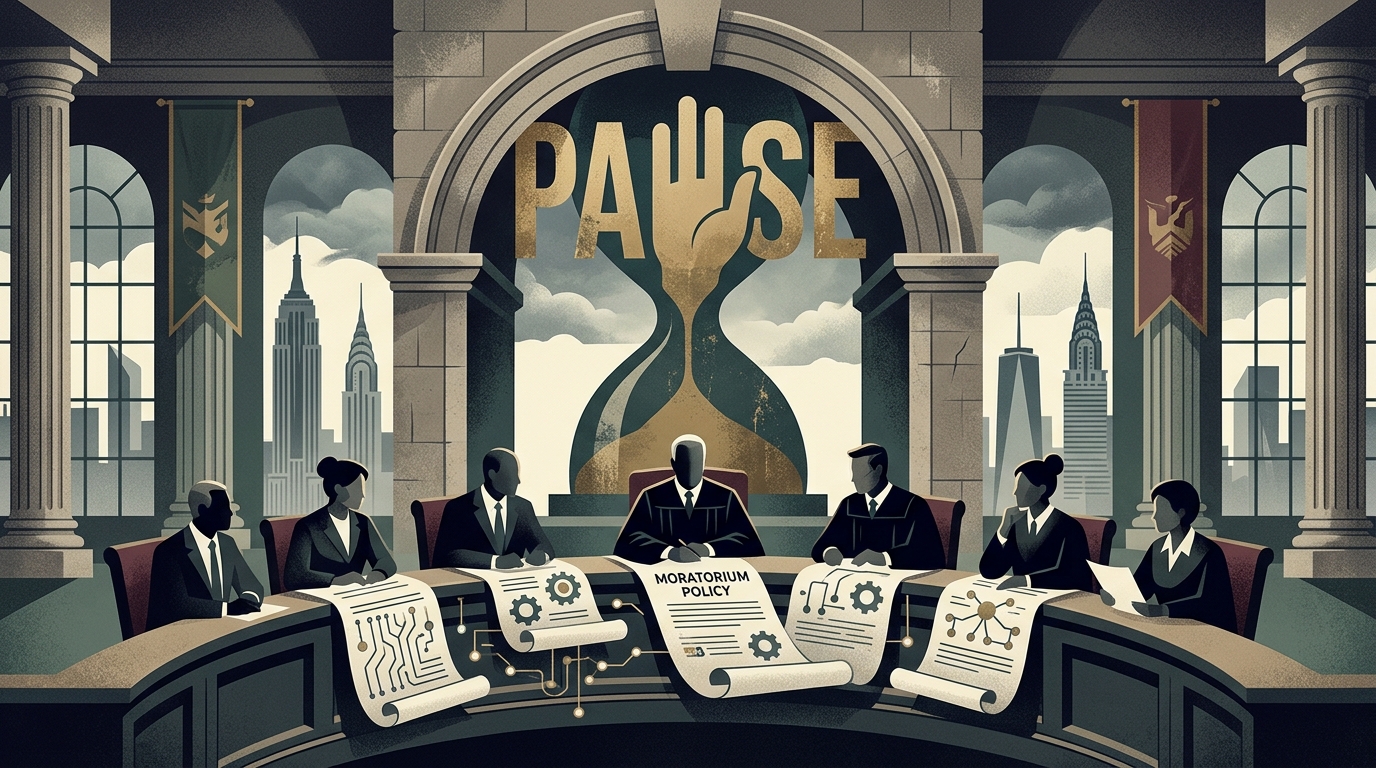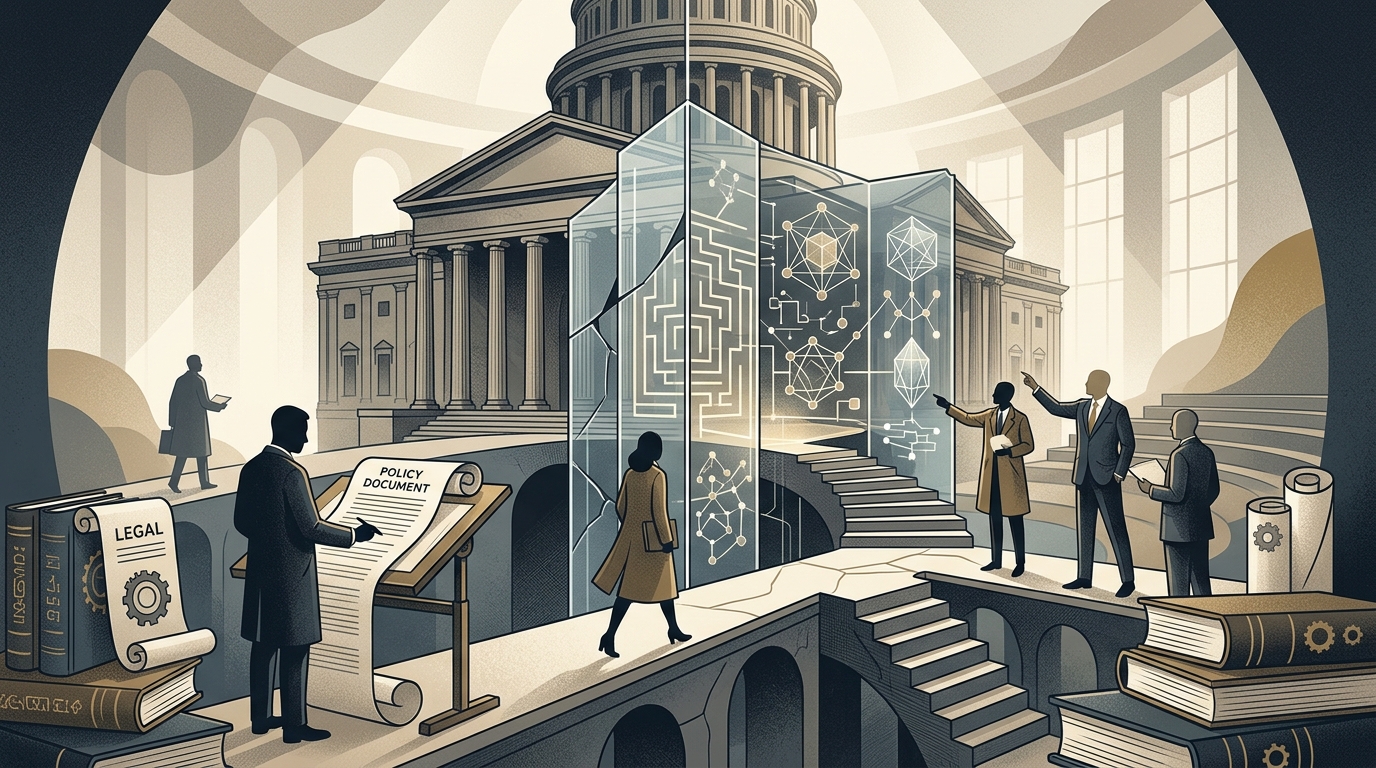
We are now in the final stretch. As the calendar reads June 2026, the business community and content creators in Europe are turning their gaze toward the upcoming August. This is not just another date on the calendar, but the ground zero for the full implementation of the EU AI Act—the world’s first comprehensive legislation attempting to harness algorithmic power. After a two-year transition period, the rules are becoming strict, inspections are intensifying, and fines are no longer theoretical.
High-Risk Systems Under the Microscope
The most significant change arriving this August concerns AI systems classified as "high-risk." These include algorithms used in education, employment (e.g., CV screening software), banking services, and law enforcement. Starting in August, companies developing or deploying such tools must prove they have robust risk management systems in place.
A simple declaration of conformity is no longer enough. Businesses are required to maintain detailed technical documentation, ensure human oversight (human-in-the-loop), and guarantee high levels of cybersecurity. For small and medium-sized enterprises (SMEs), this represents a massive challenge, as the cost of legal and technical preparation is disproportionately high compared to the tech giants of Silicon Valley.
Transparency and Content Creators
For content creators and social media platforms, August brings an end to the "gray zone" regarding deepfakes and AI-generated content. The legislation now mandates the compulsory labeling of any content (image, audio, video) that has been created or significantly modified by AI. The logic is straightforward: citizens have the right to know whether what they are consuming is a product of human creativity or algorithmic synthesis.
- Mandatory watermarking for all AI-generated videos.
- Stricter rules for chatbots, which must explicitly state their non-human identity.
- Protection of artists' intellectual property during the training of Large Language Models (LLMs).
Creators using AI tools for their work will need to be particularly careful with licensing. Platforms, on the other hand, will bear the responsibility of removing content that violates these transparency rules, facing the threat of fines that can reach up to 7% of their global annual turnover.
The Challenge: Innovation vs. Regulation
The big question looming over Brussels and Athens is whether this strict regulation will stifle European innovation. While the US and China follow more laissez-faire (or state-controlled) models, Europe is choosing the path of "human-centric" AI.
"The protection of fundamental rights is not an obstacle to progress, but the foundation for a sustainable digital economy,"European Commission sources state. However, many analysts fear that European startups will find themselves at a disadvantage due to the immense bureaucratic burden.
In Greece, the tech ecosystem is scrambling to adapt. The establishment of the AI Authority is expected to play a crucial role in guiding businesses, providing "regulatory sandboxes" where companies can test their products in a controlled environment before mass release.
Conclusion: A New Era of Digital Responsibility
August 2026 is not the end of the road, but the beginning of a new era. Artificial Intelligence is ceasing to be the "Wild West" of technology and is becoming a regulated industry, much like pharmaceuticals or aviation. For companies, compliance is no longer an option but a prerequisite for survival. For creators, it is an opportunity to redefine the value of human inspiration in a world saturated with algorithms. Europe is betting on trust; it remains to be seen if the market will follow suit.