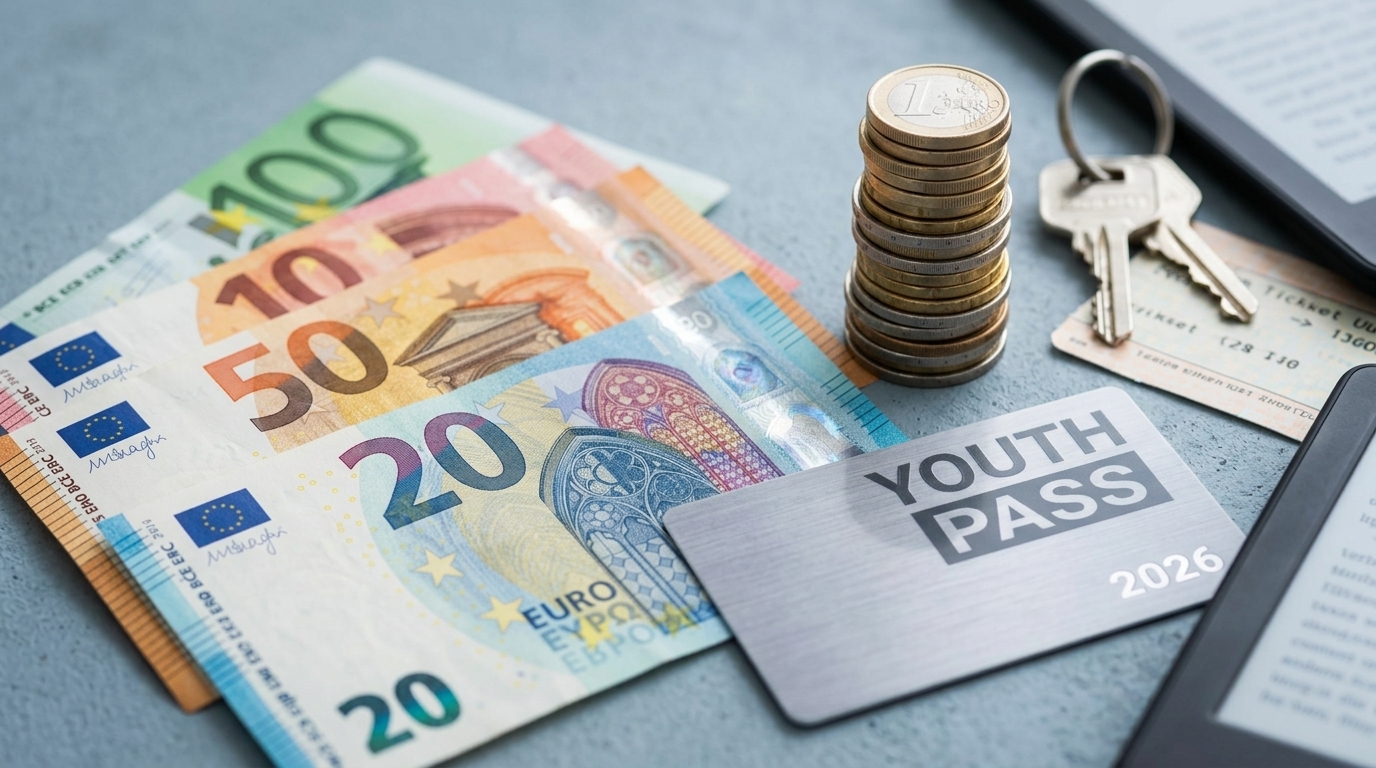
In the heart of spring 2026, the Greek state's digital portal, vouchers.gov.gr, is once again becoming the focal point for the younger generation. The Youth Pass, an institution that began as an emergency measure and evolved into a permanent social policy tool, is offering €150 to thousands of young people who reached their 18th or 19th year of age. Beyond the numbers and the applications closing on May 15, this measure serves as an interesting case study of how technology intersects with financial support in a country striving to heal the wounds of a long economic adventure.
The Architecture of Support: Who and How
The Youth Pass is not a simple subsidy. It is a digital debit card that remains active for two years from its issuance. Eligible applicants are those who turned 18 or 19 in the previous year, are tax residents of Greece, and possess Taxisnet credentials. The process is fully automated, reflecting the progress of digital transformation in Greece. Young people submit their applications, and after data verification, the amount is credited to a digital card stored on their smartphones.
The measure's targeting is twofold: on one hand, it seeks to provide a breath of freedom to young people entering adulthood, and on the other, to funnel liquidity into specific sectors of the economy. The sectors 'unlocked' by the Youth Pass include tourism (hotels, camping), transport (airline and ferry tickets, trains, buses), and culture (cinemas, theaters, concerts, museums, bookstores). It is, essentially, a subsidized 'first experience' of independence.
Economic Impact: Stimulus or Crumbs?
For critics, €150 seems like a meager amount in the face of the cost of living and the inflation plaguing Europe in 2026. However, for culture and tourism businesses, the total injection of liquidity is by no means negligible. With tens of thousands of beneficiaries, the state funnels millions of euros directly into the market, bypassing bureaucracy and ensuring that the money is spent where the law mandates. This 'closed-loop' spending model ensures that the aid is neither saved nor consumed for basic necessities but acts as an investment in leisure and education.
- Stimulating domestic tourism during off-peak periods.
- Supporting local bookstores and small theatrical stages.
- Familiarizing youth with digital transactions and Gov.gr.
- Creating a culture of consuming cultural products.
Analysts point out that the Youth Pass also serves as an informal 'crash test' for the digital euro and future forms of programmable money. The fact that the state can restrict the use of funds to specific Merchant Category Codes (MCC) shows the way for more targeted social interventions in the future.
The Social Dimension and the Future
Beyond economics, the Youth Pass carries a strong symbolic weight. In an era where 'Gen Z' and the upcoming 'Gen Alpha' face challenges such as the climate crisis and job insecurity due to Artificial Intelligence, such initiatives attempt to build a relationship of trust between the state and the citizen. But is €150 enough to win the trust of a generation that sees rents skyrocketing?
"The Youth Pass is not the solution to the housing or employment problems of the youth, but it is an acknowledgment of the right to entertainment and personal development," says an official from the Ministry of Digital Governance.
In conclusion, Youth Pass 2026 remains a popular yet debatable tool. While it offers immediate gratification and support to specific sectors, the real challenge for the Greek government remains creating an environment where young people do not need a 'pass' to enjoy culture and travel, but possess the economic autonomy to do so on their own. Until then, the vouchers.gov.gr platform will remain the busiest digital corner for the country's 18-year-olds.