Greece enters the 2026 wildfire season with an unprecedented mobilization of resources, personnel, and technological tools. In a recent meeting at the Maximos Mansion, Prime Minister Kyriakos Mitsotakis presented an operational plan aimed at minimizing the impacts of the climate crisis, which has turned the Mediterranean basin into a "powder keg" ready to ignite during the summer months. This year's wager is not just about suppression, but early prevention through digital surveillance.
The Human Factor and the 'Initial Attack' Strategy
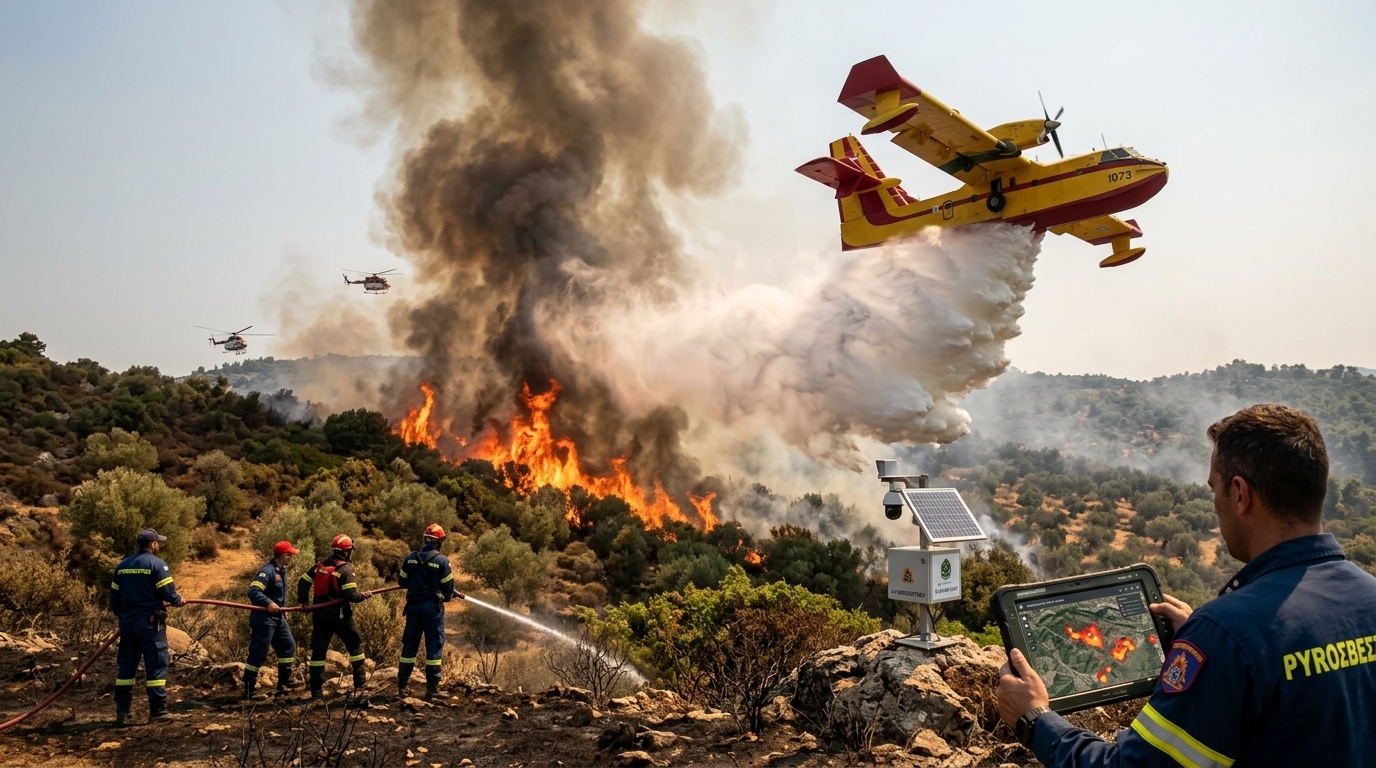
The backbone of this year's effort consists of 18,804 firefighters, a figure reflecting the gradual strengthening of the Fire Service over recent years. Particular emphasis is placed on the Special Forestry Operations Units (EMODE), the so-called "forest commandos," who are trained to operate deep within forests where traditional vehicles cannot reach. The 2026 philosophy focuses on the "initial attack": tackling the fire within the first ten minutes of its outbreak.
"The battle with flames is won not just with water, but with time. Every second we gain from technology translates into acres of forest saved," Civil Protection sources noted.
In addition to permanent staff, the role of 2,500 seasonal firefighters and thousands of volunteers who have joined the official register is significant. Training this year included joint exercises with the armed forces and police, ensuring that the chain of command remains unbroken under conditions of extreme pressure.
The Aerial Armada and Digital Surveillance
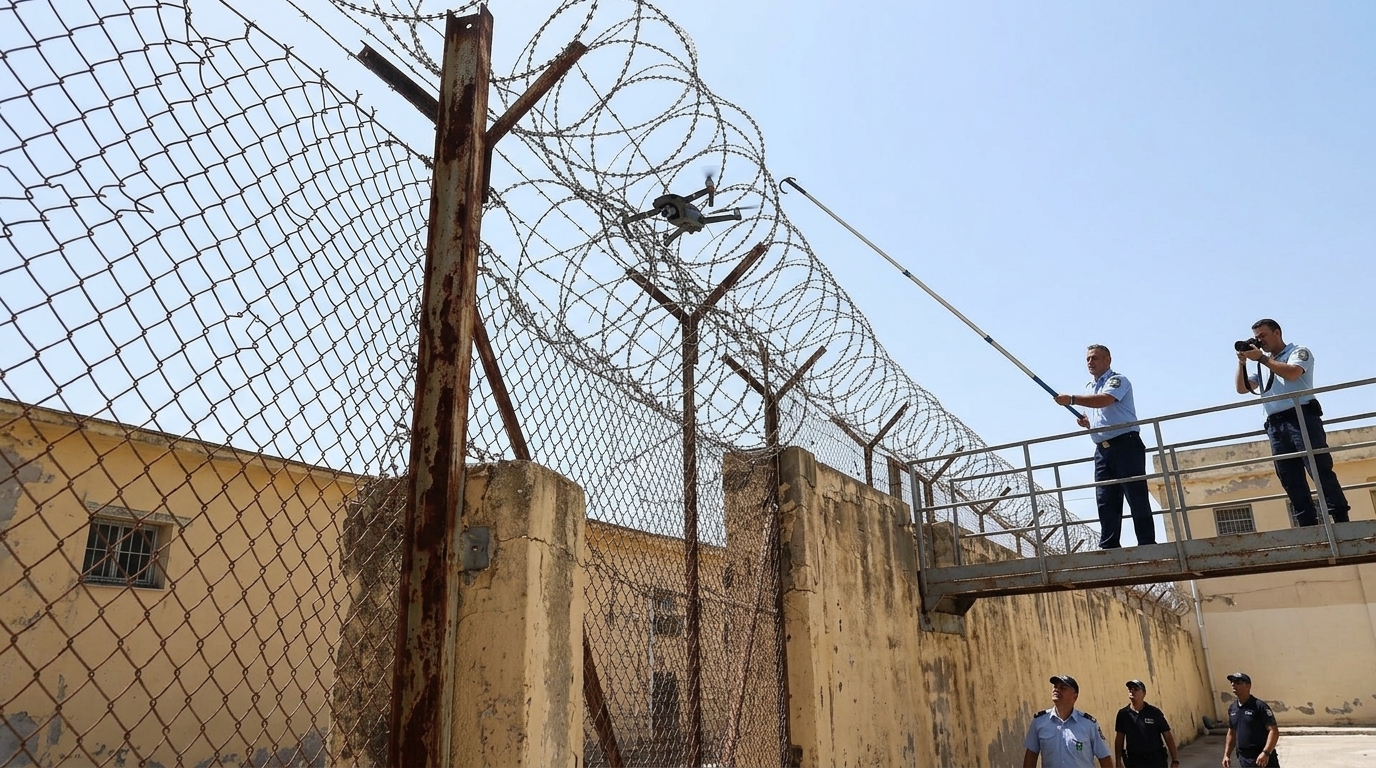
The fleet of 85 aerial assets represents Greece's heavy artillery. It includes classic Canadairs, versatile Air Tractors capable of operating from dirt airfields, and heavy Erickson-type helicopters. However, the real innovation for 2026 lies higher: in the more than 100 drone bases deployed at strategic points across the country.
These unmanned aircraft are not just cameras in the sky. They are equipped with thermal sensors and Artificial Intelligence (AI) software that can distinguish the difference between wildfire smoke and dust or fog. Once a hotspot is detected, the system automatically sends coordinates to the Operations Center, allowing for the immediate dispatch of assets before the fire is even noticed by residents.
- 24/7 Surveillance: Drones patrol high-risk zones such as Parnitha, Seich Sou, and Ancient Olympia.
- Data Analysis: AI predicts the fire's path based on wind and terrain topography.
- Connectivity: Real-time image transmission directly to the tablets of ground force commanders.
Prevention and the AEGIS Program
The government has invested billions of euros through the "AEGIS" program, which constitutes the largest upgrade of Civil Protection in the country's modern history. Beyond equipment, the weight has fallen on forest cleaning and the opening of fire breaks. In 2026, more than 100,000 acres of forest have been proactively cleaned, while tons of combustible material have been removed from peri-urban forests.
However, challenges remain. Rural abandonment means our forests are becoming increasingly dense and impenetrable. Climate change brings "dry storms" and prolonged heatwaves that test the endurance of materials and people. The success of this year's season will be judged not only by the number of assets but by the speed of information and the effectiveness of coordination between different agencies.
Conclusion
The 2026 wildfire season finds Greece more prepared than ever on a technological level. The integration of drones and Artificial Intelligence shifts the doctrine from passive waiting to active deterrence. Nevertheless, nature remains unpredictable, and the individual responsibility of citizens remains the most critical factor in protecting our natural wealth.