At the intersection of human dexterity and computational power, medical science has recorded one of its most significant triumphs. The separation of craniopagus twins—siblings joined at the skull—represents one of the most complex and perilous challenges in the world of neurosurgery. Recently, a grueling 40-hour operation successfully achieved this feat. However, the true protagonist behind the scalpels was Artificial Intelligence (AI), which allowed surgeons to 'see' the invisible and rehearse in a digital world before ever touching the children's tissues.
Digital Simulation as a Lifeline
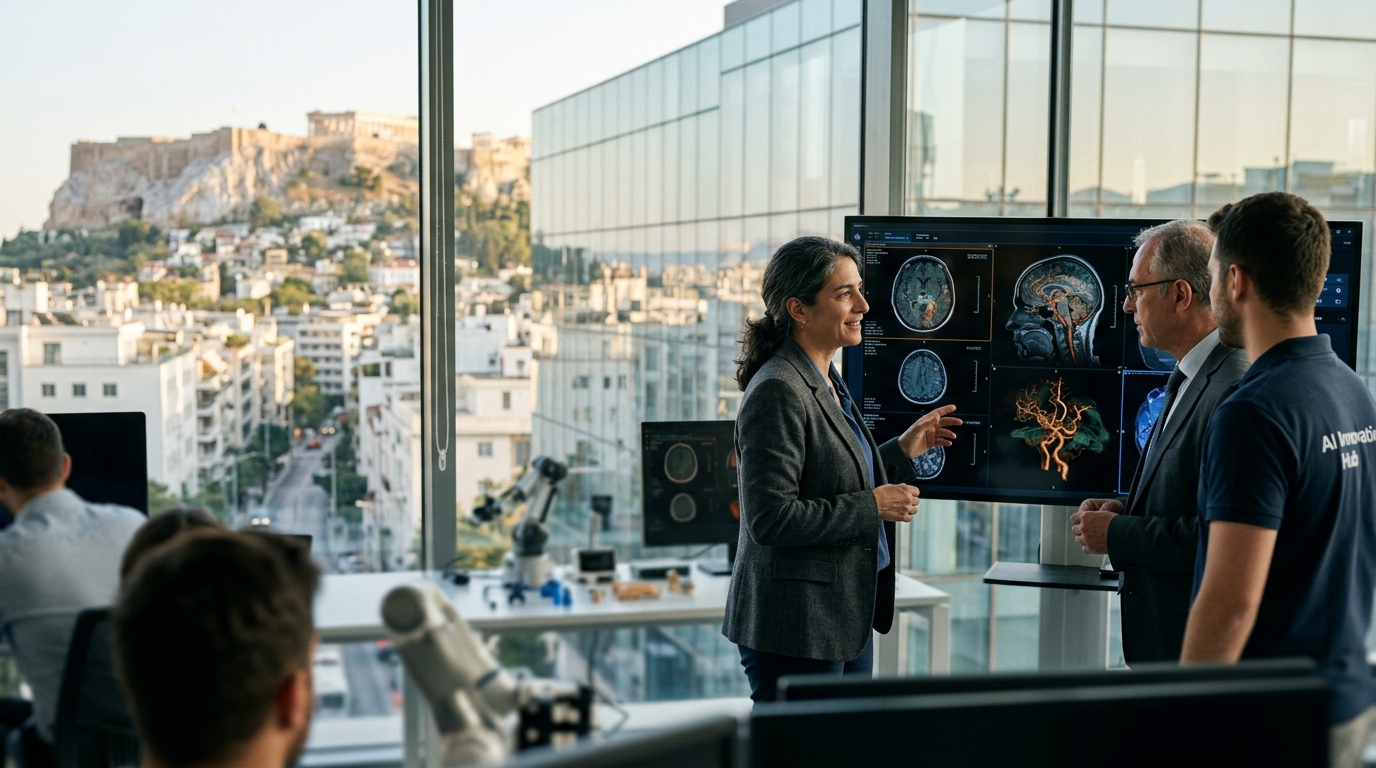
Craniopagus twins are a rare phenomenon, sharing not only bone structure but often critical blood vessels that supply the brain. Traditionally, the success rate of such operations was discouraging, with high risks of brain damage or mortality. The integration of AI has fundamentally shifted these odds. Through advanced machine learning algorithms, doctors managed to convert hundreds of static images from MRI and CT scans into a three-dimensional, dynamic 'digital twin' of the children's brains.
This AI model was not merely a visualization; it was a living simulation that allowed surgeons to predict how blood flow would react to every incision. "AI gave us the ability to map venous drainage with millimeter precision, something that in the past relied heavily on the surgeon's intuition and experience," noted a member of the medical team. The ability to test 'what-if' scenarios in a virtual environment dramatically reduced the margin for error during the actual procedure.
The Convergence of Virtual Reality and AI
During the 40-hour process, which was divided into stages, the use of Virtual Reality (VR) in conjunction with AI allowed doctors from different continents to collaborate in the same 'virtual operating room.' Wearing specialized headsets, surgeons from London and Brazil could exchange views and guide one another, viewing the same digital model that was updated in real-time by surgical data.
- Mapping neural pathways via AI to avoid motor skill impairment.
- Predicting hemodynamic changes during the separation of shared veins.
- Using VR for team rehearsal on critical incision points.
- Continuous monitoring of vital signs with algorithms warning of impending complications.
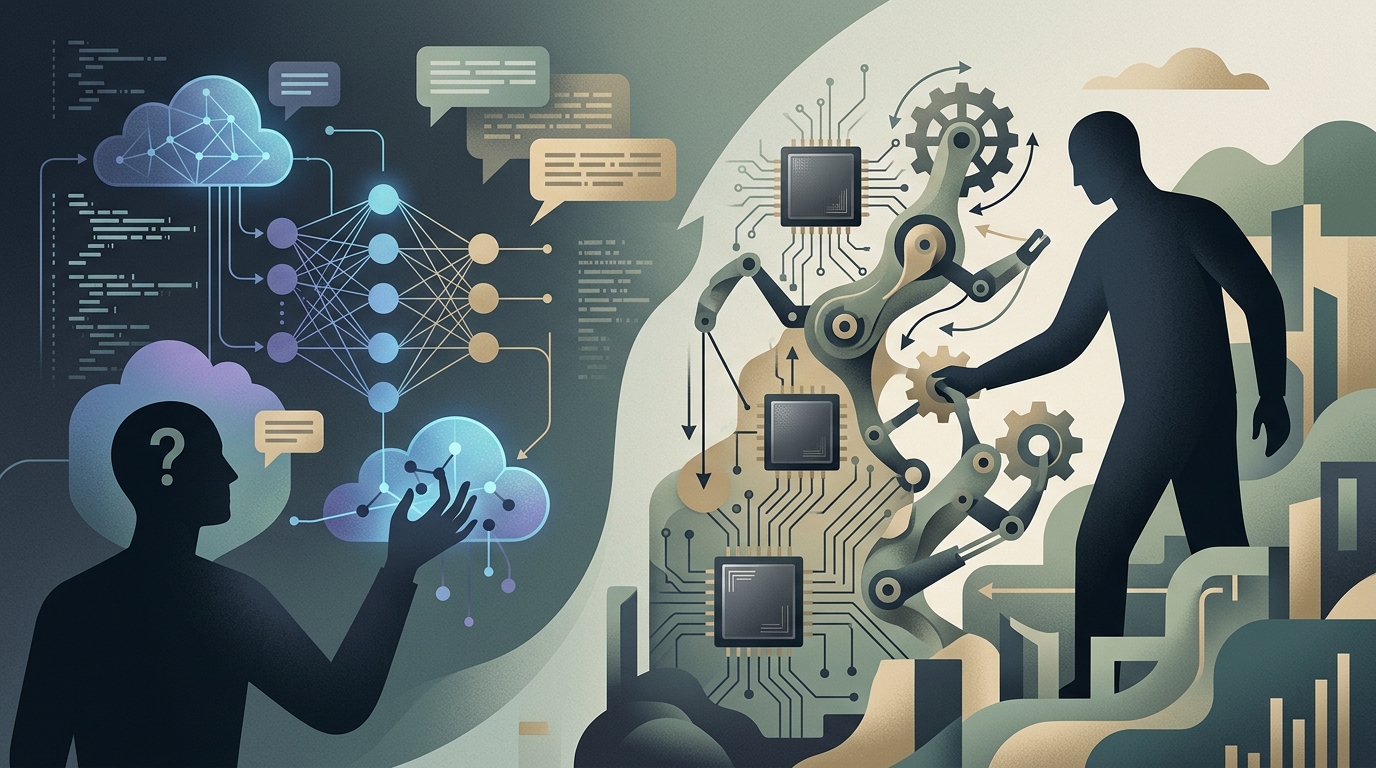
The operation was not just a test of technology but also of human endurance. Surgeons worked in shifts, but the AI remained 'awake,' constantly analyzing data streaming from monitoring equipment. This symbiotic relationship between human and machine represents the new standard for 21st-century surgery.
Ethical Questions and the Future of Surgery
Despite the excitement, this success brings significant questions regarding accessibility to the forefront. Such technologies are extremely costly and require highly specialized personnel, creating a gap between advanced Western medical centers and the developing world. Ethically, the question arises whether AI should have the final say in critical life-and-death decisions or if it will always remain a sophisticated assistant.
"This is not about replacing the surgeon, but about empowering them with capabilities that transcend our biological limitations," experts remark.
The future promises to be even more impressive. Autonomous robotic systems are already being developed that, guided by AI, will be able to perform the most delicate parts of a surgery with a level of stability no human hand can match. The separation of these twins is only the beginning of an era where the 'impossible' becomes routine through code and innovation.