In May 2026, Athens is no longer just a historic capital resting on the laurels of its ancient past. With the hosting of Panathēnea 2026, the city is transforming into a vibrant laboratory of innovation, attracting the elite of the global tech industry. From the slopes of Pnyx to the modern facilities at Ellinikon, the conversation is no longer dominated by debt or tourism, but by Artificial Intelligence, quantum computing, and the future of work.
From History to Innovation: A Redefined Identity
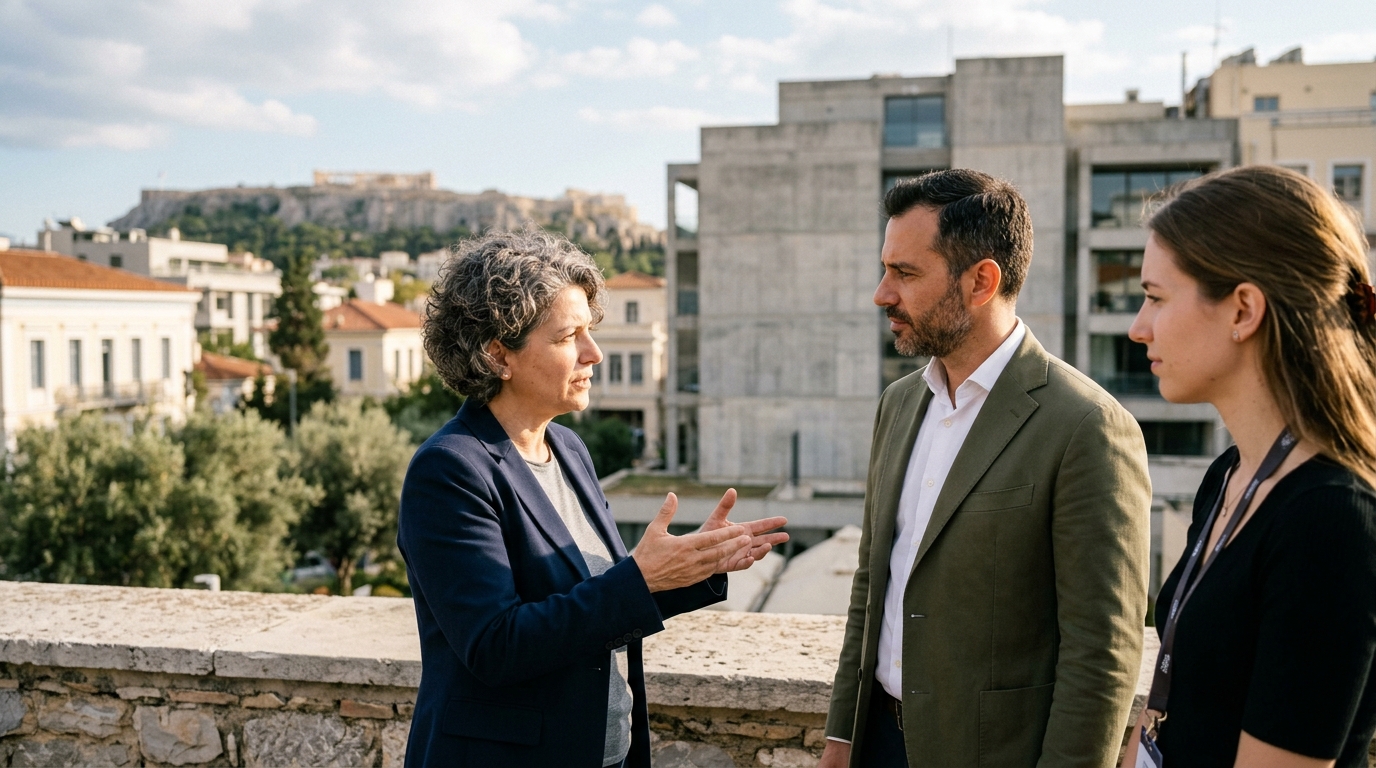
Panathēnea 2026 is not just another tech conference; it is Greece's concerted effort to position itself on the map of the 'knowledge economy.' The participation of executives from giants like OpenAI, Google, and NVIDIA, alongside legendary investors from Sequoia Capital, underscores a significant shift: Athens is now viewed as a strategic hub connecting Europe with the Middle East and Africa. Its geopolitical position, combined with improved digital infrastructure, makes it attractive for both 'digital nomadism' and high-tech investments.
According to the organizers, the goal was to create an environment where philosophical thought meets code. "We don't want another Silicon Valley," stated one of the keynote speakers. "We want a Silicon Agora, where the ethics of technology are debated exactly where democracy was born." This approach has attracted not only founders but also academics and creators seeking answers to the existential challenges posed by AI.
The AI Vanguard and the Greek Ecosystem
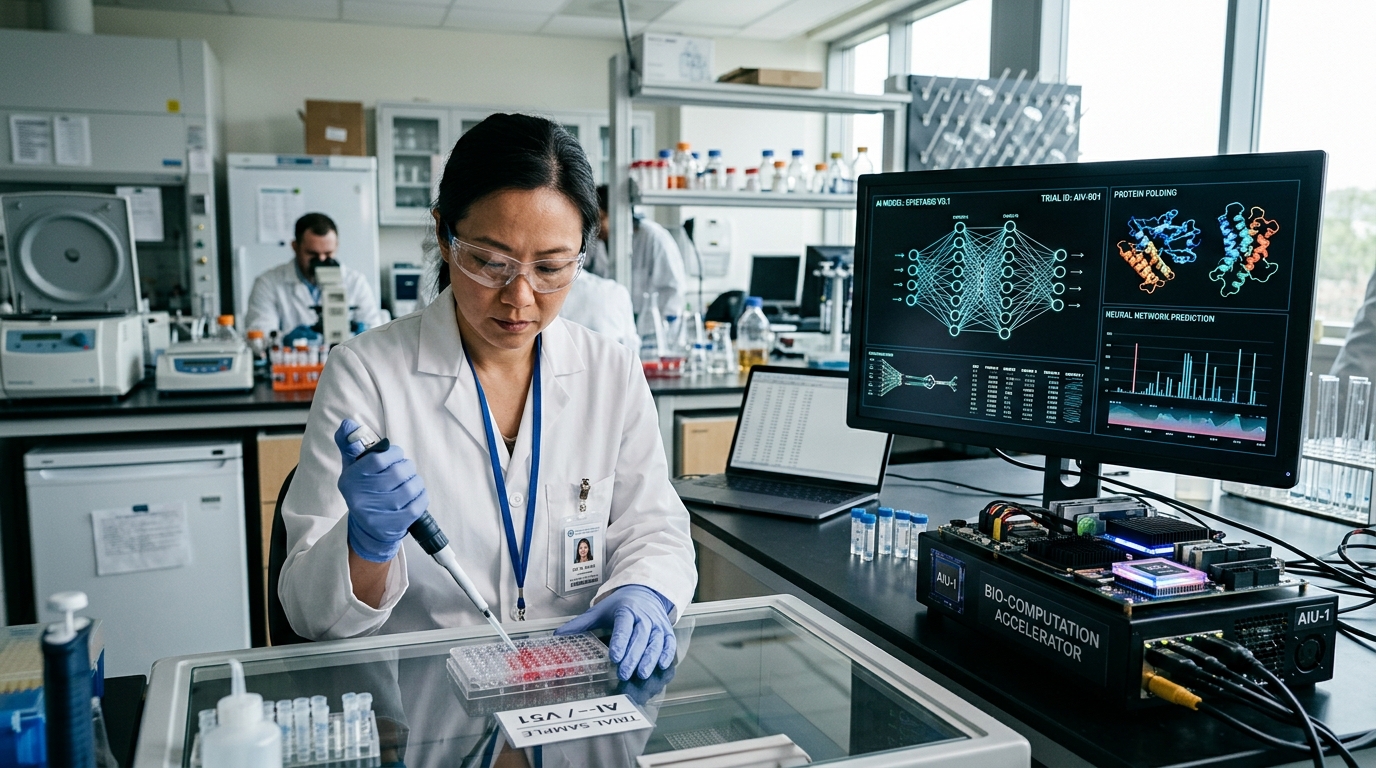
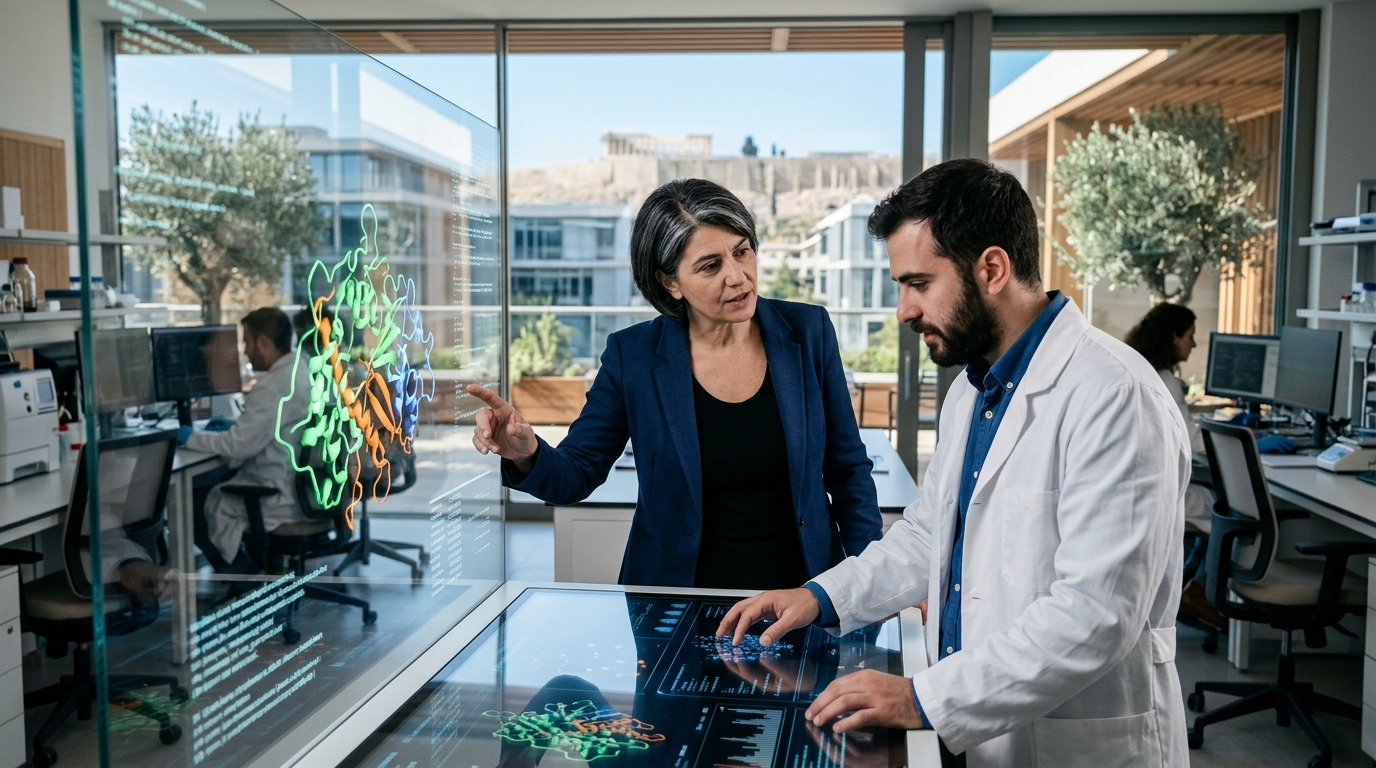
This year's event focused heavily on Artificial Intelligence. With the release of new GPT-5 models and competitive solutions from Europe, Panathēnea 2026 served as a testing ground for new applications. However, interest was not limited to foreign players. Greek startups had the opportunity to demonstrate that 'Brain Drain' is gradually turning into 'Brain Gain.' Many companies that started in Athens over the past few years are now competing globally, having secured millions in funding.
- Presentations of new AI models tailored for European languages.
- Partnership agreements between Greek universities and tech giants.
- Workshops on applying AI to shipping and tourism, the two pillars of the Greek economy.
Sam Altman's presence in Athens, where he spoke about the need for a "global constitution for AI," lent the event a sense of gravity and international weight. The choice of Athens for such pronouncements is not accidental, as the EU remains the global regulator of technological standards through the AI Act.
Challenges and the Future of the City
However, the glitz of Panathēnea cannot hide the underlying challenges. The rapid growth of the tech sector in Athens has put pressure on the real estate market and local infrastructure. The 'technological renaissance' risks creating a two-tier city: on one side, high-earning developers and digital nomads, and on the other, residents struggling to cope with the rising cost of living. Critics emphasize the need for more inclusive growth that prevents the center of Athens from becoming an impersonal tech hub.
"Technology must serve the city, not the city serve technology. Athens has a soul that must not be lost in the cloud," noted a local urban planner during a panel discussion.
Despite these concerns, Panathēnea 2026 leaves a positive legacy. The image of Greece as a country that produces innovation, rather than just consuming it, is now firmly established. The day after finds Athens with new partnerships, increased investment interest, and a new generation of scientists who see their future within the country's borders. The challenge for 2027 will be maintaining this momentum while ensuring that technological progress has a positive impact on society as a whole.